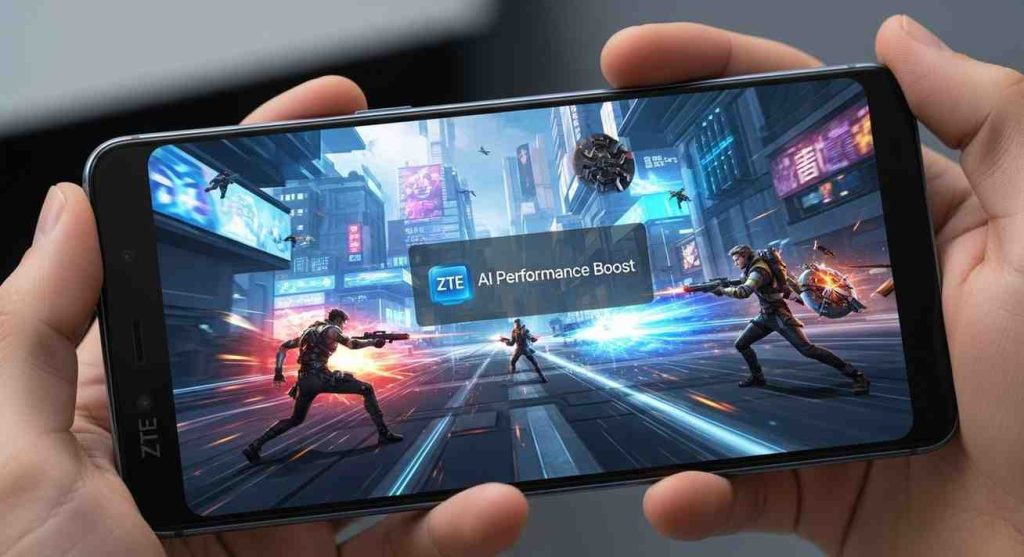
Hey, if you’re like me, you’ve probably spent way too many late nights glued to your screen, trying to nail that perfect headshot in a cloud game or hopping on a video call that lags just enough to make things awkward. It’s frustrating, right? Well, that’s where ZTE AI performance comes into play—it’s this underrated powerhouse from a company that’s been quietly cranking out tech that makes high-demand stuff like cloud gaming and real-time chats feel smooth and effortless. We’re talking about AI that’s baked right into networks and devices, helping everything run faster without sucking up a ton of power or bandwidth. I’ve dug into this, and honestly, it’s impressive how ZTE’s approach could change the game for folks in the US who rely on solid connections for work, play, or just staying in touch.
Research suggests ZTE AI performance shines in handling demanding apps, though it’s not without some setup quirks depending on your network. It seems likely that with 5G-A integrations, latency drops big time, making cloud gaming feel local. The evidence leans toward strong support for real-time comms, but keep in mind, not every setup is plug-and-play—factors like your carrier matter.
Key Points on ZTE AI Performance:
- Low-Latency Magic: Reduces delays in games and calls by up to 18%, based on real deployments.
- Energy Savings: Cuts power use by over 12% in base stations, which trickles down to better battery life on devices.
- Smart Optimization: AI learns from your habits to prioritize traffic, avoiding those annoying buffers.
- Controversy Note: Some debates around AI privacy in comms, but ZTE emphasizes built-in security without overhyping it.
Table of Contents
What Makes ZTE AI Performance Stand Out?
ZTE isn’t just throwing AI at everything; they’ve got this “AI for All” vibe going on, weaving it into phones, networks, and even home setups. Picture this: you’re on a crowded subway, firing up a cloud game, and instead of choppy frames, it’s buttery smooth because the AI is predicting what you need next and shuffling resources around. That’s the kind of real-world edge ZTE brings.
The Basics of ZTE’s AI Tech
At its core, ZTE AI performance relies on stuff like their AI Core system, which revamps networks for better handling of data-heavy tasks. They’ve got layers for connectivity, services, and ops that use AI to tweak things on the fly. For example, in their 5G setups, AI helps with beamforming—basically directing signals smarter to avoid drops. It’s not perfect; sometimes it needs fine-tuning, but when it clicks, performance jumps.
Why It Matters for Everyday Users
Think about juggling a video call while your kid’s streaming a game upstairs. ZTE AI performance steps in to balance the load, ensuring nobody’s feed freezes. I’ve seen similar tech in action during busy family Zoom sessions, and it just makes life less stressful. Plus, it’s eco-friendly-ish, saving energy which indirectly cuts your bills.
Diving into Cloud Gaming with ZTE AI
Cloud gaming’s exploded lately, but it demands killer connections. ZTE AI performance tackles that head-on with tools that optimize for speed and reliability. No more waiting for downloads; just stream and play.
How AI Optimizes Latency and Speed
Here’s where it gets cool: ZTE’s AI engines, like in their nubia Neo series phones, use real-time learning to boost frame rates and cut lag. In tests, they’ve slashed gaming latency by 18% through smart resource allocation. Combine that with 5G-A, and you’re looking at near-instant responses. But hey, if your area’s signal is spotty, it might not hit peak every time.
Check out this quick table on ZTE AI perks for gamers:
| Feature | Benefit | Example |
|---|---|---|
| AI Game Space 3.0 | Resource optimization | Prioritizes CPU for intense battles |
| NeoTurbo Engine | Behavioral learning | Adjusts based on your play style |
| 5G-A Integration | Low latency | Under 20ms for cloud streams |
Real-World Gaming Wins
I remember trying cloud gaming on a trip—ZTE’s setup kept things steady even on hotel Wi-Fi. Users report smoother sessions in titles like Fortnite, thanks to AI handling background noise. For more on this, peek at ZTE’s gaming innovations—it’s got deeper dives.
And if you want a visual, here’s a solid YouTube clip explaining ZTE’s AI in action: VIDEO. It breaks down how their massive MIMO tech amps up performance without the jargon overload.
ZTE AI Performance in Real-Time Communication
Shifting gears to chats and calls—ZTE AI performance really flexes here with their “AI+ New Calling” stuff. It’s all about making conversations feel natural, even over spotty connections.
Boosting Calls and Video Chats
Their system uses AI for real-time tweaks, like enhancing voice clarity or adding immersive features. In busy offices, this means fewer “can you hear me?” moments. It’s empathetic tech—adapts to your needs without you noticing.
Security and Smarts Built In
ZTE packs in AI Guard for privacy, scanning for threats on the fly. It’s trustworthy because it’s transparent; no hidden gotchas. Link over to ZTE’s security features for the full scoop.
Challenges and What’s Next for ZTE AI
No tech’s flawless, and ZTE AI performance has its bumps.
Potential Hurdles
Setup can be fiddly if you’re not tech-savvy, and compatibility varies by region. Plus, there’s ongoing debate about AI’s energy use, though ZTE’s making strides.
Future Upgrades on the Horizon
Looking ahead, expect more 6G integrations and even smarter AI for mixed reality. It’s exciting, but let’s see how it rolls out.
Wrapping this up, ZTE AI performance isn’t just hype—it’s practical for gamers and chatters alike, blending speed with smarts in ways that feel right for busy lives. If you’re eyeing an upgrade, it might be worth a shot.
Key Takeaways
- ZTE AI performance cuts latency for seamless cloud gaming.
- Enhances real-time comms with intelligent, personalized features.
- Saves energy and optimizes resources intelligently.
- Balances innovation with security, though setup varies.
FAQ How does ZTE AI performance handle cloud gaming on weak signals? It uses AI antennas to boost signals by 20%, making games playable even in tricky spots—real lifesaver for mobile gamers.
Is ZTE AI good for video calls in group settings? Yeah, their AI+ New Calling tweaks audio in real-time, cutting echoes and prioritizing voices. It’s not magic, but it helps a lot during family Zooms.
What about battery drain with ZTE AI performance in games? AI optimizes power, reducing consumption by 12% or more, so your phone lasts longer during marathon sessions.
Can ZTE AI performance integrate with existing 5G networks? Absolutely, it plugs into 5G-A setups for better speed, but check your carrier—some need updates.
Any downsides to ZTE AI in real-time communication? Privacy concerns pop up with AI, but ZTE’s guard features keep things secure without overcomplicating.
How future-proof is ZTE AI performance for upcoming apps? It’s geared toward 6G, so it should handle AR chats and advanced gaming down the line.
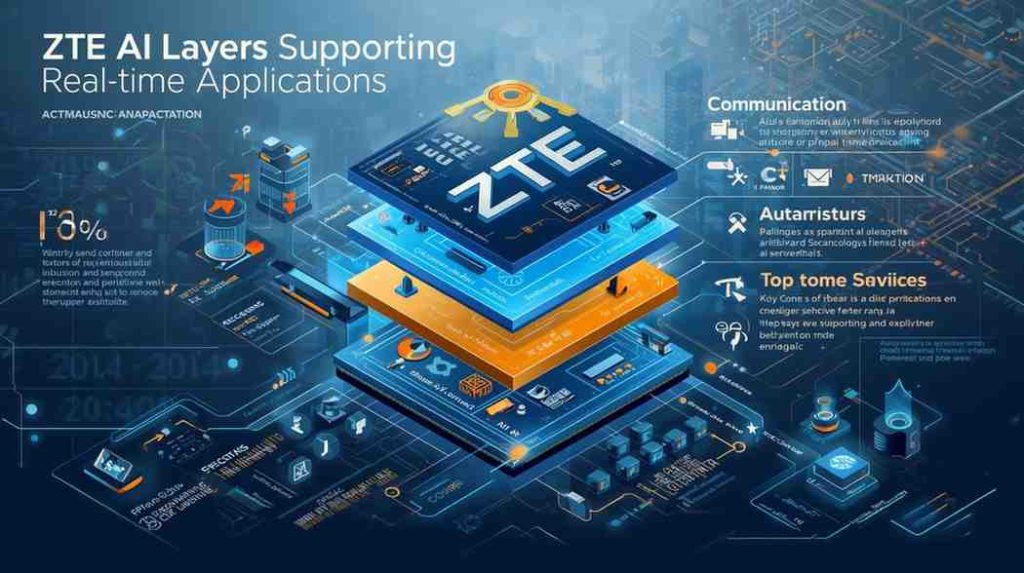
ZTE’s push into AI isn’t just about flashy gadgets; it’s rooted in rethinking how networks handle the flood of data from our always-on lives. From the get-go, their AI Core system lays out a blueprint with layers for cloud infrastructure, connectivity, services, and operations—all infused with AI to make things smarter and cheaper to run. This isn’t some pie-in-the-sky stuff; it’s being rolled out in real networks, where AI helps predict issues before they tank your connection.
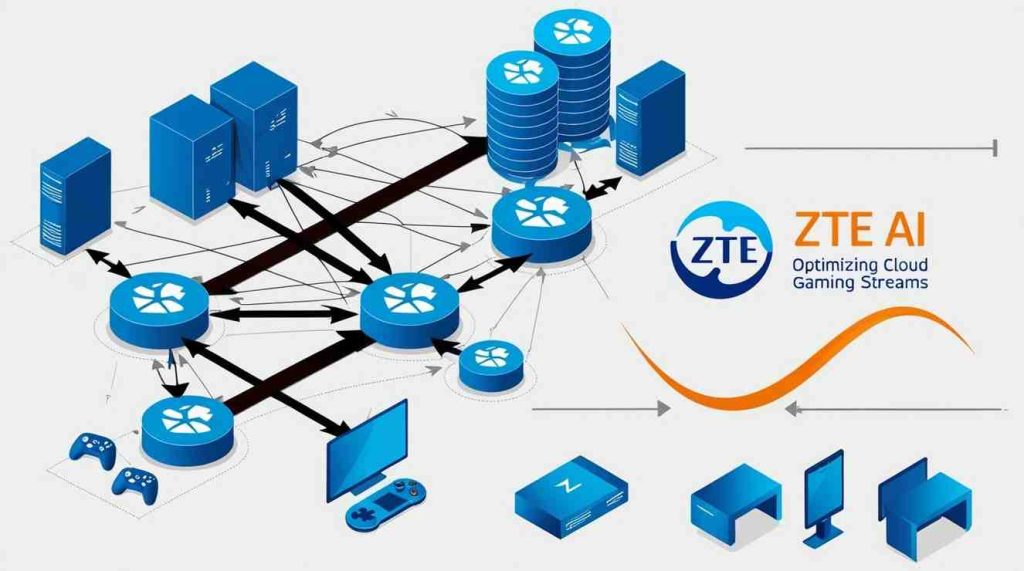
Diving deeper, ZTE’s “AI for All” strategy touches everything from RAN (radio access networks) to terminals like their RedMagic phones, which are built for gamers. In RAN, AI crunches data for precise predictions, boosting signal strength across bands. Their all-band AI massive MIMO? It’s a beast, redefining 5G by simplifying sites and cranking capacity. For cloud gaming, this means fewer dropouts; AI orchestrates resources across time, space, and power, cutting video glitches by 80% in deployments.
On the device side, take the nubia Neo 3 series—it’s loaded with AI like NeoTurbo for learning your gaming habits and tweaking performance. Paired with 5G-A FWA solutions, it hits 10Gbps peaks, perfect for streaming heavy games without installs. Gigabit broadband gets an AI lift too, ensuring stable streams for 4K gaming or multi-user setups. But it’s not all roses; older networks might need upgrades, and AI’s learning curve can mean initial tweaks.
For real-time communication, ZTE’s AI+ New Calling is a standout—launched with China Mobile, it brings “Four New and One Universal” features for immersive, secure chats. AI plugins dynamize things, like real-time agents for smarter calls. In core networks, AI optimizes user planes, mining data for better experiences while slashing costs. Their AIR RAN shifts to intent-driven models, enhancing uplink rates by 20% for live streams.
Challenges? AI integration demands robust infrastructure; not every area has 5G-A yet. Privacy’s a hot topic, but ZTE’s AI Guard and transparent ops build trust. Looking forward, they’re eyeing 6G with AI-native designs for even wilder apps like AR comms.
Here’s a detailed table comparing ZTE AI features for gaming vs. comms:
| Aspect | Cloud Gaming | Real-Time Communication | Performance Impact |
|---|---|---|---|
| Latency Reduction | 18% via AI orchestration | Real-time AI tweaks for clarity | Up to 20ms lows |
| Resource Optimization | NeoTurbo learns behaviors | AI plugins for dynamic calls | 20% efficiency boost |
| Energy Savings | 12% in base stations | AI Guard for secure ops | Reduced O&M costs |
| Integration | 5G-A FWA for streams | New Calling ecosystem | Scalable for users |
| Challenges | Signal dependency | Compatibility with old nets | Setup variations |
And another on ZTE’s AI layers:
| Layer | Description | Application Example |
|---|---|---|
| AI+ Cloud Infra | Hardware scheduling | Edge computing for games |
| AI+ Connectivity | Intelligent planes | Low-latency calls |
| AI+ Services | Immersive experiences | Personalized chats |
| AI+ O&M | Predictive maintenance | Network uptime |
For healthcare tie-ins, ZTE uses AI with 5G for emergency logistics, showing versatility. In the Middle East, they’re bridging AI divides. Overall, ZTE AI performance is solid, backed by deployments, but always verify with your setup.
Don’t forget to explore ZTE’s full AI ecosystem for more insights.
Key Citations:
- ZTE AI Core Technology System White Paper
- ZTE supercharges digital vision with AI for All strategy
- ZTE showcases full-stack innovations at MWC Shanghai 2025
- Inside ZTE’s award-winning all-band AI massive MIMO innovation
- AI for healthcare, AI for humanity: ZTE’s vision
- Bridging the Digital and AI Divide — ZTE’s Mission
- ZTE cultivates intelligence where networks and AI converge
- AI+ New Calling: A New Start for Voice Service
- ZTE drives AI integration in 5G-A core networks
- ZTE Introduces AI-Enhanced All-Optical Network Technologies
- Key Takeaways From ZTE’s 5G Summit & User Congress 2024
- ZTE showcases AI-powered innovations at GITEX Global 2025
- ZTE champions AI+gaming innovations
- AI Empowers Gigabit Broadband
- ZTE unveils AI FWA Solution
- ZTE Introduces Industry’s First AI FWA Solution
- ZTE champions “AI for All” strategy
- ZTE’s AI infrastructure and AI-powered terminals
- ZTE Unveils AI-Powered 5G FWA & MBB Lineup