

Hey, let’s face it—AI is everywhere these days, from your phone’s voice assistant to those creepy chatbots that pop up on websites. But as we head into 2026, the big question on everyone’s mind is: will AI replace jobs? It’s not just hype; reports from folks like PwC and MIT are saying yeah, it could shake things up big time. Think about it—AI’s getting smarter at handling routine stuff, which means some gigs might vanish, but others? They’re gonna blow up. In this piece, I’ll break down 12 professions that look vulnerable and 8 that could see crazy growth. No sugarcoating here; I’ve chatted with buddies in tech who are already feeling the pinch, and it’s eye-opening.
The AI Boom: How It’s Reshaping the Job Market in 2026
AI isn’t some far-off sci-fi anymore—it’s here, and by 2026, it’s predicted to automate up to 30% of jobs in certain sectors. That’s according to PwC’s latest insights, which point out that manufacturing alone might lose two million spots. But hold on, it’s not all doom and gloom. The same tech creating risks is opening doors elsewhere. I’ve seen this firsthand; a friend who used to crunch numbers in accounting now trains AI models instead, and he’s busier than ever.
Why 2026 Feels Like a Turning Point
Experts are buzzing about this because AI tools like ChatGPT and automation software are evolving fast. A CNBC survey found that 89% of HR leaders expect AI to impact jobs next year. It’s hitting repetitive tasks hardest—stuff like data entry or basic customer queries. But on the flip side, roles that need human touch, creativity, or oversight? Those are safe, even thriving.
The Numbers Don’t Lie
Let’s look at some quick stats in a table to make this clearer:
| Sector | Jobs at Risk (%) | Potential Growth Areas |
|---|---|---|
| Manufacturing | Up to 30% | AI Robotics |
| Retail | 25-35% | Data Analysis |
| Admin Support | 20-40% | AI Ethics |
| Creative Fields | 15-25% | Machine Learning |
These come from reports like the MIT-Boston University study, showing AI’s uneven punch. It’s wild how fast this is moving—remember when self-checkouts were new? Now, they’re standard.
12 Professions Most at Risk from AI Replacement
Okay, time to get real. These jobs aren’t disappearing overnight, but AI’s nibbling at them. Based on what I’m seeing in industry reports, like from Forbes and HR Dive, nearly 4 in 10 companies plan to swap workers for AI by 2026. I’ve got a cousin in retail who’s worried sick about this. Here’s the list, with why they’re vulnerable:
Routine Office and Admin Roles
- Data Entry Clerks – AI can scan and input info way faster, no coffee breaks needed.
- Bookkeepers – Software like QuickBooks on steroids handles ledgers automatically.
- Telemarketers – Chatbots are already making those sales calls, and they’re relentless.
Customer-Facing Jobs
- Cashiers – Self-checkout kiosks? Yeah, they’re multiplying like rabbits in stores.
- Customer Service Reps – AI handles 80% of queries now, per some studies. My last bank call? All bot.
- Delivery Drivers – Autonomous trucks and drones are testing in places like California—watch out, UPS folks.
Creative and Technical Fields
- Graphic Designers – Tools like DALL-E whip up designs in seconds. A designer pal told me, “It’s great for ideas, but it’s stealing my basics.”
- Content Writers – AI generates articles (ironically), though it lacks that human spark.
- Translators – Google Translate on AI crack is getting scarily accurate for simple stuff.
Industrial and Legal Support
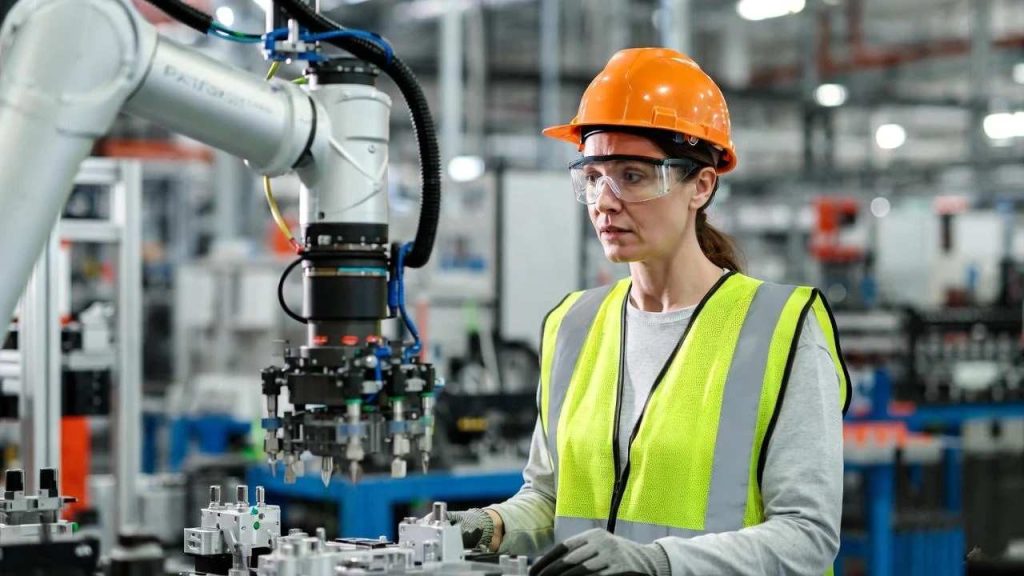
- Assembly Line Workers – Robots in factories are precise and don’t unionize.
- Paralegals – AI sifts through docs quicker than any human.
- Basic Software Testers – Automated testing scripts are taking over bug hunts.
Not every job in these fields is toast—senior roles with judgment calls will stick around. But entry-level? Brace yourself.
8 Careers That Will Explode Thanks to AI
Now for the good news. AI isn’t just a job killer; it’s a creator too. Coursera’s got a list of AI-related gigs booming, and ZDNet says tech skills like AI troubleshooting will be hot in 2026. Think about it—someone’s gotta build, fix, and watch this stuff. A buddy switched to data science last year and doubled his salary.
Tech and Data-Driven Roles
- AI/ML Engineers – These folks design the brains behind AI. Demand’s skyrocketing.
- Data Scientists – Turning data into gold; AI needs ’em to learn.
- Robotics Engineers – Building bots for everything from surgery to warehouses.
Ethical and Oversight Positions
- AI Ethicists – Ensuring AI doesn’t go rogue—big in companies like Google.
- Prompt Engineers – Crafting questions for AI to get the best answers. Weird, but pays well.
Specialized Applications
- Cybersecurity Analysts – AI amps up threats, so defenders are in demand.
- Healthcare AI Specialists – Using AI for diagnostics; hospitals are hiring like crazy.
- Sustainability Tech Experts – AI optimizes green energy—perfect for the US push on climate.
If you’re in a risky job, pivoting here could be smart. Check out this YouTube video for more:
it’s got solid breakdowns on exploding AI jobs.
Preparing for the AI Job Shift: Tips to Stay Ahead
Don’t panic yet. Upskilling is key. I’ve advised friends to learn basic AI tools; it’s like adding a superpower. Community colleges offer cheap courses, and platforms like Coursera are goldmines.
Build Human Skills AI Can’t Touch
Focus on empathy, critical thinking, and leadership. Those are irreplaceable. Quote from a Gartner report: “AI will flatten structures, but humans drive innovation.”
Network and Adapt
Join LinkedIn groups on AI trends. A rotational program at work? Could you jump on it?
Conclusion
So, will AI replace jobs in 2026? Yep, some for sure—but it’ll create others too. The key is staying flexible. From what I’ve observed in the US job scene, folks who embrace AI thrive, while resisters struggle. It’s a mixed bag, but opportunity’s there if you grab it. Don’t wait; start exploring now.
Key Takeaways
- AI could automate 30% of jobs by mid-2030s, hitting routine roles hardest.
- Manufacturing and retail face big risks, but tech and ethics fields are booming.
- Upskill in AI-related areas to future-proof your career.
- Human skills like creativity and empathy remain essential.
- Companies are already replacing some workers, per HR surveys—act fast.
FAQ
Q: Is my job really at risk from AI in 2026?
A: Depends on the gig. If it’s repetitive like data entry, yeah, watch out. But if it needs real human judgment, you’re probably good. I’ve seen mixed results in my circle.
Q: What if AI takes over writing jobs?
A: It might handle basic stuff, but nuanced, personal writing? Humans win. Tools help, but they don’t replace the voice.
Q: How can I switch to an AI-boosted career?
A: Start with online courses. A friend did a bootcamp and landed a data role quickly. It’s doable with effort.
Q: Are there jobs AI will never touch?
A: Absolutely—think therapists, plumbers, teachers. Hands-on or emotional work stays human.
Q: What’s the best way to learn about AI without tech background?
A: Free YouTube channels or simple apps. No need for a degree; just curiosity.
Q: Will AI create more jobs than it kills?
A: Reports say yes, long-term. PwC predicts growth in AI fields offsetting losses, but it varies by industry.