
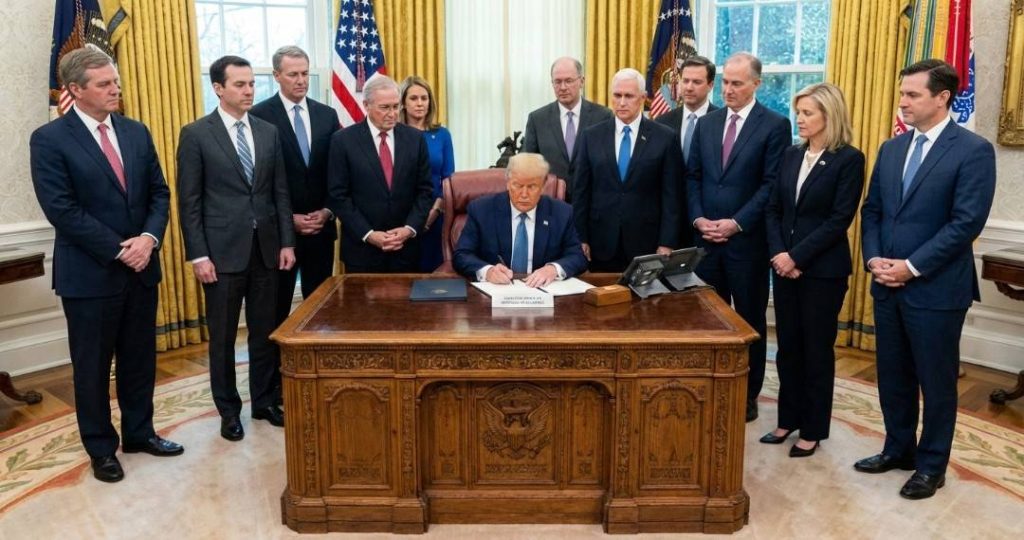
Trump’s new AI policy, rolled out via an executive order in mid-December 2025, basically says the feds should call the shots on AI rules nationwide, shoving aside what states have been doing. It’s pitched as a way to keep America ahead in the AI game, but there’s a ton of pushback saying it guts local protections that keep everyday folks safe from AI gone wrong. Research suggests this could spark faster tech growth and jobs, but it might also leave gaps in safeguards against things like biased hiring tools or creepy deepfakes—it seems likely that we’ll see more innovation, yet at the risk of more headaches for consumers. The evidence leans toward a mixed bag, with tech giants cheering while states and watchdogs warn of overreach.
Key Points:
- Boost to Innovation: Aims to cut red tape so AI companies can move fast, potentially creating jobs in tech hubs and making AI tools cheaper and better for things like healthcare apps or smart home gadgets.
- Federal Takeover: Overrides state laws seen as “burdensome,” like those fighting AI bias or deepfakes, which could mean less local control but a smoother national playing field.
- Potential Downsides: Critics argue it risks privacy invasions, job losses from unchecked automation, and no real federal replacements for state safety nets—controversy swirls around whether this prioritizes big business over people.
- Economic Angle: Could help the U.S. compete with China, leading to broader wins like stronger economy, but everyday risks like discriminatory AI in loans or hiring remain debated.
What Exactly Is Trump’s New AI Policy?
Signed on December 11, 2025, the executive order titled “Ensuring a National Policy Framework for Artificial Intelligence” sets up a single, light-touch federal rulebook for AI. It revokes nothing directly but builds on earlier 2025 moves, like one in January that axed Biden-era barriers and a July order banning “woke” biases in government AI. The big idea? Stop states from creating a messy patchwork of rules that slow down U.S. companies racing against global rivals.
Think about it like this: If you’re a small AI startup in Texas, dealing with California’s strict bias checks or New York’s deepfake bans could eat up your time and cash. Trump’s policy wants to scrap that chaos, arguing it hurts American edge. But is that fair? Some say yes, pointing to how fragmented rules could let China zoom ahead.
How It Affects Jobs and the Economy
On the plus side, easing regs might supercharge AI growth. We’ve seen trillions poured into data centers and chips already this year—imagine more jobs in building those, or in sectors like farming where AI predicts weather better. A relatable example: My neighbor’s a truck driver worried about self-driving rigs, but if U.S. firms lead, maybe retraining programs tied to this policy keep folks employed.
Yet, the flip side stings. Without state checks, AI could automate jobs faster without bias fixes, hitting blue-collar workers hard. And everyday costs? If AI streamlines supply chains, prices drop; but if it enables more scams or faulty medical diagnoses, we all pay.
Privacy and Safety Concerns
This is where things get dicey. States have passed over 1,000 AI bills in recent years, many tackling real harms like AI-generated revenge porn or algorithms that discriminate in job apps. Trump’s order creates a DOJ task force to sue states over “onerous” laws and withholds federal funds like broadband grants if they don’t back off.
Pros: Uniform rules might mean clearer privacy standards nationwide, avoiding confusion. Cons: Without strong federal alternatives, regular Americans could face more risks—think AI spying on your data without consent or biased credit scores. It’s empathetic to both sides: Tech needs room to breathe, but people deserve protection from AI oversteps.
President Trump’s latest move on AI is stirring up a storm, and honestly, it’s one of those policies where the devil’s in the details. Signed just days ago on December 11, 2025, this executive order—officially “Ensuring a National Policy Framework for Artificial Intelligence”—is all about wrestling control from the states and putting the federal government in the driver’s seat for AI rules. But is it a slam dunk for everyday folks like you and me, or does it leave us exposed? Let’s break it down, warts and all, drawing from what’s out there in reports, expert takes, and even some pushback from places like California.
First off, why now? Trump’s been on this AI kick since early 2025. Back in January, he dropped an order called “Removing Barriers to American Leadership in Artificial Intelligence,” which basically trashed old Biden regs seen as too heavy-handed. Then in July, another one banned federal agencies from using AI baked with “ideological biases” or social agendas. This new one builds on that, aiming for a “minimally burdensome” national setup to keep the U.S. dominating AI globally. The White House fact sheet paints it as a win for innovation, jobs, and beating out China, with trillions in investments already flowing in.
The Core of Trump’s New AI Policy: What It Does
At its heart, the policy declares that scattered state laws are killing U.S. mojo in AI. Over 1,000 state bills popped up lately, from banning AI stalking bots to watermarking deepfakes. Trump’s order says enough—let’s have one federal framework instead of 50 clashing ones. Here’s how it shakes out:
Key Provisions in Action
- AI Litigation Task Force: The Attorney General gets 30 days to set up a DOJ squad whose whole job is suing states over laws that clash with federal goals. Think unconstitutional overreach or messing with interstate commerce.
- State Law Evaluations: Commerce Secretary has 90 days to list out “onerous” state rules, like Colorado’s anti-bias law that might force AI to fudge facts for equality’s sake.
- Funding Hammer: States with bad laws? No more federal broadband cash from the BEAD program, and other grants could get conditional too.
- FCC and FTC Roles: FCC looks at a national reporting standard for AI models, preempting states. FTC issues guidance on how state mandates for “deceptive” AI (like forced DEI tweaks) violate federal trade laws.
- Legislation Push: Advisors prep a bill for Congress to lock in a uniform federal policy, but it won’t touch stuff like child safety or state AI buys.
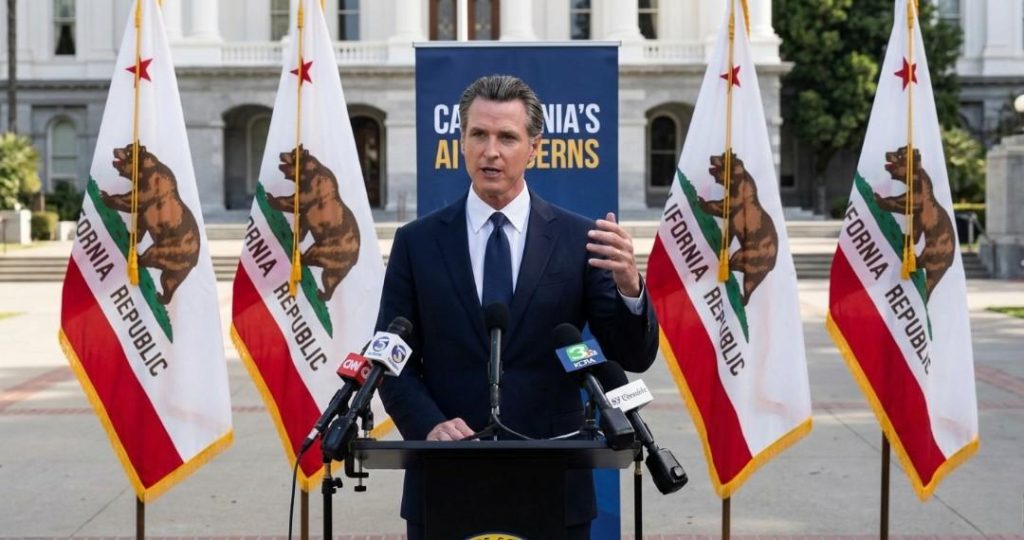
It’s not all bulldozer— the order carves out exceptions for protecting kids from deepfakes or state gov AI use. Still, it’s a bold grab, and critics like California’s Gov. Gavin Newsom are firing back hard, calling it a “corrupt” giveaway to tech cronies that strips public safeguards. Newsom points out California’s leading the pack with AI innovation—home to giants like Nvidia and Google—while keeping commonsense rules in place.

Is Trump’s New AI Policy Good for Jobs and the Wallet?
Look, I’ve seen how tech booms can lift folks up—my cousin in Ohio got a gig building data centers after AI investments spiked. The policy bets on that: By ditching state hurdles, it could unleash more trillions in spending, creating jobs in everything from chip-making to app development. Trump ties it to broader wins, like the “Genesis Mission” for AI supercomputers or $500B partnerships with firms like OpenAI. For regular Americans, that might mean cheaper AI-powered stuff, like better traffic apps cutting commute times or affordable health tools spotting issues early.
But hold up—it’s not all rosy. Unchecked AI could automate away jobs faster, especially in retail or driving, without state bias checks to ensure fair play. And economically? If companies save on compliance, sure, prices might dip. Yet, if AI leads to more scams or faulty products without local oversight, your wallet takes the hit through lawsuits or fixes. As one expert put it, “This could turbocharge growth, but at what cost to workers?”
A Quick Table on Job Impacts
| Sector | Potential Pros | Potential Cons |
|---|---|---|
| Tech & Manufacturing | More data centers, chip plants = thousands of jobs | Automation speeds up, displacing low-skill roles |
| Healthcare | AI diagnostics get faster, cheaper care | Biased algorithms could worsen inequalities without checks |
| Retail/Transport | Efficient supply chains lower prices | Self-driving tech phases out drivers quicker |
| Everyday Services | Smarter apps save time/money | Privacy breaches lead to identity theft costs |
Privacy, Safety, and the Dark Side for Everyday Folks
Here’s where I get a bit uneasy. States have been the frontline against AI messes—think laws banning deepfake porn or AI discrimination in loans. Trump’s policy could wipe those out, arguing they slow innovation. Pros: A national standard might fix inconsistencies, making it easier for you to know your rights no matter where you live. Plus, focusing on “truth-seeking” AI without biases sounds good on paper.
Cons, though? Huge. Without state guards, we’re talking risks like AI-fueled misinformation in elections or biased hiring tools that screw over minorities. Consumer groups are yelling that it’s illegal overreach—only Congress can preempt states like this. And for families? Less protection from kid-targeting AI or elder scams. It’s like handing the keys to Big Tech without seatbelts.
Want a deeper dive? Check out this YouTube breakdown from CNBC on how the order works:
It’s straightforward and shows Trump signing it.
Also, for more on AI basics and how it ties in, see our related piece: Understanding AI in Everyday Life.
Broader Implications: Winning Globally, Losing Locally?
Trump’s framing it as a must-win against China—U.S. dominance means security and prosperity for all. Relatable? Yeah, if AI leads to breakthroughs in energy or defense, we all benefit. But locally, states like New York or Illinois lose power to tailor rules to their needs. Bipartisan AGs are gearing up for court fights, saying this erodes democracy.
Quotes from the fray: Trump said, “To win, United States AI companies must be free to innovate without cumbersome regulation.” Newsom shot back, “Trump isn’t making policy – he’s running a con.” It’s raw, and it feels like the policy favors insiders over the little guy.
Reactions Roundup in a List
- Tech Leaders: Thrilled—less compliance means more speed.
- States: Furious, especially blue ones; 38 states passed AI laws in 2025 alone.
- Consumers: Mixed; groups like Issue One warn of “vacuum of accountability.”
- Experts: Some see it as bold, others illegal.
Wrapping It Up: A Risky Bet
All said, Trump’s new AI policy is a high-stakes play for speed over caution. It could propel America forward, but without filling protection gaps, it might bite regular folks. Time will tell if courts uphold it or if Congress steps in.
Key Takeaways
- Federal override of state AI laws to boost innovation and U.S. leadership.
- Risks include weaker safeguards against bias, privacy issues, and job disruptions.
- Benefits: Potential for economic growth, more jobs in AI sectors, and global edge.
- Controversy centers on overreach and lack of federal alternatives to state protections.
- Watch for lawsuits and possible legislation to clarify the mess.
FAQ
What’s the main goal of Trump’s new AI policy?
It’s to create one light federal rule set for AI, ditching state variations to help U.S. companies innovate faster and stay ahead of China.
Will this make AI safer for me and my family?
Not necessarily— it might weaken state rules on things like deepfakes or kid safety, though it promises federal standards eventually. Critics say it’s riskier without backups.
How could this affect my job?
It might create more tech jobs but speed up automation in others, like driving or customer service, without bias checks that states had.
Is this policy legal?
Debated—dems and consumer groups say no, it’s executive overreach; courts will likely decide.
What if my state has strong AI laws?
The feds could sue or cut funding, forcing states to back down or fight in court.
Does this help or hurt small businesses?
Helps by cutting compliance costs from multiple state rules, but big tech might dominate more without local checks.
Key Citations:
- Ensuring a National Policy Framework for Artificial Intelligence
- Fact Sheet: President Donald J. Trump Ensures a National Policy Framework for Artificial Intelligence
- Trump Signs Executive Order to Neuter State A.I. Laws
- Trump signs executive order blocking states from enforcing their own regulations around AI
- Trump’s AI executive order advances corruption, not innovation
- What’s at stake in Trump’s executive order aiming to curb state-level AI regulation
- President Trump’s AI National Policy Executive Order Is an Unambiguous Threat to States Beyond Just AI
- AI order by Trump might be illegal: Democrats, consumer groups