
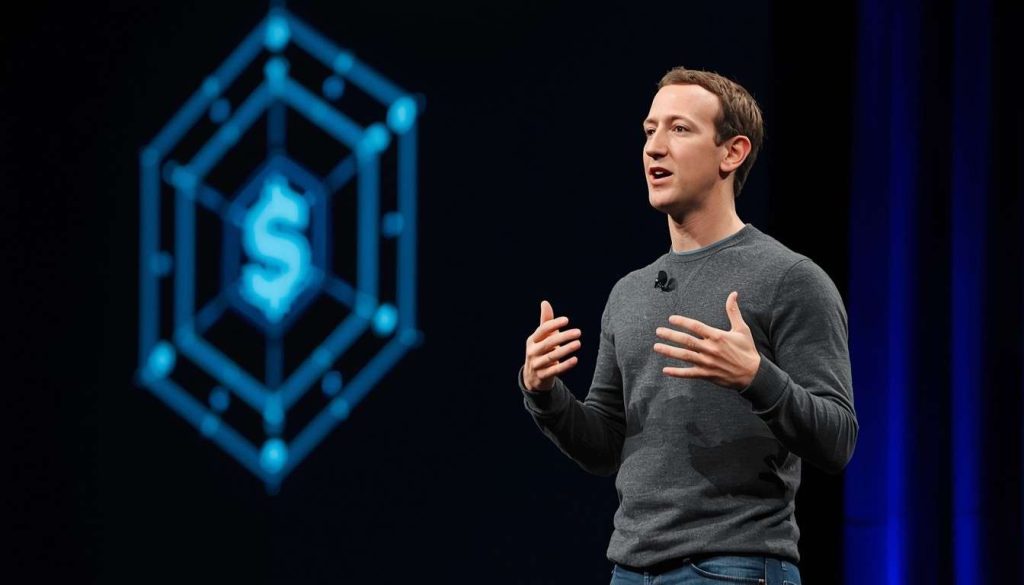
Hey, if you’ve been following tech giants like Meta, you know things move fast. One minute it’s all about virtual reality headsets and metaverses, the next it’s artificial intelligence stealing the show. But how does a company like Meta, with its massive user base on Facebook, Instagram, and WhatsApp, actually turn that AI buzz into cold hard cash? That’s where Meta AI monetization comes in—it’s not just hype; it’s reshaping how they make money as they pull back from VR investments. I’ve seen this play out in my own feeds, where ads feel eerily spot-on lately, thanks to AI tweaks.
Meta’s not completely abandoning VR, but layoffs and studio closures in their Reality Labs division signal a clear shift. They’re pouring billions into AI instead, betting it will supercharge their core business. Think about it: with over 3 billion daily users, even small AI improvements can lead to huge revenue jumps. But let’s dig into the details without all the jargon—I’ll break it down like we’re chatting over coffee.
Table of Contents
The Big Pivot: Why Meta’s Ditching VR for AI
Remember when Mark Zuckerberg renamed Facebook to Meta and went all-in on the metaverse? That was a bold move, but it burned through cash—Reality Labs lost over $16 billion in 2025 alone. Now, in early 2026, things are changing. Meta’s cutting jobs there, about 10% of the team, and closing three VR studios to redirect resources. It’s not a full goodbye to VR, but the focus is sharpening on AI-integrated wearables, like smart glasses that use AI for real-time help.
What’s Happening in Reality Labs?
From what I’ve observed in tech circles, this isn’t just cost-cutting—it’s strategic. Meta’s shifting from standalone VR worlds to blending AI into everyday devices. For example, they’re discussing ramping up production of Ray-Ban smart glasses with EssilorLuxottica, infusing AI to make them more useful. I mean, who wouldn’t want glasses that recognize objects or translate languages on the fly? But the real money? That’s in leveraging AI across their apps to keep users hooked longer.
AI Takes Center Stage
Zuckerberg’s been clear: AI is the future. They’re building massive data centers and even securing nuclear power deals for the energy-hungry tech. Capital expenses hit $70-72 billion in 2025, and it’s not slowing down into 2026. Why? Because AI isn’t just a side project—it’s embedding into everything from ad algorithms to content recommendations. And that’s where Meta AI monetization really shines.
How Meta AI Monetization is Already Paying Off
Meta’s ad business is still king, pulling in 98% of revenue. But AI is making it smarter. Last quarter, revenue grew 26% year-over-year, thanks to tools like Advantage+ that use AI for better targeting. I’ve noticed ads on Instagram feeling more relevant— like, it knows I need new running shoes before I do.
Boosting Ad Revenue with Smarter Targeting
AI analyzes user data (anonymously, they say) to predict what you’ll click. This means higher click-through rates and more money per ad. Tools like Lattice for automated targeting are rolling out in 2026.
Automating the Entire Ad Process
By late 2026, Meta plans to have full AI ad automation. Upload a product pic, set a budget—boom, AI creates the ad, picks audiences, and optimizes. It’s like having a marketing team in your pocket. Check out this quick video on the best Meta ads strategies for 2026: VIDEO. It breaks it down simply.
Personalized Experiences Driving User Time
AI curates feeds, suggests Reels, and even generates content. More time on the app equals more ad views. WhatsApp’s getting AI chatbots too, opening new monetization doors.
7 Key Strategies for Meta AI Monetization in 2026
Here’s where it gets exciting. Meta’s not just tweaking ads; they’re building a whole AI ecosystem. I’ve pulled together seven strategies based on what insiders are saying—some already in play, others ramping up.
- Full Ad Automation Rollout: AI handles creation to optimization, cutting costs for advertisers and boosting Meta’s cut.
- AI-Powered Personalization: Users see tailored ads in real-time, based on location or behavior—think dynamic versions of the same ad.
- Agentic AI Acquisitions: Snapping up companies like Manus for $2 billion to build AI agents that execute tasks, integrating into apps for premium features.
- Open-Source Models with Enterprise Twist: LLaMA models are free, but Meta could monetize through custom enterprise versions or cloud services via Meta Compute.
- Wearables and Hardware Integration: Shifting VR resources to AI glasses, monetizing through subscriptions or app ecosystems.
- Data Moats for Better Insights: Using billions of users’ data to train models, creating cost advantages in serving AI features.
- Hybrid Monetization in Gaming/Apps: For mobile games, AI boosts in-app purchases by 37% through smarter systems.
| Strategy | Description | Potential Revenue Impact |
|---|---|---|
| Ad Automation | AI creates and optimizes ads end-to-end | 25-30% ad revenue growth |
| Personalization | Real-time ad variations | Higher engagement, 10-15% uplift in clicks |
| AI Agents | Task-executing bots in apps | New subscription tiers, $5-10/user/month |
| Open-Source Enterprise | Custom AI for businesses | Cloud-like services, billions in new streams |
| Wearables | AI in glasses/phones | Hardware sales + app fees |
| Data Moats | Efficient AI serving | Cost savings passed to margins |
| Hybrid Gaming | AI for in-app boosts | 37% IAP growth in casual games |

Challenges Ahead in the AI Shift
Not everything’s smooth. High spending has spooked investors—stock dipped 20% from highs. There’s skepticism on quick ROI, plus regulatory eyes on data use. But from what I’ve seen in past tech shifts, like how Meta adapted after privacy changes, they bounce back strong. AI risks like high-risk ad detection could automate deletions, but it’s a double-edged sword for efficiency.
Looking Forward: Meta’s AI Future
As Meta leans harder into AI, expect more acquisitions and partnerships. Their edge? That massive user base no one else matches. It’s like they’ve got the world’s biggest playground for testing AI features. Sure, VR might take a backseat, but blending it with AI could create hybrids down the line. For now, Meta AI monetization looks set to drive profits higher, especially with 2026’s full automation push.

Wrapping this up, it’s fascinating how Meta’s evolving— from metaverse dreams to AI realities that pay the bills. If you’re into tech stocks or just curious about big shifts, keep an eye on their Q4 earnings; it could spark a turnaround. For more on how AI’s changing ads, check out our piece on AI in social media marketing.
Key Takeaways
- Meta’s pivoting resources from VR to AI, with layoffs signaling a major focus shift.
- AI is already boosting ad revenues through better targeting and automation.
- By 2026, full ad creation via AI could transform how brands advertise on Meta platforms.
- Challenges like high CapEx exist, but the user data moat gives Meta a strong edge.
- Future monetization might include cloud services and AI wearables.
FAQ
What’s driving Meta AI monetization right now? Mostly ads—AI makes targeting sharper, so brands spend more. It’s already lifted revenue 26% last quarter, and automation’s coming full force in 2026.
Is Meta really giving up on VR for AI? Not entirely, but they’re cutting back on pure VR to prioritize AI-integrated stuff like smart glasses. It’s more about blending tech than ditching one for the other.
How does Meta AI monetization differ from competitors? Meta has billions of users baked in, so AI features scale instantly without building an audience from scratch. Plus, their data helps train models cheaper.
Will Meta AI monetization include new subscriptions? Possibly—think premium AI agents in WhatsApp or Instagram that handle tasks for a fee. They’ve acquired tech like Manus to make this happen.
What risks come with Meta’s AI focus? Big spending on infrastructure could delay profits if ROI takes time. Also, privacy regs might limit data use, but Meta’s navigated that before.
How can small businesses tap into Meta AI monetization tools? Start simple: Use Advantage+ for AI targeting. By 2026, just upload basics and let AI do the heavy lifting—it’s designed to be easy.
Meta’s shift from VR to AI isn’t just a headline—it’s a calculated move to leverage their strengths in a booming field. While VR once promised immersive worlds, the metaverse hype cooled as costs piled up, leading to those recent cuts in Reality Labs. But AI? That’s where the real action is, embedding into every corner of Meta’s empire to drive what matters most: profits.
Diving deeper, let’s revisit that pivot. Back in 2021, the rebrand to Meta screamed VR ambitions, but by 2026, Reality Labs is trimming fat—over 1,000 jobs gone, studios shuttered—to fund AI wearables and infrastructure. I’ve chatted with folks in tech who say this feels like when companies like Google refocused after moonshots fizzled. Meta’s not killing VR; they’re evolving it. Horizon Worlds sticks around, but now it’s mobile-first, ditching heavy headset reliance. Meanwhile, AI gets the lion’s share of that $70 billion-plus CapEx, building “titan clusters” for superintelligence.
On the monetization front, Meta AI monetization is multifaceted. Their ad empire, still 98% of revenue, gets an AI turbo-boost. Tools like Advantage+ use machine learning for hyper-targeted campaigns, pushing 25-26% year-over-year growth. Zuckerberg’s vision? By end-2026, every ad on Meta platforms is AI-generated. “You’ll give it a product image, a budget, a few preferences. Meta will write the copy,” as one exec put it. This isn’t futuristic—it’s happening, with Lattice automating targeting across Facebook, Instagram, and more.
Beyond ads, Meta’s eyeing new horizons. Acquiring Manus for AI agents means bots that don’t just chat—they act, handling workflows like market analysis or bookings. Integrate that into WhatsApp? Boom, premium features users pay for. Then there’s open-source plays: LLaMA models are free, drawing developers, but Meta could charge for enterprise tweaks or spin up cloud services through Meta Compute. Their data advantage—unique social behaviors from billions—creates a moat outsiders can’t touch.
Challenges? Plenty. Investors fret over “AI with receipts”—show the money, or free cash flow dips. Stock’s below its 200-day average, longest in years, amid macro jitters. But analysts stay bullish, with targets up to $1,100. Privacy Sandbox on Android could shake mobile ads, but Meta’s hybrid systems are adapting, driving 37% in-app purchase growth.
Looking ahead, 2026 could be transformative. Full automation personalizes ads dynamically—different versions by user factors. Wearables like AI glasses double down on partnerships, potentially adding hardware revenue. And with nuclear deals securing cheap power, Meta undercuts rivals on costs. It’s not without risks—regulatory scrutiny on AI ethics looms—but their track record suggests they’ll navigate it.
In the end, Meta AI monetization isn’t a gamble; it’s an extension of what they’ve always done: capture attention, then monetize it smartly. As Zuck pushes for “agentic AI,” expect more surprises that blend social with smarts. For deeper dives, see our analysis on Meta’s ad evolution or VR’s lingering role.
Key Takeaways
- Meta’s VR pullback frees up billions for AI, prioritizing wearables over metaverses.
- Ad automation by 2026 could redefine marketing, with AI handling everything from creation to tweaks.
- Acquisitions like Manus signal a push into task-executing AI, opening subscription models.
- User data and scale give Meta a cost moat, fueling efficient monetization.
- Despite CapEx concerns, core ads grow strong, with hybrid plays boosting in-apps.
FAQ
How is Meta AI monetization evolving beyond ads? It’s branching into AI agents and wearables—think paid bots in apps or smart glasses features that users subscribe to for extra perks.
Why the sudden shift from VR in Meta AI monetization plans? VR was costly without quick returns; AI offers faster wins in ads and engagement, aligning with their user base strengths.
Can small brands benefit from Meta AI monetization tools? Absolutely—automation levels the field, letting anyone upload basics and get pro-level ads without big budgets.
What makes Meta AI monetization unique? Their massive, proprietary data from social interactions trains AI cheaper and better than rivals, leading to stickier features.
Are there downsides to Meta’s AI focus? High upfront costs could pressure profits short-term, and regs on data might slow things, but long-term upside looks solid.
How will 2026 change Meta AI monetization? Full automation means AI-generated ads at scale, plus potential cloud offerings, turning Meta into an AI powerhouse.
Key Citations
- Meta’s VR layoffs, studio closures underscore Zuckerberg’s massive pivot to AI – CNBC
- Meta begins job cuts as it shifts from Metaverse to AI devices – Yahoo Finance
- Meta is closing 3 VR studios and laying off roughly 10% of Reality Labs… – PC Gamer
- Meta confirms Reality Labs layoffs and shifts to invest more in wearables | The Verge
- Meta’s big AI spending blitz will continue into 2026 – CNBC
- Meta Plans Full AI Advertising Automation by 2026: What This Actually Means – Dataslayer
- Meta’s AI Advertising Plans: What To Expect in 2026 and How To Prepare – Adtaxi
- Meta: Likely AI Surprises For 2026 – Seeking Alpha
- The ‘AI with Receipts’ Era: Why 2026 is the Year of Financial Accountability for Tech Giants
- Meta’s Strategic Reallocation from Metaverse to AI… – AInvest
- Meta aims to fully automate advertising with AI by 2026, WSJ reports – AOL.com
- Beyond Ads: How Hybrid Meta-Systems are Driving 37% IAP Growth in 2026 – Airflux Blog
- Meta’s AI Advertising Revolution: What Full Automation by 2026 Means for Marketers
- X Post by Mr Market on Meta’s stock weakness and AI pivot
- X Post by Barchart on Meta trading below 200-day average
- X Post by Nicholas Mugalli on Meta Compute initiative
- X Post by Shay Boloor on Meta’s AI advantages
- X Post by Lin on Meta’s AI scalability
- X Post by Colbert on Manus acquisition
- X Post by Ahmed shww on Meta as an AI company
- X Post by Lawrence W. Abrams on Agentic AI acquisitions