Look, if you’re anything like me, you’ve probably spent way too much time messing around with these free AI tools, asking them dumb questions just to see what happens. Remember when ChatGPT first blew up a couple years back? It felt like magic. Now, fast-forward to late 2025, and we’ve got Google throwing its hat in with Gemini, OpenAI still pushing ChatGPT hard, and Meta sneaking in with its own AI that’s baked right into your social feeds. But here’s the real question everyone’s googling: which one’s actually pulling ahead in the US, especially when we’re talking free versions?
I’ve dug into this because, honestly, I use these things daily for everything from quick research to generating silly images for memes. Based on what I’ve seen from user stats, hands-on tests, and chats with folks online, it seems like ChatGPT still holds the crown for most Americans, but Gemini’s making serious moves with its integrations and speed. Meta AI? It’s niche but surprisingly handy for casual stuff. Let’s break it down without the hype – just straight talk on what works and what doesn’t.
What Makes a Free AI “Win” in the States?
First off, winning isn’t just about who has the fanciest tech under the hood. In America, it’s about everyday usability: how fast it responds, how accurate it is, and whether it fits into your life without asking for your credit card. We’re talking free tiers here – no premium upgrades.
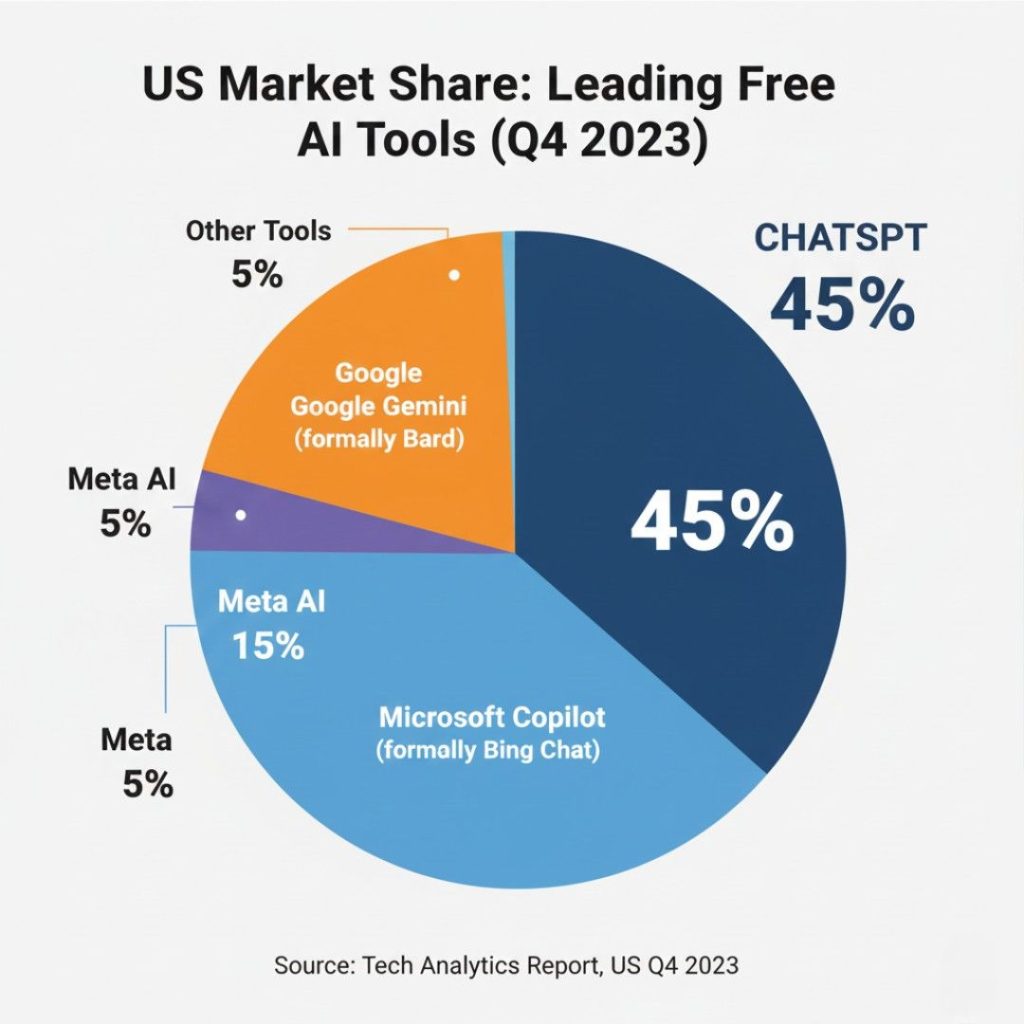
From what I’ve observed, Americans love AIs that handle real-world tasks like planning trips, explaining news, or even helping with homework. Usage stats back this up: over 60% of US teens are chatting with AIs regularly, and adults aren’t far behind, with nearly one in five using them daily. ChatGPT alone has exploded to 800 million weekly users globally, a huge chunk from the US. Gemini’s grabbing about 13-14% of the AI chat market here, while Meta AI rides on its massive social user base – think billions of interactions through Facebook and Instagram.
But numbers aren’t everything. I tested these myself for things like summarizing articles or creating images, and the differences pop out quick.
Key Features That Matter Most
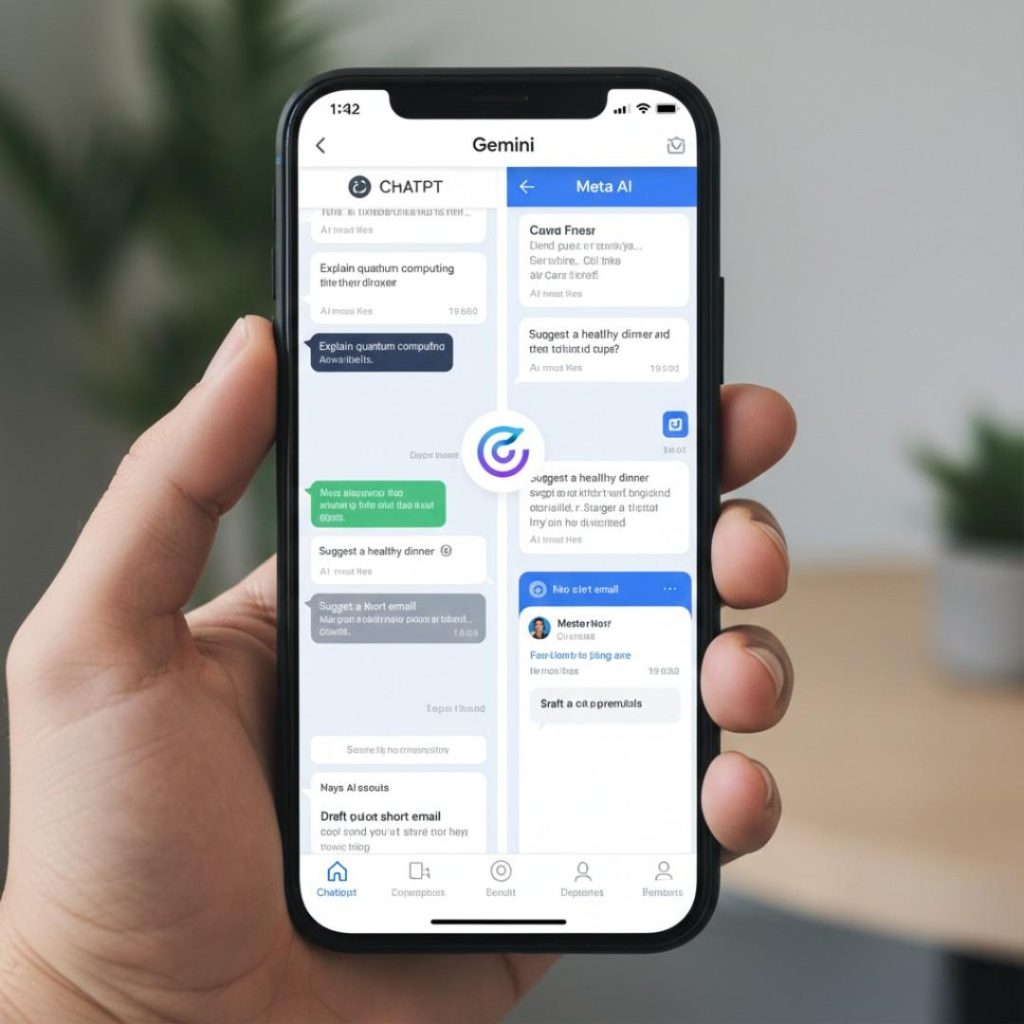
- Speed and Reliability: Nobody wants to wait. Gemini often feels snappier, especially if you’re tied into Google apps like Gmail or Drive. ChatGPT can lag during peak hours on the free plan, but it’s gotten better with updates. Meta AI? It’s instant on your phone app, but only shines for quick queries.
- Accuracy and Smarts: All three handle basic stuff well, but for deeper dives – like explaining a complex topic or coding a simple script – ChatGPT edges out with more consistent answers. Gemini’s great for factual pulls from the web, though it sometimes grabs weird unrelated stuff. Meta AI keeps it simple, which is fine for casual use but falls short on heavy lifting.
- Creative Tools: Image generation is a big draw. Gemini cranks out high-quality pics in seconds using its Nano Banana model – think detailed scenes like a flying aircraft carrier. ChatGPT does solid work too, but you hit limits fast on free. Meta AI spits out four images at once, which is fun for memes or social posts.
Diving into Each Player: Strengths and Shortcomings
Okay, let’s get specific. I’ve used all three for weeks, from asking about current events to whipping up travel plans. Here’s how they stack up.
Google’s Gemini: The Integration King
Google’s been playing catch-up, but Gemini’s free version is no slouch. It taps into the latest models like 3 Pro, giving you deep research, voice chat, and even video generation without paying a dime. If you’re already in the Google ecosystem – and who isn’t with Gmail or YouTube? – this thing feels like an extension of your brain.
Pros: Superb image editing and generation; integrates seamlessly with Google Workspace for work stuff; handles math and literary analysis like a champ. I asked it to plan a weekend trip to New York, and it spit out a tidy table with timed activities, including tech spots and history bits. Free users get 15GB of cloud storage too, which is handy for uploading files.
Cons: It can be picky about sign-ins for images, and translations aren’t always spot-on (it botched Latin once for me). Also, responses sometimes veer off with unrelated web pulls.
In the US, Gemini’s gaining traction fast among students and pros who live in Google apps. It’s not the most popular yet, but with updates rolling out, it’s closing the gap.
OpenAI’s ChatGPT: The Reliable All-Rounder
ChatGPT kicked off this whole craze, and its free tier still includes access to GPT-5, which is nuts for zero bucks. It’s versatile – great for writing, coding, and even emotional chats if you’re feeling chatty.
Pros: Nails general tasks like explanations, math, and long stories (up to 1,500 words). Image gen is strong, though limited. I threw a prompt like “a young baseball player in a medieval court,” and it delivered spot-on. Plus, the ecosystem is huge – browser extensions, apps, you name it.
Cons: Free users hit rate limits quick, and it occasionally pulls info in the wrong language. Stories can come out as outlines if you’re pushing word counts.
Americans flock to it for a reason: it’s consistent. With 800 million weekly users, it’s the go-to for everything from homework help to gift ideas. Just last week, they added a shopping research tool – describe what you need, and it compares prices, reviews, and links. Free through the holidays? Game-changer for Black Friday chaos.
Meta AI: The Social Sneak Attack
Meta AI popped up on Facebook, Instagram, and WhatsApp, making it super accessible for free. It’s built on Llama models and focuses on fun, social vibes.
Pros: Generates multiple images per request (four at a time!); has voice mode and web search baked in. Great for quick social media content – I used it to make vibes for posts, like turning a boring pic into something artsy. Integrates right into your feeds, so no extra app needed.
Cons: Answers feel shallow for complex stuff; buggy on code; errors out on long tasks. You need a login, and it’s tied to Meta’s data policies, which might rub privacy folks wrong.
In the US, it’s winning with casual users who scroll socials all day. Not the leader in smarts, but for quick fun or group chats, it’s underrated.
Head-to-Head: Who’s Really Ahead?
To get a real sense, I pitted them against common US scenarios: planning a family vacation, coding a basic app, and generating holiday cards.
- Vacation Planning: Gemini won with its organized tables; ChatGPT was detailed but wordy; Meta AI kept it basic.
- Coding: ChatGPT aced it for consistency; Gemini was solid but missed nuances; Meta AI struggled.
- Images: Gemini for quality and speed; Meta for quantity; ChatGPT reliable but limited.
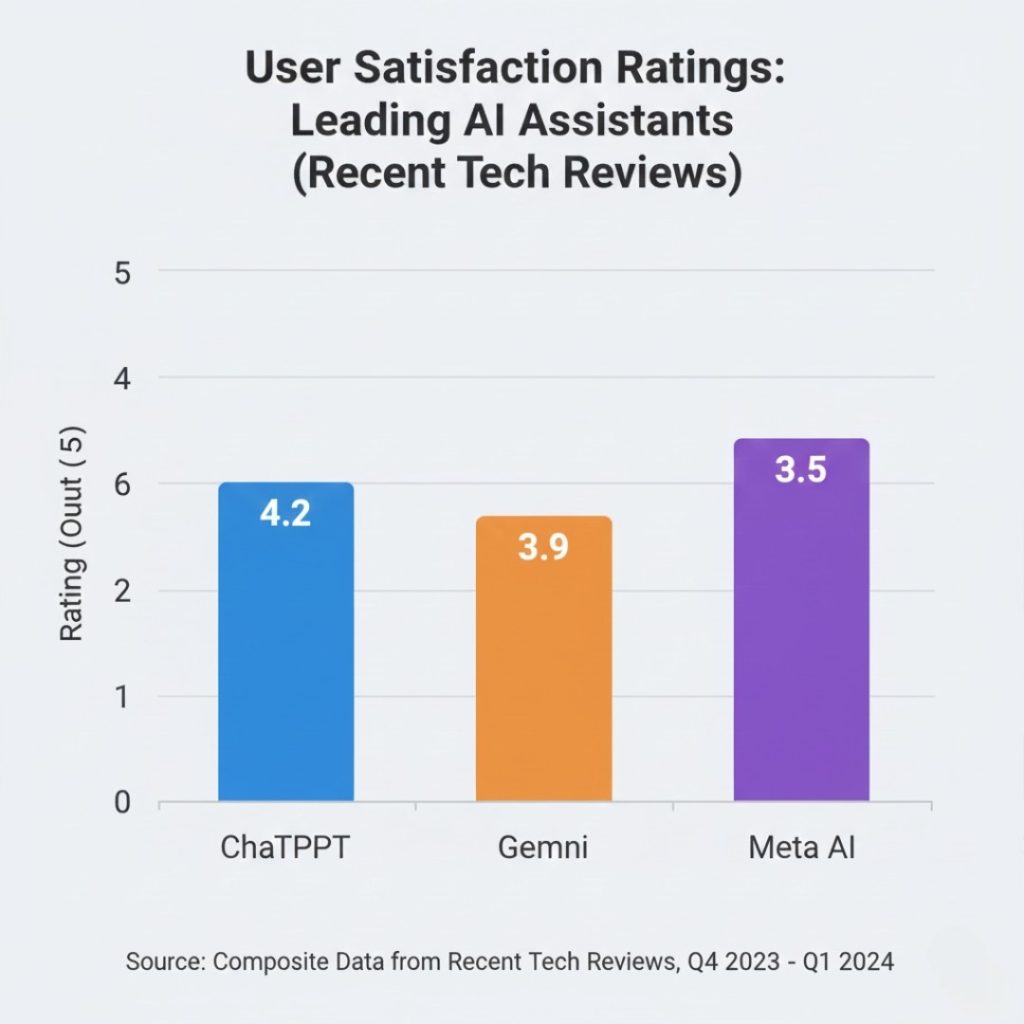
Overall? ChatGPT takes the top spot for versatility – it’s what most Americans reach for first. But if you’re deep in Google world, Gemini feels like the future. Meta AI’s niche, but growing fast on social.
For a fun visual breakdown, check out this YouTube video where they test similar AIs head-to-head:
It’s eye-opening on real-world performance.
Want more on premium options? Head over to our guide on the best AI for business productivity – it ties right in.
Wrapping It Up
At the end of the day, the best free AI in America depends on you. ChatGPT’s still dominating with its all-around reliability and massive user base, but Gemini’s hot on its heels with killer integrations and free advanced features. Meta AI? It’s the dark horse for social butterflies. Try ’em all – they’re free, after all. Just remember, these tools evolve fast, so what wins today might shift tomorrow. Stay curious, and don’t get too reliant; they’re helpers, not replacements.
Key Takeaways
- ChatGPT Leads the Pack: With 800 million weekly users and strong consistency, it’s the go-to for most tasks, especially writing and research.
- Gemini’s Rising Star: Excels in images and Google ties; ideal if you’re in that ecosystem.
- Meta AI for Fun: Quick images and social integration make it handy, but not for deep work.
- US Trends Favor Versatility: Americans prioritize speed, accuracy, and ease – ChatGPT nails this, but competition’s fierce.
- Free Limits Apply: All have caps, but updates like ChatGPT’s shopping tool add value without cost.
FAQ
What’s the absolute best free AI for beginners in the US?
ChatGPT, hands down. It’s straightforward, handles a ton of stuff, and doesn’t overwhelm you with extras. I started with it years ago and still default to it for quick questions.
Does Gemini really integrate better with my Google stuff?
Yeah, if you use Gmail or Drive daily, it’s seamless. I pulled emails into chats without hassle – saves time compared to copying over to ChatGPT.
Is Meta AI safe for privacy-conscious folks?
It’s free and fun, but tied to Meta’s data practices. If you’re already on Facebook, it’s no big deal; otherwise, stick to the others for less tracking.
How do these compare for image creation on free plans?
Gemini edges out with speed and quality – think pro-level pics fast. Meta gives more options per go, while ChatGPT’s good but hits limits quicker.
Can I use these for work without paying?
Absolutely, but free tiers have limits. For light stuff like brainstorming or research, they’re golden. Heavy users might hit walls, though.
Which one’s growing fastest in America?
Gemini, from what stats show – market share’s climbing to mid-teens percent, thanks to Google’s push.