

Hey, have you ever heard someone say their job is totally safe from AI taking over? Yeah, me too. It’s like this comforting blanket we wrap around our careers, thinking certain roles are immune to all that tech disruption. But let’s get real for a second—when it comes to AI automation jobs, there’s one massive myth that’s fooling a lot of folks out there. I’m talking about the idea that creative or hands-on work is forever protected. Spoiler: it’s not always true. In this piece, we’ll dig into why that’s bogus, look at some eye-opening examples, and figure out what you can actually do about it. Stick around; it might just change how you think about your own gig.
Table of Contents
What Exactly Are AI Automation Jobs?
Okay, first things first—let’s break down what we mean by AI automation jobs. These aren’t just sci-fi robots flipping burgers or something out of a movie. Nah, it’s more about how artificial intelligence is stepping in to handle tasks that used to need a human touch. Think data entry, customer service chats, or even analyzing medical scans. I’ve seen it firsthand in my old office job where AI tools started crunching numbers faster than any intern could. It’s not about replacing people entirely, but shifting what we do day-to-day.
And yeah, AI automation jobs are popping up everywhere, from factories to finance firms. The key is automation—making processes quicker, cheaper, often with less error. But here’s where it gets tricky: people assume only repetitive stuff gets hit. Wrong. Even roles with a bit of flair are feeling the pinch.
How AI Sneaks Into Everyday Roles
AI doesn’t just barge in; it creeps. Start with simple stuff like chatbots handling basic queries, freeing up humans for tougher problems. Then it levels up—machine learning predicts trends, or algorithms design layouts. Remember when graphic designers thought Photoshop was their secret weapon? Now AI plugins do half the work. It’s sneaky, efficient, and yeah, a game-changer for AI automation jobs.
Common Jobs People Think Are Safe
We all have that list in our heads: teachers, artists, plumbers, therapists. “AI can’t teach empathy,” right? Or “No robot’s gonna fix my leaky faucet.” Fair points, but let’s not kid ourselves. AI is already tutoring kids online and suggesting therapy scripts. It’s not full takeover, but it’s nibbling at the edges of these so-called safe AI automation jobs.
The Myth: Creative and Manual Jobs Can’t Be Automated
Alright, here’s the heart of it—the biggest myth floating around about AI automation jobs is that if your work involves creativity or physical labor, you’re golden. No AI threat, end of story. But man, that’s like saying the internet wouldn’t change shopping. We’ve all seen Amazon prove that wrong. This myth tricks people into complacency, and it’s time to call it out.
I’ve chatted with friends in creative fields who swear their jobs are untouchable. One’s a writer, another’s a mechanic. They laugh off AI, but I’ve watched tools like GPT churn out decent drafts or robots assemble cars with precision no human matches. It’s not doom and gloom; it’s reality check.
Why This Myth Persists
Why do we cling to this? Partly because AI started with boring tasks—assembly lines, spreadsheets. So we figured, “Hey, as long as I’m thinking or moving, I’m safe.” Media plays into it too, hyping up AI as a data cruncher, not a creator. Plus, it’s comforting. Who wants to admit their dream job might evolve? But ignoring AI automation jobs won’t make them vanish.
Take a look at this quick table showing how perceptions stack up against reality:
| Job Type | Common Belief | Actual AI Impact |
|---|---|---|
| Artist | Pure creativity, untouchable | AI generates art, edits photos |
| Mechanic | Hands-on, no code needed | Diagnostic AI spots issues faster |
| Teacher | Human connection essential | AI grades papers, personalizes lessons |
See? The gap’s widening.
Real-World Busts of the Myth
Let’s get specific. Back in 2020, IBM’s Watson was already helping doctors diagnose faster than some specialists. Not replacing them, but automating chunks of their expertise. Or consider journalism—AI tools like those from Automated Insights write sports recaps. I remember reading one and thinking, “Wait, a bot did this?” It’s impressive, scary, and proof that AI automation jobs aren’t picky about industries.
For more on this, check out our piece on emerging AI tools in creative industries. It’s eye-opening stuff.
Surprising Examples of AI Automation Jobs in Action
Now, to really hammer this home, let’s look at some head-scratchers. These are jobs folks bet the farm on being safe, but AI’s already knocking. It’s not all bad—sometimes it creates new opportunities, like overseeing AI systems. But yeah, change is here.
AI in Creative Fields
Creatives, listen up. Graphic design? Tools like Canva’s AI magic studio whip up logos in seconds. Writing? Yeah, AI drafts emails, blogs—even novels. I tried one for fun; it wasn’t Shakespeare, but it got the ball rolling. Music composers are using AI to generate beats. Heck, there’s a YouTube video that dives deep into this: VIDEO. Watch it if you’re skeptical; the examples will blow your mind.
And don’t forget marketing. AI automation jobs here include predicting customer behavior, personalizing ads. One buddy of mine in ad sales said AI cut his workload by 30%, but he had to learn new skills quick.
Manual Labor Getting a Tech Overhaul
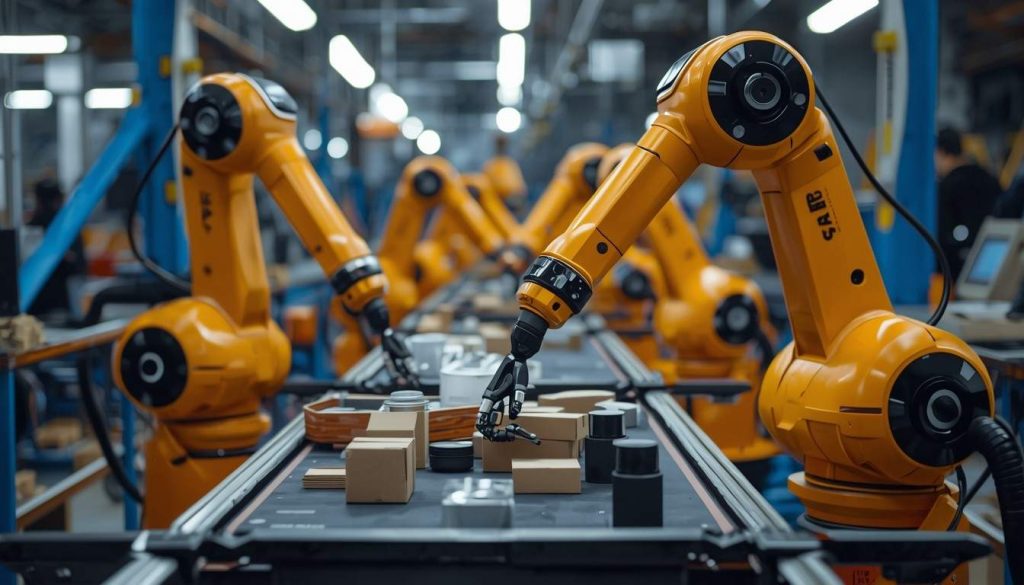
Manual jobs aren’t off the hook either. Construction? Drones survey sites, AI plans layouts. Farming? Autonomous tractors plant crops. I grew up near farms in the Midwest, and farmers there are mixed—love the efficiency, hate the learning curve. Even plumbing: AI apps diagnose pipe issues via cameras, suggesting fixes. It’s not robots with wrenches yet, but it’s close.
For tips on adapting, see our guide to upskilling for tech-driven trades. Worth a read if you’re in hands-on work.
How to Future-Proof Your Career Against AI Automation Jobs
So, if the myth’s busted, what’s next? Don’t freak out—adapt. AI automation jobs are reshaping things, but humans still rule in areas like ethics, innovation, emotional smarts. Focus there, and you’ll thrive.
I’ve seen colleagues pivot successfully by blending old skills with new tech. One switched from data entry to AI oversight; pay bump included.
Skills That Matter Now
Here’s a short list of must-haves:
- Digital literacy: Know your way around AI tools.
- Problem-solving: AI handles routine; you tackle the weird stuff.
- Lifelong learning: Take courses on platforms like Coursera.
- Soft skills: Empathy, teamwork—AI can’t fake those yet.
Mix these into your routine, and AI becomes a helper, not a threat.
Adapting Without Panic
Start small. Audit your job: What tasks could AI automate? Then, experiment—try free AI tools. Join communities; Reddit’s got great threads on AI automation jobs. And remember, this isn’t overnight. We’ve got time to adjust, but starting now beats scrambling later.

Wrapping this up, it’s clear the landscape’s shifting faster than we think. That myth about safe jobs? It’s crumbling under real examples and tech advances. But hey, with the right mindset, AI automation jobs could open doors we never saw coming. Stay curious, keep learning, and you’ll be just fine.
Key Takeaways
- The idea that creative or manual roles are fully safe from AI is a myth—automation touches everything.
- Real examples show AI in art, medicine, and farming, changing how we work.
- Focus on skills like problem-solving and digital know-how to stay relevant.
- Adaptation is key; don’t ignore the trends in AI automation jobs.
FAQ
What’s the deal with AI automation jobs and why should I care? AI automation jobs are basically roles where tech handles tasks humans used to do, like analyzing data or even creating designs. You should care because it’s hitting more industries than you think, and ignoring it could leave you behind.
Are there any jobs truly safe from AI automation? Not entirely—most AI automation jobs evolve rather than disappear. Things like high-level strategy or roles needing deep human empathy might hold out longer, but even those get AI boosts.
How is AI affecting creative AI automation jobs right now? It’s huge. AI generates art, writes copy, and composes music. Not perfect, but it’s speeding things up and changing entry-level creative gigs.
Can manual labor escape AI automation jobs? Doubt it. Robots and AI diagnostics are already in factories, farms, and construction. It makes jobs safer and faster, but you gotta learn the tech side.
What steps can I take to prepare for shifts in AI automation jobs? Start by learning basic AI tools, upskill in areas AI can’t touch like creativity or ethics, and keep an eye on industry trends. It’s about evolving with it.
Is the hype around AI automation jobs overblown? Some of it is, sure—AI isn’t taking every job tomorrow. But the changes are real, and underestimating them is the real risk in AI automation jobs.