
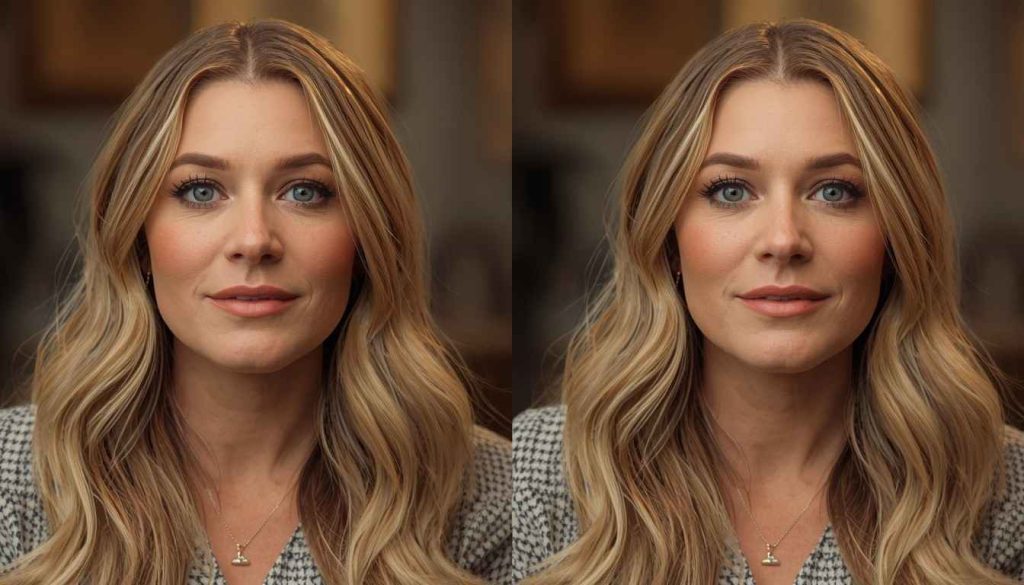
You know that feeling when you scroll through your feed and see a video that looks totally real, but something nags at you? Yeah, that’s AI video realism at work these days. It’s wild how far this tech has come – videos generated by AI are getting so lifelike that even experts sometimes scratch their heads. We’re talking about clips where celebrities say things they never said, or scenes that never happened, blending right into reality. And honestly, it’s not just fun and games; it raises some big questions about trust online. In this piece, I’ll break down why it’s so hard for folks to tell what’s fake anymore, drawing from what’s happening right now in 2026.
Table of Contents
The Rise of AI Video Realism
AI video realism didn’t just pop up overnight. It started with those early deepfakes that looked kinda off, like a bad Photoshop job in motion. But fast-forward to today, and these things are polished, convincing, and everywhere. Think about it – back in 2019, videos with swapped faces were novel but easy to spot because of weird glitches. Now? Generators like OpenAI’s Sora 2 or Google’s Veo 3 churn out stuff that’s hyper-realistic, with smooth movements and details that mimic real life down to the pixel.
From Clunky Edits to Seamless Fakes
Remember when deepfakes first hit the scene? They relied on basic machine learning to mash faces onto bodies, but the results were jerky, with mismatched lighting or unnatural blinks. People could pick them out pretty easily. But as AI got smarter, incorporating massive datasets from real videos, the realism skyrocketed. These systems learn from billions of hours of footage, figuring out how light bounces off skin or how hair sways in the wind. It’s like the AI is studying us humans and copying our quirks perfectly – or almost perfectly.
I’ve seen this firsthand while messing around with some free tools online. You input a simple prompt, and boom, out comes a video that could fool your grandma. For more on how deepfakes evolved, check out our guide on deepfake history and basics.
Key Tech Breakthroughs in 2025
Last year was a game-changer for AI video realism. Models like Veo 3 from Google stepped up with better audio sync and expressive avatars. They handle complex scenes now – crowds moving naturally, weather effects that look legit. One big leap was in handling physics; earlier AI videos had objects floating weirdly or defying gravity, but now? It’s spot-on most times.
It shows side-by-side comparisons of AI-generated clips versus real ones, and you’ll see just how blurry the line has gotten. Advancements in neural networks mean these videos can even include subtle micro-expressions, those tiny face twitches we all do without thinking.
How AI Videos Trick Our Senses
Our brains are wired to trust what we see and hear, right? That’s why AI video realism hits so hard – it exploits those instincts. These fakes don’t just look good; they feel authentic because they nail the little details that make something believable.
Playing with Faces and Expressions
Faces are tricky. We humans have over 40 muscles in our mugs, creating endless expressions. Early AI bungled this, making eyes look glassy or smiles too symmetric. But modern AI video realism? It captures asymmetries and rhythms that scream “real.” Still, if you zoom in, you might catch oddities like perfect teeth alignment or eyes that don’t reflect light quite right.
In tests, people only spot high-quality deepfakes about 67% of the time. That’s not great odds! It’s like our eyes want to believe, especially in fast-paced social media clips.
Audio and Movement That Feel Too Real
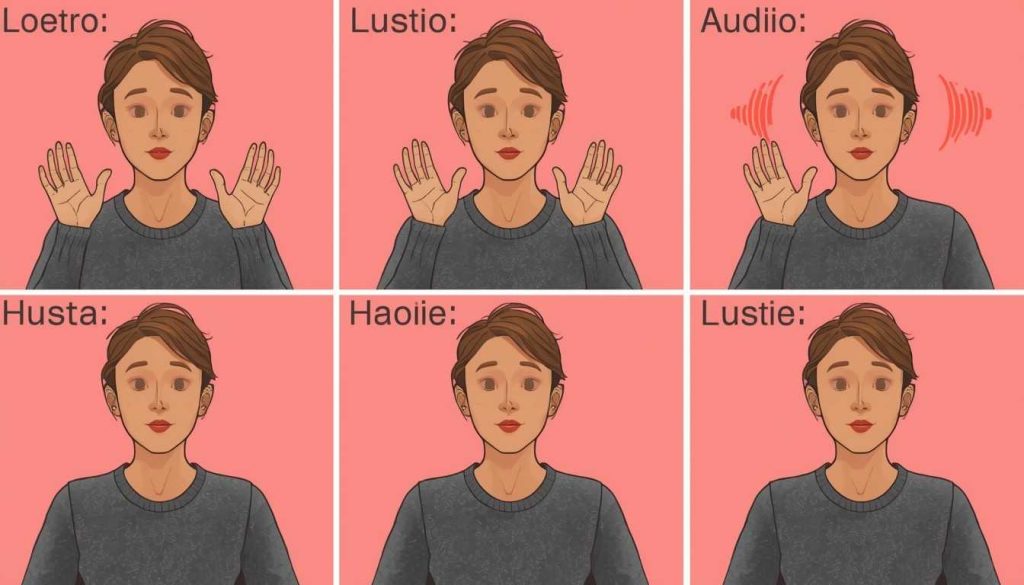
Audio is another sneaky part. AI voices used to sound robotic, but now they’re warm, with natural timbre and pauses. Pair that with synced lip movements, and you’ve got a video that fools even pros. Movements flow better too – no more stiff walks or hands that morph strangely.
But here’s a tip: Listen for background noise. Real videos have ambient sounds; AI ones often strip them out, making everything too clean. It’s a small imperfection, but it adds up.
Why Detection Is Getting Tougher
Spotting fakes used to be simple – look for glitches. But as AI video realism improves, detection lags behind. Creators are always one step ahead, tweaking algorithms to evade checks.
Human Eyes vs. AI Smarts
We’re not as good at this as we think. Studies show humans detect deepfakes accurately only about half the time for videos, worse for audio. Why? Because AI mimics patterns we’ve seen in real life. Add in fatigue from scrolling endlessly, and we miss cues like impossible physics or text that warps.
I remember watching a viral clip last year of a politician “saying” something outrageous. Turned out it was AI, but it took days for fact-checkers to call it out. People shared it like crazy first.
Tools That Can’t Keep Up
Detection software exists – things like watermark scanners or AI analyzers. Google’s SynthID embeds invisible marks in videos, but bad actors strip them easily. Other tools check for artifacts, but as AI gets better, those vanish.
The cat-and-mouse game means today’s detectors might flag as fake or miss obvious ones. For better strategies, read our post on top deepfake detection apps.
The Real-World Fallout from AI Video Realism
This tech isn’t all doom and gloom, but it packs a punch in how we interact with media. From news to ads, AI videos are reshaping things, sometimes in scary ways.
Spreading Lies and Scams
Misinformation is the big worry. Deepfakes can sway elections or tank reputations. Fraudsters use them for scams, like fake video calls from “loved ones” asking for cash. In 2025, deepfake fraud spiked, costing millions.
It’s eroding trust – if you can’t believe a video, what can you believe? Societies are grappling with this, pushing for better laws and education.
| Impact Area | Examples | Potential Risks |
|---|---|---|
| Politics | Fake speeches influencing votes | Election interference, public division |
| Finance | Scammy investment videos | Financial losses, identity theft |
| Social Media | Viral hoaxes | Spread of false narratives, mental health strain |
The Flip Side: Cool Creative Uses
On the bright side, AI video realism boosts creativity. Brands make stunning ads without big budgets – think cinema-quality spots from small teams. Filmmakers experiment with impossible scenes, and educators create immersive lessons.
I’ve dabbled in generating short clips for fun projects, and it’s empowering. Just don’t forget the ethics; always label AI content.
Tips to Spot AI Videos in Everyday Life
Want to sharpen your skills? Slow down and scrutinize. Check sources – is it from a trusted site? Look for watermarks or labels on platforms like YouTube. Zoom in on hands and backgrounds; AI still slips there sometimes.
Use free detectors online, but cross-verify. And hey, if it seems too perfect, it probably is. Building habits like this keeps you one step ahead in this AI-driven world.
We’ve come a long way with AI video realism, and it’s only speeding up. While it’s exciting for innovation, staying vigilant helps us navigate the fakes. Next time you watch something suspicious, pause and think – it might save you from a headache.
Key Takeaways
- AI video realism has advanced rapidly, making deepfakes nearly indistinguishable from real footage.
- Common tells include odd audio sync, unnatural symmetry, and missing background noise.
- Humans detect fakes only about 67% accurately, so rely on tools and gut feelings.
- The tech boosts creativity but fuels misinformation and scams.
- Always verify sources and use detection apps to stay safe.
FAQ
What makes AI video realism so hard to detect these days? AI video realism relies on advanced models that copy real human movements and lighting, fooling our eyes easily. Tools like Veo 3 add layers of detail that older deepfakes lacked.
Can regular people spot differences in AI video realism? Sure, but it’s tough – look for glitches in hands or eyes. Studies show we’re right only about two-thirds of the time on high-quality AI video realism clips.
How has AI video realism changed social media? It’s flooded feeds with fakes, making trust harder. Platforms like Instagram now label some, but AI video realism keeps evolving faster than rules.
Are there good sides to AI video realism? Absolutely! It lets creators make amazing ads or educational content cheaply. Just check out AI tools for beginners for ideas.
What’s the future of detecting AI video realism? Watermarks and better AI detectors are coming, but creators find workarounds. Education on AI video realism is key to not getting duped.
Why do AI videos sometimes feel off despite high realism? Even with top AI video realism, subtle stuff like robotic voices or perfect symmetry gives them away if you listen closely.
Key Citations: