

High school writing assignments used to mean hours staring at a blank screen, scribbling notes on paper, and flipping through library books. But these days, with AI tools in high school writing popping up everywhere, things feel different. Kids aren’t just typing away in isolation anymore; they’ve got these smart programs suggesting ideas, fixing grammar, and even outlining whole essays. It’s like having a tireless tutor in your pocket. Sure, it’s exciting, but it also raises questions about what “writing” really means now. I’ve seen friends’ kids use stuff like ChatGPT for homework, and it’s a mix of wow and worry. Let’s dig into how this tech wave is reshaping the game for teens.
Table of Contents
The Shift in Brainstorming and Idea Generation
Remember the struggle of coming up with topics? AI tools in high school writing have flipped that script. Now, students punch in a prompt like “ideas for a persuasive essay on climate change,” and boom—options pour out. It’s not magic, but it feels close when you’re stuck at midnight.
From Blank Pages to Instant Sparks
One big change is speed. Instead of wasting time on dead-end thoughts, teens get a list of angles to explore. For example, an AI might suggest tying climate change to local issues, like how it affects farming in the Midwest. This gets the ball rolling faster, letting kids focus on fleshing out their own views. A teacher I know from California shared how her class used AI for initial brainstorms on history papers—it cut down procrastination big time.
But it’s not all smooth. Sometimes the suggestions are too generic, like “discuss pros and cons,” which doesn’t push creative boundaries. Still, for busy high schoolers juggling sports and part-time jobs, this quick start can be a lifesaver.
Balancing Help with Original Thinking
Here’s where it gets tricky. Relying too much on AI could dull that spark of originality. Think about it: if every kid uses the same tool, essays might start sounding alike. I’ve chatted with educators who encourage using AI as a springboard, not the whole dive. One tip they give is to tweak AI ideas with personal stories—like adding how a family trip to the beach showed ocean pollution firsthand. This keeps things authentic.
Check out this quick table on pros and cons:
| Aspect | Pros | Cons |
|---|---|---|
| Speed | Quick idea generation | Risk of shallow thoughts |
| Variety | Diverse angles | Potential for uniformity |
| Accessibility | Helps all skill levels | Over-reliance on tech |
Research Made Quicker, But Is It Deeper?
Gone are the days of endless Google tabs. AI tools in high school writing now summarize articles, pull facts, and even cite sources. It’s efficient, yeah, but does it build real research skills?
Speeding Up Fact-Finding
Imagine needing stats on teen mental health for a psych paper. AI can scan reliable sites and spit out key numbers, like how 1 in 3 high schoolers report persistent sadness (from CDC data). This saves hours, freeing up time for analysis. Students I’ve heard from say it levels the playing field—kids without access to fancy libraries can compete.
For more on this, here’s a helpful video: How AI is Revolutionizing Education – it breaks down real classroom examples.
The Pitfalls of Quick Searches
On the flip side, AI isn’t perfect. It might pull outdated info or biased views without warning. A buddy’s daughter once used an AI summary that mixed up facts on historical events, leading to a redo on her report. Teachers are catching on, pushing for double-checks with primary sources. Sites like Purdue OWL for research tips become must-visits to verify AI outputs.

Drafting and Editing: A New Workflow
Writing drafts? AI tools in high school writing handle the grunt work, from structuring paragraphs to polishing language. But it’s changing how kids learn the craft.
AI as a Writing Buddy
These tools act like an editor on call. They suggest better words, fix run-ons, and even improve flow. For instance, turning a clunky sentence like “The environment is bad because of pollution” into “Pollution wreaks havoc on our ecosystems, demanding urgent action.” High schoolers get instant feedback, which is gold for building confidence.
I recall a story from a New York teacher: a shy student used AI to refine his college essay, turning it from okay to standout. It didn’t write it for him, but it helped him sound more professional.
Keeping the Human Touch
The danger? Losing that personal voice. AI writing can sound too polished, almost robotic. To counter this, some classes ban full AI drafts, instead using tools like Grammarly for edits only. It’s about blending tech with heart—adding slang, emotions, or quirky observations that no bot can fake.
The Debate on Ethics and Learning
AI tools in high school writing aren’t just convenient; they’re sparking big talks on cheating and growth.
Where Teachers Draw the Line
Many schools are setting rules. Some allow AI for outlines but not final products, while others use detectors to spot over-reliance. A principal in Texas told me it’s like calculators in math—useful, but you still need to understand the basics. For guidelines, check out Edutopia’s take on AI in education.
What Students Really Think
Teens are split. Some love the help, saying it reduces stress and lets them focus on ideas. Others worry it shortcuts learning. One kid I know admitted using AI for a book report but felt guilty, like he missed out on really engaging with the story. It’s a gray area, and honest discussions in class help navigate it.
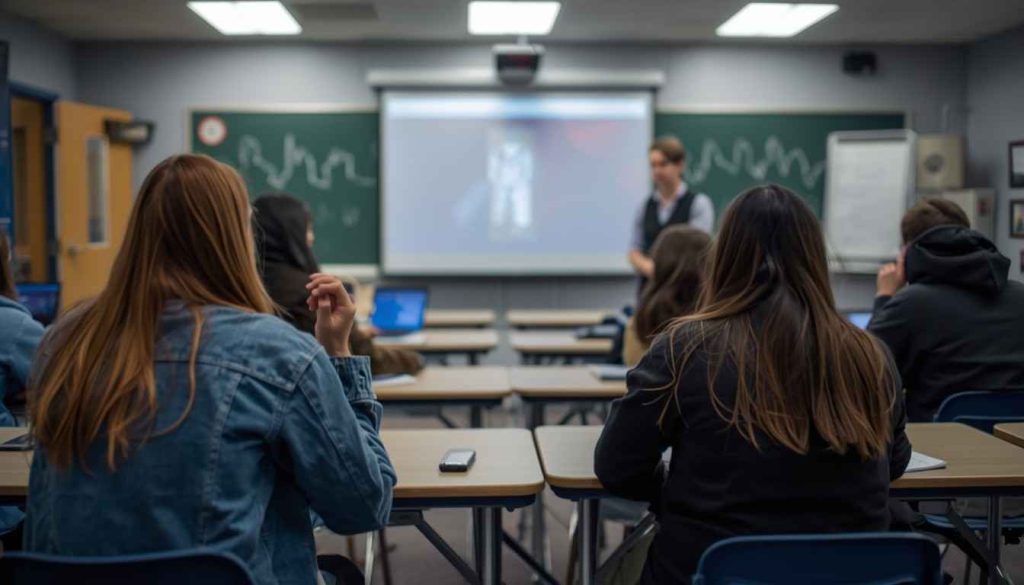
Looking Ahead: Skills for Tomorrow
As AI evolves, high school writing will too. It’s not about resisting change but adapting smartly.
Adapting to Tech in Classrooms
Future assignments might include “AI-assisted” projects, teaching how to use tools ethically. Think prompts like “Critique an AI-generated essay on your topic.” This preps kids for college and jobs where AI is standard.
Building Better Writers
Ultimately, the goal is stronger skills. By using AI wisely, students can experiment more, take risks, and refine their style. A resource like Khan Academy’s writing courses pairs well with AI for that extra polish.
The rise of these tools is reshaping high school writing in ways we couldn’t imagine a few years back. It’s boosted efficiency and creativity for many, but it’s also pushed us to rethink what authentic learning looks like. As tech keeps advancing, staying mindful will help students thrive, not just survive, their assignments.
Key Takeaways
- AI speeds up brainstorming, making idea generation less daunting.
- Research is faster but requires verification to avoid errors.
- Drafting tools help with edits, yet preserving personal voice is key.
- Ethical debates are ongoing, with schools setting boundaries.
- Future skills will blend AI use with critical thinking.
- Overall, it’s a tool, not a replacement for human effort.
FAQ
How do AI tools in high school writing help with brainstorming? They provide quick idea lists based on your prompt, like suggesting angles for an essay. It’s great for getting unstuck, but mix in your own twists for originality.
Are there risks to using AI tools in high school writing assignments? Yeah, like potential plagiarism or shallow research. Teachers often spot it, so use it as a helper, not the whole writer. Always cite if needed.
What are some popular AI tools in high school writing? Stuff like ChatGPT for ideas, Grammarly for edits, and QuillBot for paraphrasing. They’re free or cheap, but check school rules first.
Can AI tools in high school writing improve grades? Possibly, by polishing work and saving time. But real improvement comes from understanding the material yourself—AI’s just a boost.
How are teachers adapting to AI tools in high school writing? Many are incorporating guidelines, like allowing it for outlines but requiring original content. Some use it in lessons to teach ethics.
Do AI tools in high school writing make learning easier or harder? Easier in speed, but harder in staying authentic. It depends on how you use it—smartly, and it’s a win.