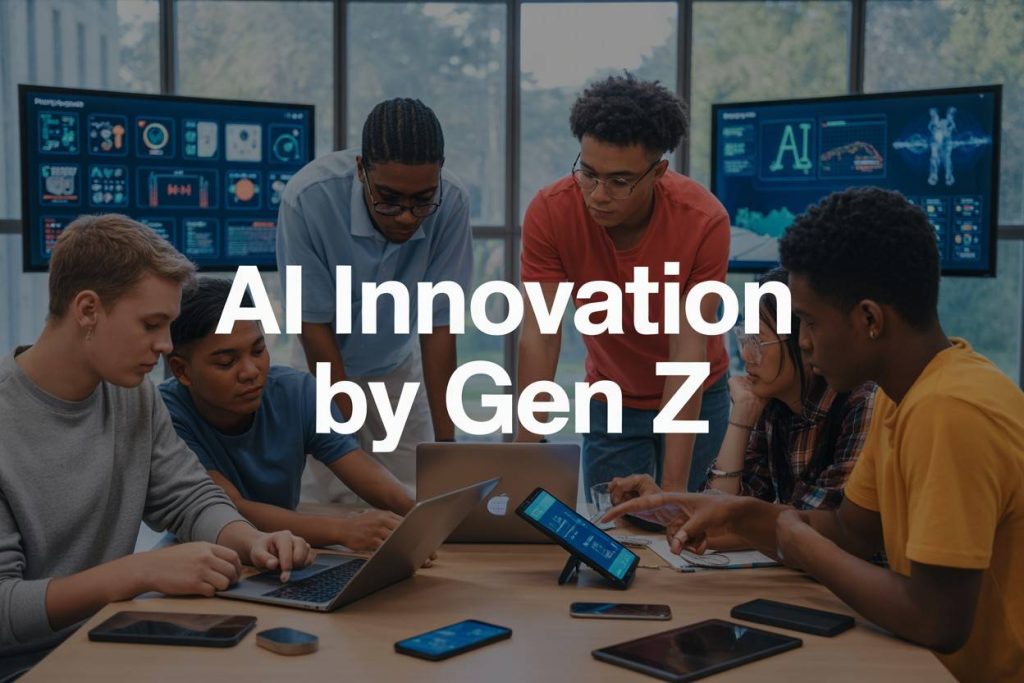
AI technology applications by younger generation are rapidly transforming industries, education, and everyday life, bringing innovative solutions to complex problems.
Young innovators are changing how we use AI technology in our daily lives. This guide is for educators, parents, young professionals, and anyone curious about the creative ways Gen Z and millennials are applying artificial intelligence to solve real problems.
The younger generation isn’t just consuming AI—they’re building with it. From students creating personalized learning apps to artists generating digital masterpieces, young people are finding fresh ways to use AI that older generations might never have considered.
We’ll explore how young innovators are using AI to transform education through adaptive learning platforms and personalized tutoring systems. You’ll also discover the creative revolution happening in digital art and content creation, where AI tools are helping young creators produce stunning visuals, music, and videos. Finally, we’ll look at practical applications in healthcare and environmental solutions, showing how young minds are tackling global challenges with AI-powered innovations.
Table of Contents
Educational Technology and Learning Enhancement
Personalized Learning Platforms That Adapt to Individual Student Pace
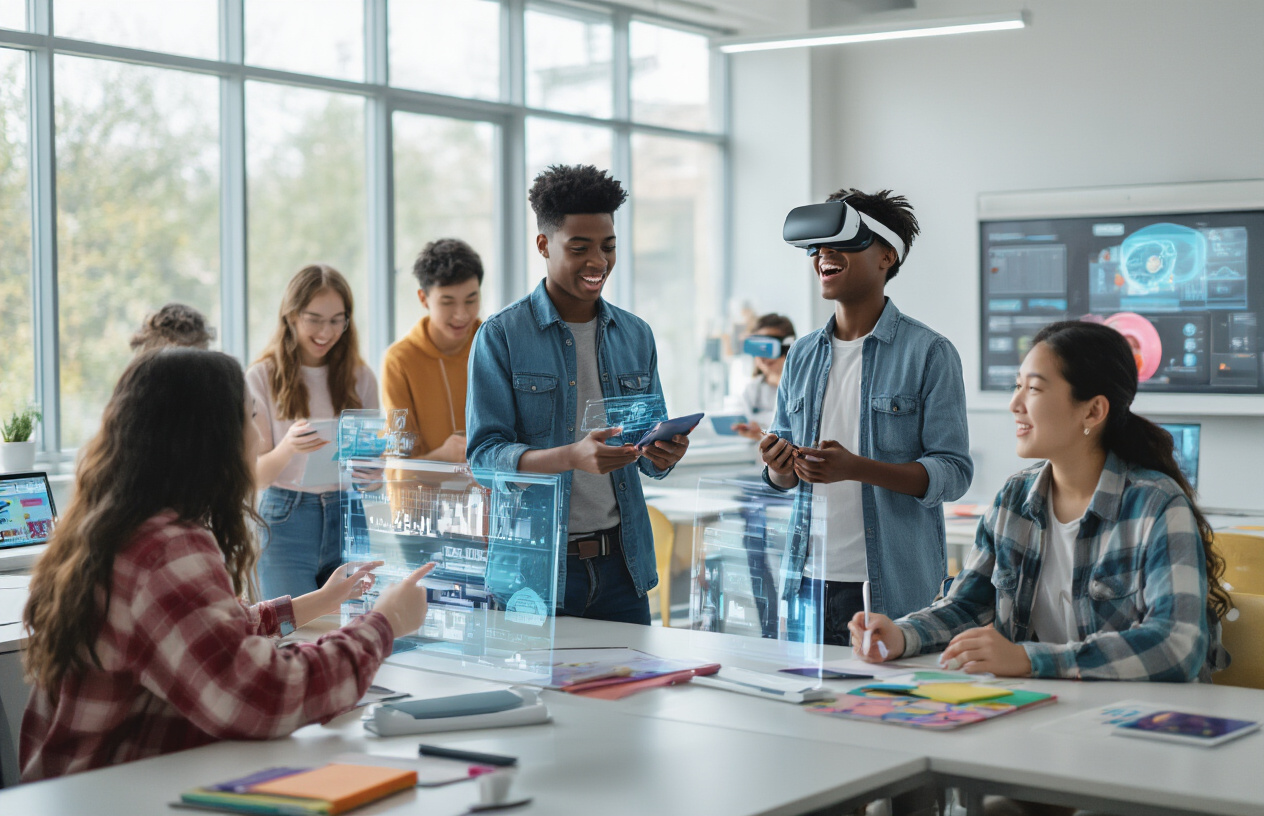
Young innovators have created learning platforms that actually get to know each student’s unique way of learning. These systems watch how fast someone picks up math concepts versus reading comprehension, then adjust the difficulty and pacing automatically. Students no longer feel left behind or bored because the AI keeps everyone in their sweet spot for learning.
Popular platforms like Khan Academy and Duolingo use algorithms that track which topics give you trouble and which ones you breeze through. If you’re struggling with fractions, the system will give you more practice problems and break things down into smaller steps. If you’re acing vocabulary but need help with grammar, it shifts focus accordingly. This kind of smart adaptation means students spend time on what they actually need to learn instead of sitting through lessons they already understand.
AI-Powered Tutoring Systems for 24/7 Academic Support
Round-the-clock help has become a reality thanks to AI tutoring systems that never sleep. These digital tutors can explain complex topics, work through practice problems, and answer questions at 3 AM when human tutors aren’t available. Students get instant feedback instead of waiting until the next class or office hours.
Systems like Socratic by Google and Photomath let students snap pictures of homework problems and get step-by-step explanations. The AI breaks down solutions in multiple ways until the student understands the concept. Some platforms even recognize when a student is getting frustrated and switch to a different teaching approach or suggest taking a break.
Language Learning Apps with Conversational AI Capabilities
Speaking practice has always been the hardest part of learning a new language, but AI conversation partners have changed that game completely. Apps now offer realistic chat sessions where students can practice speaking without feeling embarrassed about making mistakes in front of real people.
Babbel, HelloTalk, and similar apps use voice recognition to correct pronunciation and natural language processing to have actual conversations. The AI responds to what you say, asks follow-up questions, and even remembers previous conversations to build on topics you’ve discussed before. Students can practice ordering food in French, negotiating in Spanish, or having casual chats in Japanese anytime they want.
Automated Essay Grading and Feedback Systems
Writing feedback used to take teachers weeks to provide, but AI grading systems now give detailed comments within minutes. These tools don’t just check grammar and spelling – they analyze argument structure, evidence quality, and writing style to give meaningful suggestions for improvement.
Grammarly and Turnitin have evolved beyond simple error-catching to become writing coaches that help students develop better communication skills. The AI identifies weak transitions, suggests stronger word choices, and points out when arguments need more support. Students can revise their work multiple times and see their writing improve in real-time, making the learning process much more interactive and engaging.
Creative Content Generation and Digital Art

AI Music Composition Tools for Emerging Artists
Young musicians are transforming the creative landscape with AI-powered composition tools that democratize music production. Platforms like AIVA, Amper Music, and Boomy enable artists to generate original melodies, harmonies, and full arrangements without extensive musical training or expensive equipment. These tools analyze vast databases of musical patterns across genres, allowing users to create professional-sounding tracks in minutes rather than hours.
Bedroom producers and indie artists particularly benefit from AI assistance in breaking through creative blocks. When stuck on a chord progression or melody line, they can input their existing work and receive AI-generated variations that spark new ideas. Popular apps like Soundraw and Ecrett Music offer real-time collaboration between human creativity and machine learning, where artists maintain artistic control while leveraging AI’s pattern recognition capabilities.
The technology has opened doors for neurodivergent creators who might struggle with traditional composition methods but excel at conceptual thinking. AI tools can translate their musical ideas into notation or audio formats, bridging the gap between imagination and execution.
Digital Art Creation Platforms with Machine Learning Algorithms
Digital art has experienced a revolution through AI-powered platforms that expand creative possibilities beyond traditional boundaries. Tools like Midjourney, DALL-E, and Stable Diffusion allow young artists to generate stunning visuals from text descriptions, creating artwork that would typically require years of technical skill development.
Artists now blend human creativity with machine intelligence to produce hybrid works that push artistic boundaries. Platforms like RunwayML and Artbreeder enable real-time style transfer, where creators can apply the aesthetic of famous painters to their original concepts or merge multiple artistic styles into unique compositions.
Young designers use these tools for rapid prototyping in commercial projects, generating dozens of concept variations in the time it would traditionally take to create one. The technology particularly empowers artists with disabilities or limited access to traditional art supplies, providing equal creative opportunities regardless of physical constraints.
Machine learning algorithms in platforms like Adobe’s Sensei and Procreate Dreams learn from individual artistic styles, becoming personalized creative assistants that suggest color palettes, composition improvements, and finishing techniques based on the artist’s previous work.
Video Editing Software with Intelligent Automation Features
Video content creators leverage AI-driven editing software to produce professional-quality content with minimal technical expertise. Tools like Descript, Luma AI, and Runway offer automated features that handle time-consuming tasks like background removal, color correction, and audio synchronization.
Young TikTok creators and YouTube personalities use platforms like Pictory and InVideo to automatically generate video content from blog posts or scripts. These tools analyze text input and create corresponding visual sequences, matching stock footage or animations to narrative elements without manual searching and editing.
Real-time face tracking and motion capture technology in apps like Reface and FaceSwap enable creators to produce elaborate visual effects previously reserved for big-budget productions. AI-powered tools automatically adjust lighting, smooth transitions, and optimize audio levels, allowing creators to focus on storytelling rather than technical details.
Collaborative editing platforms incorporate machine learning to predict editing preferences, suggesting cuts and transitions based on the creator’s previous work patterns. This personalization accelerates the editing process while maintaining individual creative signatures across different projects.
Social Media and Communication Innovation
Advanced content moderation systems for safer online spaces
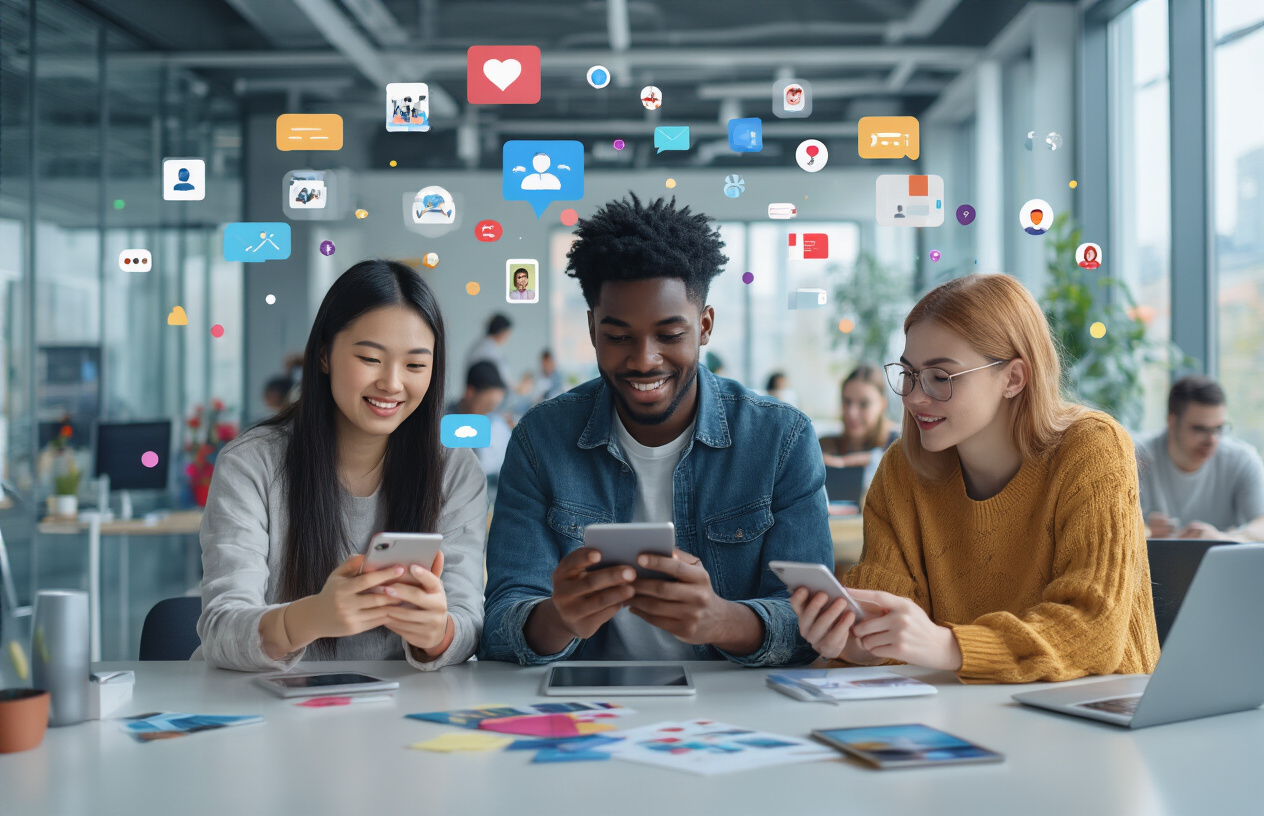
Young developers are creating sophisticated AI systems that can detect and filter harmful content faster and more accurately than ever before. These systems go beyond simple keyword filtering to understand context, sarcasm, and cultural nuances that traditional moderation tools miss. Machine learning models now analyze images, videos, and text simultaneously to identify cyberbullying, hate speech, and harassment patterns that human moderators might overlook.
The most innovative systems use natural language processing to understand intent behind messages, distinguishing between playful banter among friends and actual threats. Some platforms now deploy AI that can recognize when someone’s behavior suddenly shifts toward aggression, flagging potential mental health crises before they escalate. These tools also help identify coordinated harassment campaigns and bot networks spreading misinformation.
| Feature | Traditional Moderation | AI-Enhanced Moderation |
|---|---|---|
| Response Time | Hours to days | Seconds to minutes |
| Context Understanding | Limited | Advanced |
| Language Support | Major languages only | 100+ languages |
| Pattern Recognition | Basic | Sophisticated |
Real-time language translation for global connectivity
Breaking down language barriers has become one of AI’s most transformative applications in social media. Young innovators have developed translation tools that work seamlessly within chat applications, video calls, and live streams. These systems don’t just translate words—they preserve tone, cultural context, and even humor across languages.
Modern AI translation recognizes slang, regional dialects, and internet-specific language that changes rapidly. Apps like Discord and Instagram now offer real-time voice translation during video calls, allowing people from different countries to have natural conversations without switching between languages. The technology has evolved to handle visual content too, translating text in images and memes instantly.
Gaming communities benefit enormously from these advances. Players from Japan, Brazil, and Germany can team up and strategize together without language being a barrier. The AI learns gaming terminology and adapts to specific community jargon, making communication feel natural rather than robotic.
AI-driven social networking algorithms for meaningful connections
The next generation is reshaping how social networks connect people by moving beyond engagement-based algorithms toward systems that prioritize genuine relationships and shared interests. These new algorithms analyze communication patterns, mutual friends, and activity overlap to suggest connections that lead to lasting friendships rather than superficial interactions.
AI now evaluates the quality of interactions between users, recognizing when conversations lead to offline meetups, collaborative projects, or long-term friendships. The systems identify shared hobbies, career interests, and life experiences to create more meaningful matches. Some platforms use sentiment analysis to understand when users feel lonely or isolated, gently suggesting communities or individuals who might provide support.
These algorithms also help reduce echo chambers by introducing users to diverse perspectives in constructive ways. They identify common ground between people with different viewpoints, facilitating respectful dialogue rather than divisive arguments.
Automated content creation tools for influencers and creators
Content creators now have access to AI tools that handle time-consuming tasks like video editing, thumbnail generation, and social media scheduling. These systems learn individual creator styles and can produce content that matches their unique voice and aesthetic preferences. Young entrepreneurs have built platforms that can generate multiple video variations from a single recording, complete with different transitions, music, and visual effects.
AI writing assistants help creators brainstorm content ideas, write engaging captions, and even script videos based on trending topics and audience preferences. Image generation tools create custom graphics, logos, and artwork in seconds, allowing creators to maintain consistent visual branding without expensive design software or professional skills.
The most advanced tools analyze audience engagement patterns to predict which content will perform best at specific times. They automatically adjust posting schedules, suggest hashtags, and even modify content formatting based on platform-specific algorithms. This automation frees creators to focus on storytelling and community building rather than technical optimization.
Healthcare and Wellness Applications

Mental Health Chatbots Providing Immediate Emotional Support
Young developers have created AI-powered mental health chatbots that offer 24/7 emotional support when traditional therapy isn’t accessible. Apps like Woebot and Replika use conversational AI to provide cognitive behavioral therapy techniques, mood tracking, and crisis intervention. These chatbots recognize emotional distress patterns through text analysis and respond with evidence-based therapeutic approaches. Students dealing with anxiety, depression, or academic stress can access immediate support without waiting weeks for appointments or worrying about stigma. The AI learns individual communication styles and triggers, personalizing responses to each user’s specific mental health journey.
Fitness Tracking Apps with Personalized Workout Recommendations
AI-driven fitness applications now create highly customized workout plans by analyzing user data, preferences, and physical limitations. Apps like Freeletics and Fitbod use machine learning algorithms to adjust exercise intensity, duration, and type based on performance feedback and recovery patterns. The technology considers factors like available equipment, time constraints, fitness goals, and previous workout results to generate optimal training sessions. Young fitness enthusiasts benefit from having a virtual personal trainer that adapts in real-time, preventing plateaus and reducing injury risk through smart progression algorithms.
Medical Diagnosis Assistance Tools for Remote Healthcare
Tech-savvy young entrepreneurs have developed AI diagnostic tools that help bridge healthcare gaps in underserved communities. Platforms like Ada Health and Babylon Health use symptom checker algorithms to provide preliminary medical assessments and triage recommendations. These tools analyze user-reported symptoms against vast medical databases, helping users determine urgency levels and appropriate care pathways. Medical students and young healthcare workers leverage these AI assistants to support clinical decision-making, especially in rural or resource-limited settings where specialist consultations aren’t readily available.
Nutrition Planning Systems Based on Individual Health Data
AI nutrition apps like MyFitnessPal Premium and Noom have transformed how young people approach dietary planning by integrating personal health metrics, food preferences, and lifestyle factors. These systems analyze biomarkers, activity levels, metabolic rates, and health goals to create personalized meal plans and nutritional recommendations. The AI considers allergies, dietary restrictions, budget constraints, and cooking skills to suggest realistic meal options. Machine learning algorithms track how different foods affect individual energy levels, weight management, and overall health outcomes, continuously refining recommendations for optimal nutritional balance.
Sleep Optimization Apps Using Behavioral Pattern Analysis
Sleep-focused AI applications developed by young innovators use behavioral pattern recognition to improve sleep quality and duration. Apps like Sleep Cycle and Oura Ring integrate with wearable devices to monitor sleep stages, heart rate variability, and environmental factors affecting rest quality. The AI identifies patterns between daily activities, screen time, caffeine consumption, and sleep outcomes, providing personalized recommendations for better sleep hygiene. These systems learn individual circadian rhythms and suggest optimal bedtimes, wake-up times, and pre-sleep routines to maximize restorative sleep and daytime alertness.
Environmental Solutions and Sustainability
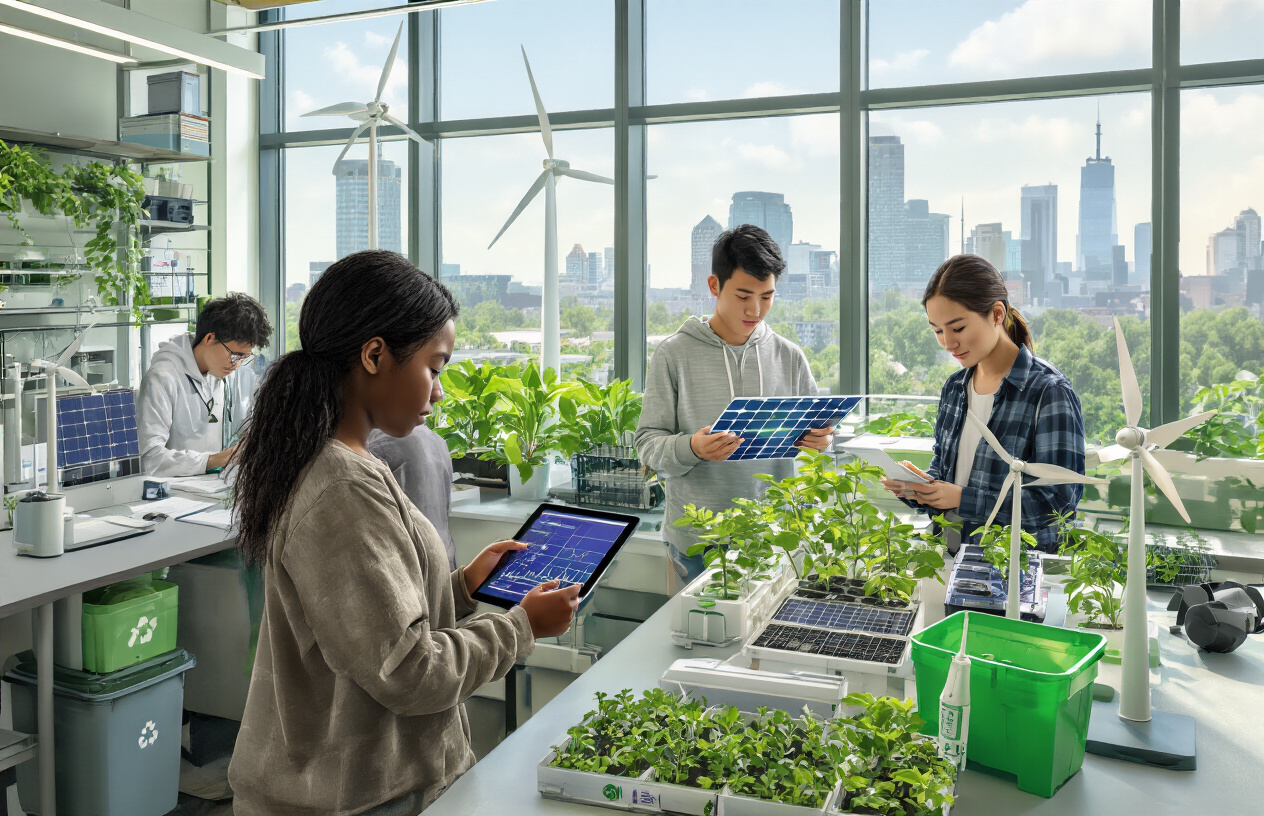
Smart home energy management systems for reduced consumption
Young innovators are creating intelligent home systems that automatically adjust energy usage based on real-time data and user preferences. These platforms learn household patterns and optimize heating, cooling, and lighting schedules to minimize waste. Students at universities worldwide have developed apps that connect with smart thermostats, LED systems, and appliances to create personalized energy profiles.
Popular solutions include AI-powered systems that predict peak usage times and shift non-essential activities to off-peak hours. Some applications can reduce household energy consumption by 15-30% through automated adjustments and behavioral nudges. Young developers are also integrating renewable energy sources like solar panels into these systems, creating closed-loop management that maximizes clean energy usage.
Waste sorting and recycling optimization platforms
Computer vision technology developed by young engineers is transforming how we handle waste separation. Mobile apps now use camera recognition to identify materials and provide instant sorting guidance. University students have created platforms that gamify recycling through point systems and community challenges.
Advanced systems track waste patterns at the household and neighborhood level, helping municipalities optimize collection routes and processing facilities. Some applications connect users with local recycling centers and provide real-time updates on material acceptance policies. Young developers are also building marketplace features that help people repurpose items rather than discard them.
Carbon footprint tracking applications with actionable insights
Digital natives are building sophisticated tools that monitor personal and household carbon emissions across transportation, energy use, food consumption, and shopping habits. These applications sync with bank accounts, travel apps, and utility bills to provide comprehensive impact assessments.
The most effective platforms offer specific, achievable reduction strategies rather than overwhelming users with data. Young creators focus on social features that allow friends and families to share progress and compete in sustainability challenges. Many apps connect users with local green alternatives and provide cost-benefit analyses for eco-friendly choices.
Climate change prediction models for community planning
Young climate scientists and data analysts are developing hyper-local prediction models that help communities prepare for environmental changes. These tools analyze historical weather patterns, sea level trends, and temperature fluctuations to forecast regional impacts over the next 10-50 years.
Student-led projects focus on making complex climate data accessible to local governments and community organizations. Interactive dashboards show potential flooding zones, drought risks, and extreme weather probabilities specific to individual neighborhoods. These platforms help communities make informed decisions about infrastructure investments, emergency preparedness, and long-term development planning.
Financial Management and Career Development

Investment Advisory Platforms Tailored for Young Professionals
Young entrepreneurs and tech-savvy professionals have created investment platforms that speak their generation’s language. These platforms break down traditional barriers that made investing feel intimidating or exclusive to older demographics. Apps like Acorns and Stash allow users to start investing with spare change from everyday purchases, making the stock market accessible even on entry-level salaries.
Robo-advisors powered by machine learning algorithms analyze spending patterns, risk tolerance, and financial goals to create personalized investment portfolios. These platforms often gamify the investment experience, using progress bars, achievement badges, and educational content that feels more like social media than traditional financial services.
Many young-led companies focus on socially responsible investing, allowing users to align their portfolios with their values. These platforms provide transparent information about environmental, social, and governance (ESG) factors, making it easy to invest in companies that match personal beliefs about climate change, diversity, and corporate responsibility.
The fees are typically lower than traditional financial advisors, and the interfaces are designed with smartphone-first users in mind. Real-time notifications, educational content delivered through bite-sized videos, and community features where users can discuss investment strategies create an engaging ecosystem that encourages long-term financial planning.
Automated Budget Planning and Expense Tracking Tools
Young developers have transformed personal finance management by creating intuitive apps that automatically categorize expenses and provide real-time spending insights. These tools connect directly to bank accounts and credit cards, eliminating the tedious manual entry that previous generations had to endure with spreadsheets or basic budgeting software.
AI-powered expense tracking goes beyond simple categorization. These apps learn individual spending patterns and can predict future expenses, warn users about potential overspending, and suggest areas where money could be saved. Some apps even analyze subscription services and highlight unused or redundant subscriptions that drain monthly budgets.
Popular platforms like Mint, YNAB (You Need A Budget), and PocketGuard offer features specifically designed for young adults dealing with student loans, irregular gig economy income, and shared expenses with roommates. The apps can split bills automatically, track group expenses, and even negotiate better rates on recurring services like phone plans and insurance.
Visual representations of spending habits through charts, graphs, and heat maps make financial data digestible and actionable. Push notifications about spending limits, bill due dates, and savings milestones help users stay on track without the stress of constantly monitoring their finances manually.
Career Guidance Systems Matching Skills with Opportunities
AI-driven career platforms developed by young innovators are revolutionizing how people navigate professional development. These systems analyze individual skills, work experience, and career aspirations to suggest personalized growth paths and job opportunities that might not appear through traditional job search methods.
Platforms like LinkedIn’s career insights, Coursera’s career guidance, and newer entrants like Sokanu use machine learning to identify skill gaps and recommend specific courses, certifications, or experiences needed to reach career goals. These tools consider market trends, salary data, and industry growth projections to provide realistic timelines and expectations.
Many platforms incorporate peer networking features, connecting users with professionals in their desired fields for informational interviews and mentorship opportunities. The systems can identify alumni networks, industry contacts, and potential collaborators based on shared interests, educational backgrounds, or career trajectories.
Real-time job market analysis helps users understand which skills are in demand and how their current qualifications stack up against market needs. Some platforms even simulate different career paths, showing potential salary progressions, required time investments, and likelihood of success based on individual profiles and market conditions.
These tools democratize career guidance that was once only available through expensive career counselors or exclusive networking events, making professional development accessible to anyone with internet access.

Young people are leading the charge in finding creative ways to use AI that go way beyond what tech companies originally imagined. They’re turning artificial intelligence into their personal tutor, creative partner, and problem-solving companion. From AI-powered study apps that adapt to their learning style to tools that help them create stunning digital art, students and young professionals are discovering applications that make their daily lives more productive and exciting.
The most exciting part is how they’re tackling real-world problems with these technologies. Young innovators are building AI solutions for mental health support, creating apps that track carbon footprints, and developing smart budgeting tools that actually understand their financial goals. If you’re looking to explore AI yourself, start small – try an AI writing assistant for your next project or experiment with an app that helps you learn a new skill. The younger generation has shown us that AI isn’t just for tech giants; it’s a powerful tool that anyone can use to solve problems and unleash their creativity.
FAQ: AI Technology Applications by Younger Generation
Q1: What are some examples of AI technology applications by younger generation?
A1: AI technology applications by younger generation include smart education apps, social media analytics tools, automated content creation, and innovative healthcare solutions.
Q2: How are AI technology applications by younger generation transforming industries?
A2: These AI technology applications by younger generation help businesses improve efficiency, automate repetitive tasks, and create data-driven strategies.
Q3: Why are AI technology applications by younger generation important for the future?
A3: AI technology applications by younger generation drive innovation, bridge skill gaps, and prepare industries for more advanced, automated solutions.
Q4: Where can AI technology applications by younger generation be applied?
A4: They can be applied in education, healthcare, marketing, research, finance, and technology development.
Q5: What skills do young innovators need for AI technology applications?
A5: Young innovators need coding, data analysis, machine learning, creativity, and problem-solving skills to develop AI technology applications by younger generation.
Q6: How do AI technology applications by younger generation impact education?
A6: They enable personalized learning, intelligent tutoring systems, and automated grading, making education more engaging and effective.
Q7: Can AI technology applications by younger generation improve healthcare?
A7: Yes, they help with predictive diagnostics, patient data management, and AI-driven treatment recommendations.
Q8: Are AI technology applications by younger generation accessible to small businesses?
A8: Absolutely, small businesses can leverage AI tools for marketing automation, data analysis, and workflow optimization.
Q9: How do AI technology applications by younger generation influence social media?
A9: They power content recommendation engines, audience analytics, and automated content creation for more engaging social media strategies.
Q10: What challenges exist in AI technology applications by younger generation?
A10: Challenges include ethical considerations, data privacy, technical skills gap, and the need for continuous learning to keep up with AI advances.