

Ever wondered how that smart fridge suggesting recipes or your phone predicting your next move isn’t just cool tech anymore—it’s reshaping how we go about our days? In 2026, the AI impact on daily life feels more like a quiet revolution than a sci-fi plot. From healthcare tweaks that save time to work hacks that make Mondays less dreadful, AI is sneaking into the ordinary in ways that surprise even the skeptics. Let’s break it down with some real talk on what’s changing right now.
Key Points:
- Healthcare Helpers: AI’s diagnosing rare stuff faster, but it’s not replacing docs—think of it as a super-smart sidekick that might close health gaps for millions.
- Work Smarter, Not Harder: Agents handle the grunt work, boosting productivity by up to 40%, though job shifts are real and need watching.
- Everyday Efficiency: From personalized shopping to adaptive games, AI’s making routines smoother, with 77% of devices already packing some form.
- Ethical Bumps Ahead: Privacy concerns and backlash are growing, pushing for better regs—research suggests balanced views to avoid overhyping risks.
- Creative Boosts: Video and content gen are exploding, but authenticity’s becoming premium to cut through the noise.
These shifts seem likely based on current trends, though experts note AI’s gains are moderate in many spots. It leans toward enhancing life without total takeover, keeping things human-centered amid debates.
Quick Stats on AI Adoption
Here’s a snapshot in a table for clarity:
| Area | Stat | Impact |
|---|---|---|
| Business | 77% of companies using/exploring AI | Speeds up decisions, but watch for ROI |
| Jobs | Net gain of 12M jobs by 2025 (extending to ’26) | More roles in AI ethics, fewer in routine tasks |
| Daily Use | 55% of Americans regularly use AI | From emails to fitness trackers |
| Concerns | 78% see benefits > risks | But 80% worry about cyber misuse |
Sources point to younger folks leading the charge, with Gen Z more excited than boomers. It’s complex—AI empowers, yet calls for transparency to build trust.
Why This Matters Now
Picture this: You’re rushing to work, and your car not only navigates traffic but chats about optimizing your route based on your mood from voice cues. That’s the AI impact on daily life hitting home. Studies show 90% report better efficiency, but it’s not all smooth—some feel it’s intrusive. Evidence leans toward positive tweaks if we handle the downsides smartly.
For more on tech trends, check out our piece on how quantum computing is emerging.
Look, I’ve been digging into this whole AI thing for a while now, and honestly, it’s wild how it’s not just buzz anymore—it’s in our pockets, our jobs, even our doctor’s offices. Back when I first started noticing it, like with those voice assistants that actually understand my mumbles, I thought it was gimmicky. But fast forward to 2026, and the AI impact on daily life? It’s like that friend who shows up uninvited but ends up fixing your leaky faucet. Surprising, helpful, sometimes a bit messy. We’ll chat about the top ways it’s shaking things up, from health to hobbies, with some real examples thrown in because, hey, who wants dry facts without the juice?
First off, let’s get this out there: AI isn’t taking over the world like some movies suggest. Experts from places like Stanford are saying it’s more about practical boosts—think moderate productivity jumps in coding or customer service, not robot overlords. But yeah, there’s backlash too; folks are worried about jobs and privacy, and that’s fair. Research suggests we need better rules to keep it balanced. Anyway, onto the meat of it.
Table of Contents
Introduction: Waking Up to AI in 2026
You know that moment when you grab your phone first thing in the morning, and it already knows you need coffee stats or traffic updates? That’s the AI impact on daily life kicking in, and in 2026, it’s ramped up. Stats show 77% of devices have AI baked in, but only a third of folks realize it—crazy, right? Younger crowds like millennials are all over it for quick tasks, while boomers are warming up slower. It’s not perfect; surveys say 50% view it optimistically, but concerns about cyber stuff linger. Still, it’s transforming how we live without much fanfare, from better searches to health tips. And get this: by now, AI’s projected to add trillions to the economy, but the real win is in those little daily wins.
For deeper dives, see our related post on AI ethics in tech.
AI in Healthcare: From Diagnosis to Daily Wellness
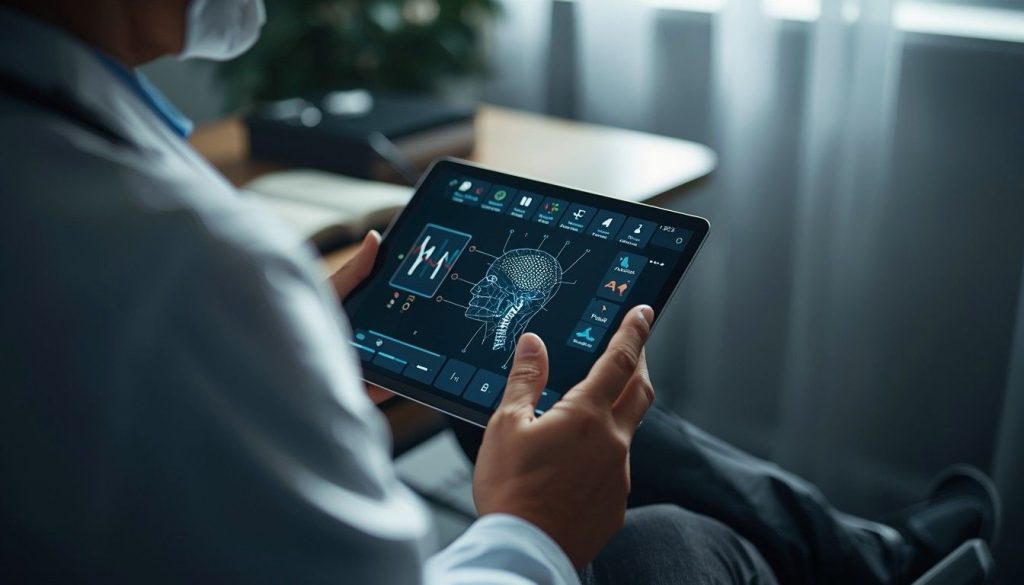
Man, if there’s one area where the AI impact on daily life hits close to home, it’s health. Remember waiting forever for test results? AI’s speeding that up big time.
Closing the Global Health Gap
In 2026, AI’s tackling shortages—think 11 million health workers missing worldwide. Tools like diagnostic orchestrators nail complex cases at 85.5% accuracy, way above the doc average. It’s not replacing humans; it’s amplifying them, especially in remote spots. Curtis Langlotz from Stanford mentions self-supervised models pulling insights from tiny datasets for rare diseases. I’ve seen stories where folks in rural U.S. get faster oncology advice, shrinking that urban-rural divide. But hey, hospitals are swamped with AI startups, so they’re building vetting frameworks to cut the noise.
Personalized Care at Your Fingertips
On the personal side, apps summarize lit or answer queries directly—free ones, even. Nigam Shah notes we’re reflecting on what we want from AI, like transparency in decisions. Wearables track fitness for 50% of users, suggesting tweaks based on your data. It’s empathetic too; AI chats help with mental health check-ins, though experts warn it’s no sub for pros. Overall, it seems likely this empowers patients, but with hedges on data safety.
AI at Work: Your New Digital Sidekick
Work’s where AI really flexes. 60% of bosses think it’ll amp productivity, and they’re not wrong—40% gains reported.
Boosting Productivity Without the Burnout
AI’s in emails (78% use spam filters), chatbots (62%), and more. It summarizes long docs or preps interviews for 30% of folks. In coding, “repository intelligence” catches errors by understanding code history—huge for devs juggling billions of commits. Businesses see ROI like $3.70 per dollar invested. But it’s uneven; some tasks get tedious, per Angèle Christin. Relatable? I once used it to draft reports, saving hours but tweaking for my voice.
The Rise of AI Agents
These proactive bots handle multi-steps, like booking trips (38% use AI for that). In 2026, they’re digital coworkers with safeguards—limited access, threat detection. Aparna Chennapragada says it’s about amplifying humans. In business, a small team launches campaigns fast; in education, it customizes plans. But job fears? 52% worry about replacement, though net gains predicted at 12M roles.
Check this YouTube vid for more: VIDEO, it’s got shocking predictions that tie right in.
AI in Entertainment and Creativity: Fun Gets Smarter
Leisure’s getting a glow-up. AI’s blurring human-machine lines, but in cool ways.
Generative Video and Gaming Evolves
Big shows use gen AI for effects, cutting costs like in Netflix series. In games, adaptive stories respond to you—immersive! It impacts daily downtime; personalized narratives keep you hooked longer. But copyright conundrums are real; lawsuits push for fair pay.
Authenticity in a Sea of Synthetics
With floods of AI content, human-made stuff’s premium. Brands skip AI for trust. It’s unpredictable—some love the ease for social posts (25%), others crave real vibes.
Everyday Conveniences: AI in Home and Habits
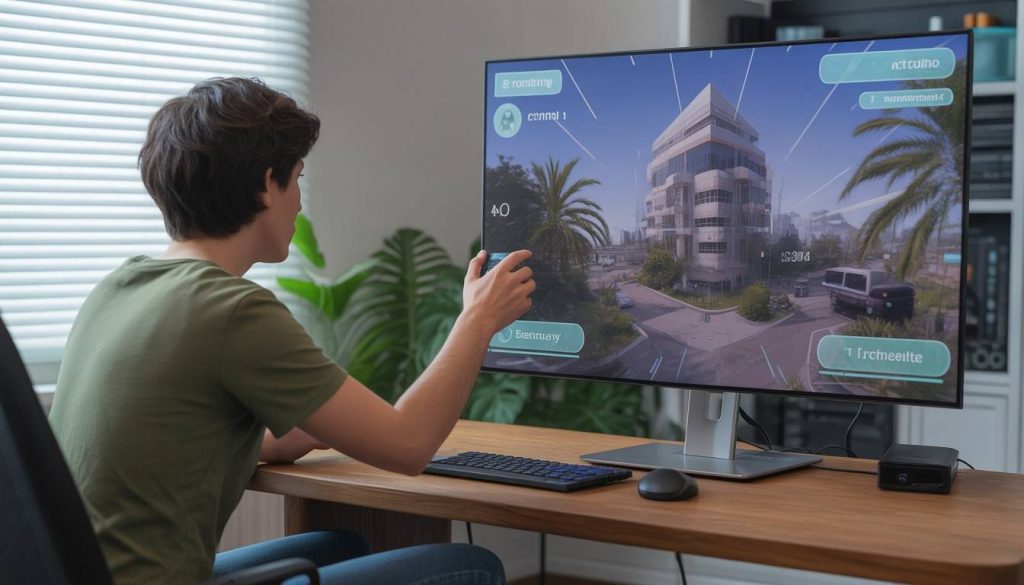
Home’s smarter. 61% use virtual assistants; they suggest recipes or schedules.
Smart Homes and Personal Assistants
Edge AI processes on-device for privacy—Apple-style. It learns your habits, like optimizing energy. Fun example: AI in robotics for home help, per trends.
Ethical Twists and Privacy Pushes
Backlash on costs/jobs grows; regulations loom. 85% want safe AI efforts. It’s honest: benefits outweigh risks for 78%, but transparency’s key.
For similar reads, hit up future tech gadgets.
Challenges and the Road Ahead
Not all rosy—environmental hits from training, data scarcity leading to smaller models. Stanford predicts no AGI, more “AI archaeology” to open black boxes. Bubbles in investments might pop, but infrastructure’s getting efficient. Society-wise, it’s complex; evidence leans toward net positives if we adapt skills. Controversies? Job shifts favor blue-collar revivals, per some views. Keep an eye on counterarguments like over-reliance risks.
As we wrap this up, it’s clear the AI impact on daily life in 2026 is more evolution than explosion. We’ve got tools making life easier, but staying human-centered matters. It’s exciting, a tad scary, but mostly promising if we steer it right.
Key Takeaways
- AI boosts health access but needs vetting.
- Work agents save time, create ethics jobs.
- Entertainment’s personalized, authenticity reigns.
- Daily habits smoother with privacy focus.
- Balance hype with real measures for trust.
FAQ
How is the AI impact on daily life affecting jobs in 2026? It varies—some routine tasks automate, but new roles in AI management pop up. Net gain expected, though reskilling’s key.
What’s a surprising AI impact on daily life for health? AI triages symptoms accurately, helping in underserved areas without docs.
Can AI really change my entertainment routine? Yeah, think adaptive games and quick video edits—makes hobbies more fun, less effort.
Is the AI impact on daily life safe privacy-wise? Mostly, with on-device processing, but always check settings; regs are tightening.
How does AI impact on daily life help with creativity? It generates ideas fast, but human touch keeps it authentic—great for brainstorming.
What’s next for AI impact on daily life? More agents, quantum hybrids—faster breakthroughs in science and work.
Key Citations: