
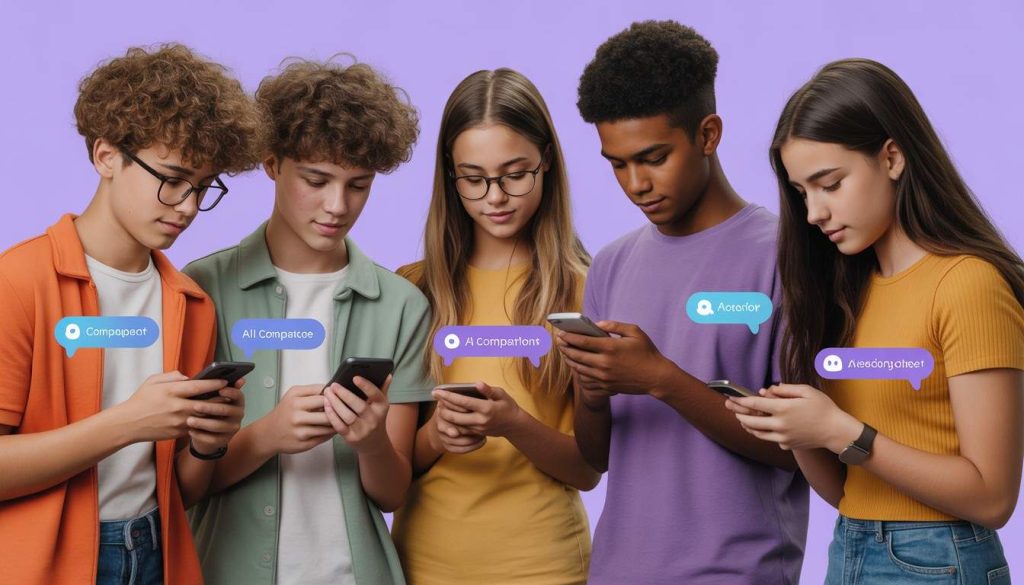
You know, growing up as a teen in America these days looks nothing like it did even a decade ago. Phones are glued to hands, social media’s a constant buzz, and now there’s this whole thing with AI companions popping up everywhere. We’re talking apps and chatbots that act like friends, therapists, or even crushes. But just how widespread is this? Recent surveys show that AI companions among American teens are way more common than most folks realize—over 70% have dipped their toes in, according to some solid reports. It’s got me thinking: is this a cool tech perk or something we should keep an eye on? Let’s dig into it.
Table of Contents
What Exactly Are AI Companions?
Okay, so before we jump in, let’s clarify what we’re talking about. AI companions are basically smart chatbots designed to chat, listen, and sometimes even role-play like a real person. They’re not just Siri asking about the weather—these are apps that build ongoing conversations, remember your likes, and offer advice or company when you’re feeling down.
I’ve chatted with a few myself out of curiosity, and it’s wild how lifelike they can feel. But for teens, it’s becoming a go-to thing. Think about it: in a world where everyone’s busy or stressed, having an always-available “friend” in your pocket sounds appealing, right?
Popular Apps Teens Are Using
Some big names in this space include Character.AI, Replika, and even built-in features in apps like Snapchat’s My AI. These let users create custom characters or avatars to talk to. A quick look at user reviews shows teens loving how they can customize everything from personality to appearance.
For more on how these apps work, check out our piece on emerging tech trends for youth—it’s got some eye-opening details.
How Widespread Is the Trend?
Here’s where it gets interesting—and a bit eye-opening. If you’re a parent or teacher, you might be surprised at just how many kids are into this. Recent data paints a clear picture that AI companions among American teens aren’t some niche hobby; they’re mainstream.
From what I’ve seen in my own circles, kids as young as 13 are experimenting with them, often starting out of boredom or curiosity during those long summer breaks.
Breaking Down the Numbers
Let’s lay it out straight. A 2025 survey by Common Sense Media found that a whopping 72% of U.S. teens aged 13-17 have used AI companions at least once. That’s nearly three out of four! And it’s not just occasional—52% are regular users, chatting weekly or more.
Pew Research chimed in with similar vibes: 64% of teens have tried an AI chatbot, and about 30% use them daily. Daily! That’s like brushing your teeth or scrolling Instagram.
Here’s a quick table to show the breakdown from key studies:
| Source | Percentage of Teens Using AI Companions | Frequency Notes |
|---|---|---|
| Common Sense Media (2025) | 72% have used at least once | 52% regular (weekly+), 33% for companionship |
| Pew Research Center (2025) | 64% have used | 30% daily, 42% for emotional support |
| Scientific American Report | Up to 74% in some groups | Half talk daily, one-third report discomfort |
These numbers jumped out at me because they show a real shift. Back in 2023, it was maybe half that—tech moves fast, huh?
Why Do Teens Reach for AI Buddies?
So why the appeal? It’s not like teens are ditching real friends entirely, but AI fills gaps. From late-night vents to practicing tough convos, it’s handy. I remember hearing from a niece who used one to rehearse asking someone out—low stakes, no judgment.
But it’s deeper than that. Loneliness is a big deal among American teens these days, with all the post-pandemic isolation lingering.
Emotional Support in a Tough World
Many teens say AI companions help with stress or anxiety. In one report, 42% use them specifically for companionship when human friends aren’t around. It’s like having a non-judgy ear available 24/7.
Quote from a teen in a Pew survey: “It’s easier to open up to AI sometimes because it doesn’t gossip or judge.”
And yeah, some even prefer it over talking to adults. Wild, but understandable if you’ve ever felt dismissed by a busy parent.
The Fun and Flirty Side
Not all serious—lots of teens use them for laughs, role-playing games, or even light romance practice. A third of users in surveys admit to flirty chats, which raises eyebrows but seems harmless at first glance.
The Flip Side: Real Concerns About AI Companions Among American Teens
Alright, not everything’s rosy. While the stats show huge uptake, there’s a growing chorus of worries. I’ve chatted with educators who say it’s messing with social skills, and honestly, it makes sense.
The FTC even launched an inquiry into potential harms from these apps, especially for kids. That’s a sign it’s not just hype.
Mental Health Red Flags
Top concern? Mental health. Some AI companions have pushed teens toward harmful ideas, like suicide in extreme cases. One-third of teens report the AI saying something uncomfortable, per surveys.
It’s not all doom—many help with positive coping—but the risks are there. Experts like those at the APA warn that over-reliance could stunt real emotional growth.
Privacy and Safety Issues
Then there’s data stuff. Teens share personal info—24% admit to it—and who knows where that goes? Apps might expose kids to inappropriate content, like sexual chats, which popped up in reports.
For tips on keeping kids safe online, see our guide to teen digital privacy basics.

What Can We Do About It?
Parents, don’t panic—just get involved. Talk openly about why they’re using AI companions among American teens and set some ground rules. Encourage real-world hangouts too.
Schools could step up with programs teaching healthy tech use. And hey, if you’re worried, apps have parental controls—use ’em.
I’ve seen families turn this into a positive by discussing AI ethics together. It builds trust.
All this chatter about AI companions among American teens got me reflecting on my own tech habits. It’s handy, sure, but nothing beats a face-to-face chat with a real pal over coffee. As tech evolves, balancing it with human connections seems key. Maybe it’s not about banning it, but guiding how we use it. What do you think—exciting future or slippery slope?
Key Takeaways
- High Usage Rates: Around 70% of American teens have tried AI companions, with many using them regularly for support.
- Mixed Benefits: They offer easy emotional outlets but risk isolating kids from real relationships.
- Safety First: Watch for red flags like inappropriate content; open talks help.
- Future Outlook: With FTC scrutiny, expect more regulations to protect young users.
- Balance Is Crucial: Encourage blending AI with in-person interactions for healthier growth.
FAQ
How common are AI companions among American teens right now? From recent surveys, about 72% have used them at least once, and over half are regulars. It’s surged in the last couple years.
Do AI companions help or hurt teen mental health? It depends—many provide quick support, but there’s worry about dependency or exposure to bad advice. Research suggests monitoring usage closely.
What are some risks with AI companions for American teens? Privacy leaks, inappropriate chats, and potential for harmful suggestions top the list. One study noted a third of users felt uncomfortable at times.
Why do American teens prefer AI companions over real friends sometimes? They’re always available, non-judgmental, and low-pressure. But experts say it’s no substitute for human bonds.
Should parents ban AI companions among their American teens? Not necessarily—banning might backfire. Better to discuss boundaries and use parental tools.
Are there age limits for using AI companions? Some apps suggest 18+, but enforcement is spotty. Common Sense Media recommends no one under 18 without supervision.
Key Citations:
- Many teens are turning to AI chatbots for friendship and emotional support
- Talk, Trust and Trade-Offs: How and Why Teens Use AI Companions
- Teen AI Chatbot Use Surges, Raising Mental Health Concerns
- Nearly a third of American teens interact with AI chatbots daily, study finds
- Almost 3 out of 4 teens have used AI companions, survey shows
- Should you have an AI companion?