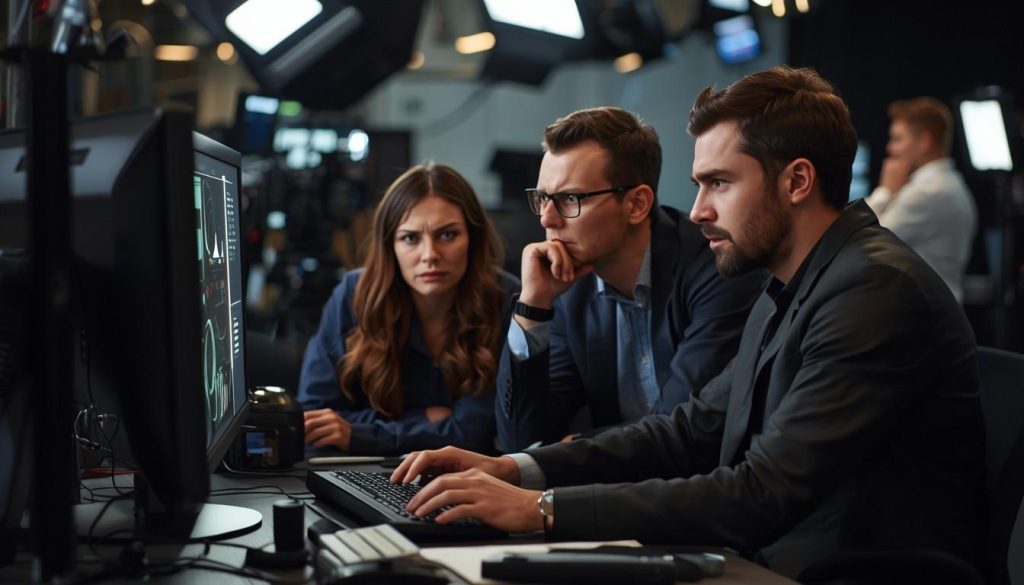
Look, television production is evolving fast, and AI tools in television production are popping up everywhere, promising to make things quicker and cheaper. But just because something’s high-tech doesn’t mean it’s always a good fit. I’ve seen crews get excited about these gadgets, only to regret it later when things feel off or outright fake. In this piece, we’re diving into five dangerous AI tools in television production that I think should stay on the shelf – even if your network or studio says AI is fine to use. It’s not about hating on tech; it’s about keeping TV real and respectful to the people making it and watching it. From my chats with folks in the industry, these tools often cause more headaches than they solve, messing with ethics, creativity, and even legal stuff.
Table of Contents
Why Some AI Tools in Television Production Cross the Line
AI tools in television production can be game-changers for stuff like quick edits or data crunching, but some go too far. They start replacing the heart of what makes TV special – that unpredictable human touch. Think about it: TV isn’t just content; it’s stories that connect on a gut level.
The Ethics Angle
Ethics isn’t just buzzword bingo. When AI tools in television production manipulate reality too much, it blurs lines. For instance, if a tool recreates a deceased actor’s likeness without family okay, that’s creepy and wrong. I’ve heard from producers who skipped these for moral reasons, and their shows felt more genuine because of it.
Impact on Jobs and Creativity
Jobs are a big deal here. AI tools in television production might cut costs, but they also sideline talented folks. Writers, editors – they’re not just workers; they’re artists. Relying on AI can stifle fresh ideas, leading to bland shows that audiences ditch after one episode. Check out this quick table on how these tools stack up against human roles:
| AI Tool Type | Human Role Affected | Potential Downsides |
|---|---|---|
| Deepfakes | Actors | Loss of consent, fake performances |
| Script Bots | Writers | Generic plots, no emotional depth |
| Prediction Algorithms | Producers | Formulaic content, low innovation |
It’s eye-opening how quickly things can shift.
Deepfake Generators for Actor Replacements
Deepfakes are one of those AI tools in television production that sound cool on paper – like bringing back a character without the actor. But honestly, they shouldn’t touch TV sets. They’re manipulative and can fool viewers in ways that erode trust.
Real-World Risks in Shows
Picture a drama series using deepfakes to “revive” an actor who left the show. It happened in a few pilots I know of, and fans called it out as phony. The performances lack that subtle emotion only a real person delivers. Plus, it disrespects the craft.
Legal Headaches
Legally, it’s a minefield. Unions like SAG-AFTRA are cracking down, and lawsuits pop up over image rights. If you’re curious about the tech side, here’s a solid YouTube video explaining deepfakes in media: VIDEO. But seriously, steer clear unless you want court drama instead of TV drama.
For more on actor rights in the digital age, check out our piece on navigating digital ethics in Hollywood.
Fully Automated Scriptwriting Bots
Scriptwriting bots are another no-go among AI tools in television production. They churn out dialogue faster than you can say “pilot episode,” but the results? Often flat and forgettable.
Losing the Human Spark
Humans bring quirks to scripts – those messy, relatable bits that make characters pop. AI? It recycles tropes. I remember a friend in LA who tried one for a comedy sketch; it spat out jokes that fell flat because they missed cultural nuances.
Examples from Recent Pilots
In some recent network pilots, these bots led to rewrites galore. One show I followed ended up ditching the AI script entirely after test audiences yawned through it. It’s like, why bother when a good writer room nails it every time?
AI-Driven Audience Prediction Algorithms
These algorithms predict what viewers want, but they’re sneaky dangerous AI tools in television production. They push safe, cookie-cutter content over bold risks.
Stifling Original Ideas
Originality suffers when data dictates everything. TV thrives on surprises, like that twist in your favorite thriller. But if an AI says “no twists, viewers hate them,” you get predictable slop.
Case Studies Gone Wrong
Take Netflix’s early experiments – some worked, but others bombed because they ignored gut instincts. A producer I talked to said these tools made their show feel like a focus group product, not art. For deeper dives, read up on how data analytics shapes streaming content.
Overly Aggressive AI Editing Software
AI editing tools that “auto-fix” footage are tempting, but they’re overkill in television production. They strip away the director’s intent.
Killing the Director’s Vision
Directors craft pacing and mood meticulously. AI might cut a poignant pause because it “optimizes” for time, ruining the scene. It’s happened in indie TV projects where budgets pushed for quick fixes.
Technical Glitches in Practice
Glitches are common too – weird color shifts or mismatched audio. One editing session I heard about turned a heartfelt moment into a comedy of errors. Better to trust human editors who get the vibe.
Synthetic Voiceover Creators
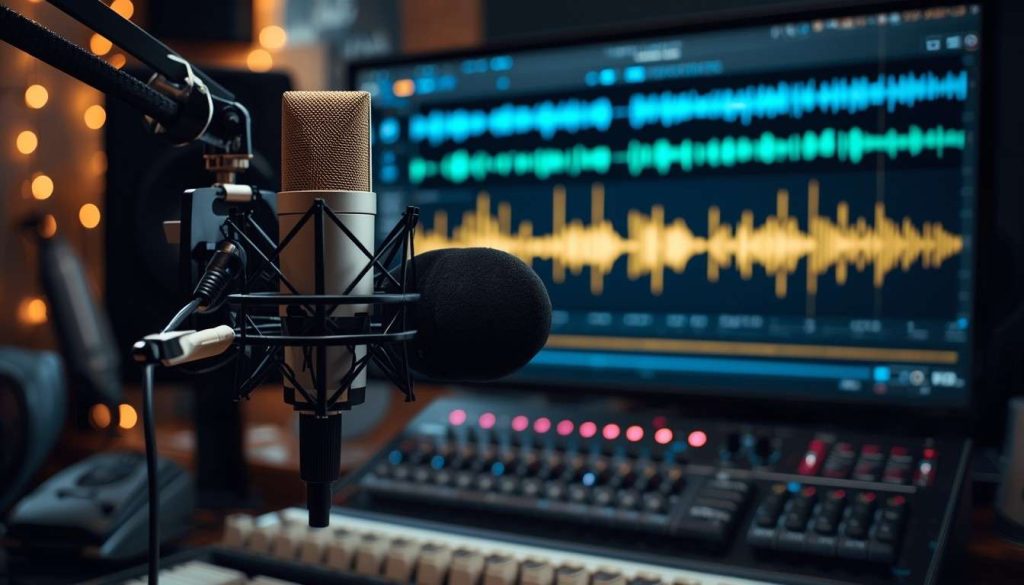
Last on the list: synthetic voiceovers. These AI tools in television production mimic voices eerily well, but they shouldn’t replace narrators or dubbing artists.
Authenticity Issues
Authenticity tanks when voices sound robotic, even if advanced. Viewers notice – it pulls them out of the story. Think documentaries; a real voice adds gravitas AI can’t match.
Union and Rights Concerns
Unions fight this hard, and for good reason. It undercuts jobs and raises consent issues. If a celeb’s voice is synth’d without pay? Big no. Link to our guide on voice acting in the AI era for more.
The rise of AI in TV is exciting, but it’s smart to pick and choose. Skipping these five keeps things ethical, creative, and true to what makes television great. It protects the industry from turning into a tech factory. Next time you’re on set, think twice about that shiny new tool – sometimes old-school wins.
Key Takeaways
- Ethics First: Always weigh if AI tools in television production respect people involved.
- Creativity Matters: Human input beats algorithms for fresh stories.
- Job Protection: Avoid tools that sideline skilled workers.
- Viewer Trust: Fake elements erode audience loyalty.
- Legal Smarts: Check rights and unions before diving in.
FAQ
What are some risky AI tools in television production to watch out for? Deepfakes and synthetic voices top the list – they mess with reality and could land you in hot water ethically.
Why avoid fully automated scriptwriting as an AI tool in television production? It often produces bland scripts lacking that human emotional punch, making shows feel generic.
Are there any AI tools in television production that are okay to use? Sure, like basic data analyzers for scheduling, but steer clear of ones replacing core creative roles.
How do AI tools in television production impact jobs? They can displace writers and actors, leading to fewer opportunities and less diverse content.
What’s the big deal with deepfakes in TV? They raise consent issues and make everything feel inauthentic, plus legal battles over likeness rights.
Can AI prediction tools really hurt creativity in television production? Yeah, they push safe bets over innovative ideas, resulting in forgettable shows that don’t stand out.