

AI has exploded into our lives, from chatbots helping with homework to systems running factories. But with all that power comes some real worries. Limiting harmful effects of AI isn’t just a techie topic—it’s something we all need to think about to keep things from going off the rails. Think about how tools like Grok, built by xAI, can generate ideas or answer questions in seconds, but what if they spread misinformation or invade privacy? That’s where steps to curb those issues come in. I’ve seen friends get tripped up by biased AI suggestions, and it makes you realize we can’t just let this stuff run wild. In this piece, we’ll dig into practical ways to handle it, drawing from real-world examples and expert insights.
Table of Contents
Understanding AI’s Potential Downsides
First off, you have to get a grip on what could go wrong before fixing it. AI isn’t inherently bad—it’s like a hammer; useful for building, but dangerous if swung wrong. Harmful effects range from job losses to deepfakes messing with elections. For instance, in the U.S., factories using AI have boosted efficiency, but they’ve also displaced workers without much warning. It’s not all doom; recognizing these helps in limiting harmful effects of AI early on.
Common Risks in Everyday Use
Day-to-day, AI can amplify biases. Say you’re job hunting and an AI screener tosses your resume because of some coded prejudice—happens more than you’d think. Privacy leaks are another biggie; apps collect data like candy at Halloween. Then there’s the mental side: kids glued to AI-driven social feeds that push extreme content. I’ve chatted with parents who worry about this, and it’s eye-opening. To limit these, start small, like checking app permissions.
Why Tools Like Grok Raise Concerns
Grok, that witty AI from xAI, is fun for brainstorming, but it could accidentally spread false info if not checked. Imagine asking it for medical advice and getting something half-baked—that’s a recipe for trouble. It’s not about bashing the tech; it’s about balancing innovation with safety. Experts like those at the AI Safety Institute point out that without limits, these tools might widen inequalities. For more on this, check out our piece on AI ethics in daily life.
Building Strong Regulations
Okay, let’s talk rules. Governments aren’t sitting idle; they’re stepping up to rein in AI’s wild side. Limiting harmful effects of AI through laws isn’t perfect, but it’s a solid start. In the States, we’ve got bills floating around Congress aimed at transparency in AI decisions. It’s messy politics, sure, but necessary.
Government Roles in Oversight
The U.S. is pushing for agencies like the FTC to watch over AI practices. Think mandatory impact assessments before launching something big. Europe’s ahead with the AI Act, classifying risks like high or low. We could learn from that—adapt it here to protect folks without stifling growth. A buddy in tech policy told me these regs make companies think twice about shortcuts.
International Efforts to Set Standards
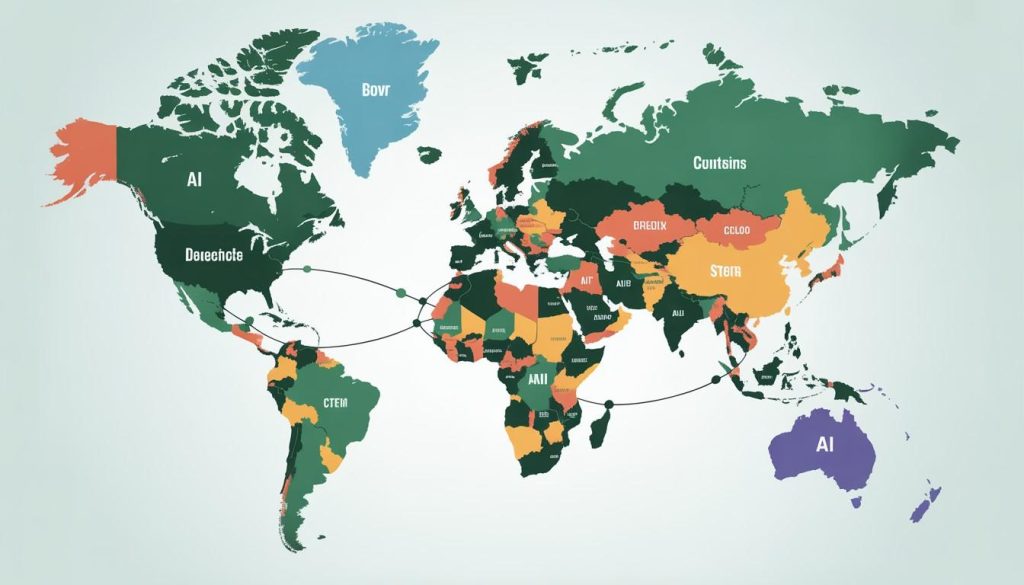
No country is an island with AI. Groups like the UN are hashing out global norms to prevent a race to the bottom. The OECD’s principles emphasize fairness and accountability. It’s slow-going, but imagine if we didn’t try—chaos. For deeper dives, our article on global AI governance breaks it down further.
Promoting Ethical AI Development
Developers hold a lot of power here. Building ethics in from the ground up is key to limiting harmful effects of AI. It’s not just buzzwords; it’s about making sure AI serves people, not the other way around. Companies like OpenAI have ethics teams, but it’s hit or miss across the board.
Guidelines for Developers
Start with diverse teams to spot biases early. Use frameworks like those from IEEE, which stress transparency. Testing for edge cases— like how an AI handles rare languages—can prevent slip-ups. I’ve followed projects where skipping this led to backlash, so yeah, it’s worth the effort.
Incorporating User Feedback
Listen to users! Beta testing with real people catches issues devs miss. Grok could benefit from more open feedback loops, tweaking based on what folks report. It’s like crowdsourcing safety.
Educating Users and Raising Awareness
You and me—we’re part of this too. Limiting harmful effects of AI means getting smarter about it. Schools are starting to teach AI literacy, which is huge for kids growing up with this stuff.
School Programs and Public Campaigns
In the U.S., some states mandate AI education in high school curricula. Public ads, like those from nonprofits, warn about deepfakes. Remember the 2020 election worries? Campaigns helped people spot fakes. It’s empowering, really.
Personal Habits for Safer AI Use
On a personal level, double-check AI outputs. Use tools that flag biases. I make it a habit to cross-reference Grok’s answers with reliable sites—saves headaches. Simple stuff like that adds up. For tips on everyday AI smarts, see our guide to safe AI practices at home.

Technological Safeguards and Innovations
Tech can fix tech problems. Innovations in safeguards are popping up, making it easier to limit harmful effects of AI without ditching the benefits.
Built-in Safety Features
Things like content filters in chatbots block hate speech. Watermarking AI-generated images helps spot fakes. Grok has some of this, but ramping it up could help. It’s evolving fast—exciting times.
Monitoring and Auditing Tools
Third-party auditors review AI systems regularly. Tools using blockchain for transparency? Yeah, that’s a thing now. A report from MIT showed how audits caught issues in 80% of tested AIs. Impressive, right?
We’ve covered a lot of ground on limiting harmful effects of AI, from regs to personal steps. It’s not about fearing the future; it’s about shaping it wisely. Tools like Grok have huge potential, but with smart limits, we keep the good and ditch the bad.
Key Takeaways
- Recognize Risks Early: Spot biases and privacy issues to act fast.
- Push for Rules: Support laws that demand transparency in AI.
- Build Ethically: Developers should prioritize fairness from day one.
- Educate Yourself: Learn and teach others for widespread awareness.
- Use Tech Fixes: Leverage filters and audits to enhance safety.
- Stay Involved: Feedback and innovation keep AI on track.
FAQ
What are some quick ways for limiting harmful effects of AI in my daily routine? Just start by verifying info from AIs like Grok against trusted sources. Turn on privacy settings and avoid sharing sensitive data—it’s low-effort but effective.
How does limiting harmful effects of AI benefit society as a whole? It reduces inequalities, like biased hiring, and prevents misinformation spreads. Overall, it builds trust in tech, making innovation sustainable for everyone.
Can regulations really help in limiting harmful effects of AI technologies? Absolutely, though they’re not foolproof. Laws like the EU’s AI Act force companies to assess risks, cutting down on unchecked harms.
What role do users play in limiting harmful effects of AI like Grok? Users are crucial—report issues, give feedback, and use ethically. It’s a team effort between creators and us.
Are there tools available for limiting harmful effects of AI-generated content? Yeah, things like deepfake detectors and bias checkers are out there. Free apps can scan images or text for signs of manipulation.
Why is education key to limiting harmful effects of AI? Because informed people make better choices. Teaching kids about AI pitfalls early prevents bigger problems down the line.
Here’s a quick table summarizing some AI risks and mitigation steps:
| Risk | Mitigation Step | Example |
|---|---|---|
| Bias in Decisions | Diverse Data Training | Job screening AIs tested on varied resumes |
| Privacy Breaches | Data Encryption | Apps using end-to-end protection |
| Misinformation | Fact-Check Filters | Built-in source verification in chatbots |
| Job Displacement | Reskilling Programs | Government-funded tech courses |
| Deepfakes | Watermarking Tech | AI images marked as generated |