

What Is Prompt Engineering? Prompt engineering is the art and science of crafting clear, precise instructions (prompts) to get the best possible responses from AI models, especially large language models (LLMs). Think of it as learning how to “talk” to AI so it understands exactly what you want—instead of giving vague requests and hoping for the best.
In 2026, with tools like GPT-4o, Claude 3.5, Gemini, and IBM Granite everywhere, the difference between a mediocre output and a spot-on one often comes down to how well you phrase your prompt. It’s not magic; it’s strategy.
Key Points
- Prompt engineering remains essential because AI models are powerful but still need human guidance to deliver accurate, useful results.
- Research and industry reports from 2025–2026 show the skill has evolved from basic phrasing to workflow design, multimodal inputs, and ethical considerations.
- While some headlines claim “prompt engineering is dead,” evidence leans toward it being more integrated and valuable than ever—especially in professional and domain-specific use.
- Techniques like chain-of-thought and role-playing continue to boost performance on complex tasks.
- The future includes more automation and tools, but human expertise in prompt strategy still makes a big difference.
Why It Matters
Prompt engineering turns AI from a fun toy into a reliable tool. Businesses use it to automate reports, create content, debug code, and more. Individuals get faster homework help, better writing, and creative ideas. Poor prompts waste time and tokens; good ones save both.
Practical Techniques
Start simple: be specific, provide context, iterate. Advanced methods like few-shot examples or chain-of-thought help tackle math, reasoning, or creative work.
I’ve been messing around with AI tools since the early ChatGPT days, and honestly, nothing has changed more for me than figuring out prompt engineering. Back then, I’d type something quick like “write a blog post about coffee” and get a generic wall of text. These days, a well-crafted prompt can give me something that feels custom-made, saves hours, and actually sounds like me.
What Exactly Is Prompt Engineering?
At its core, prompt engineering is designing and tweaking the instructions you give to an AI so it produces exactly the output you need. It’s like giving directions to a super-smart but literal-minded friend who knows a ton but needs clear guidance.
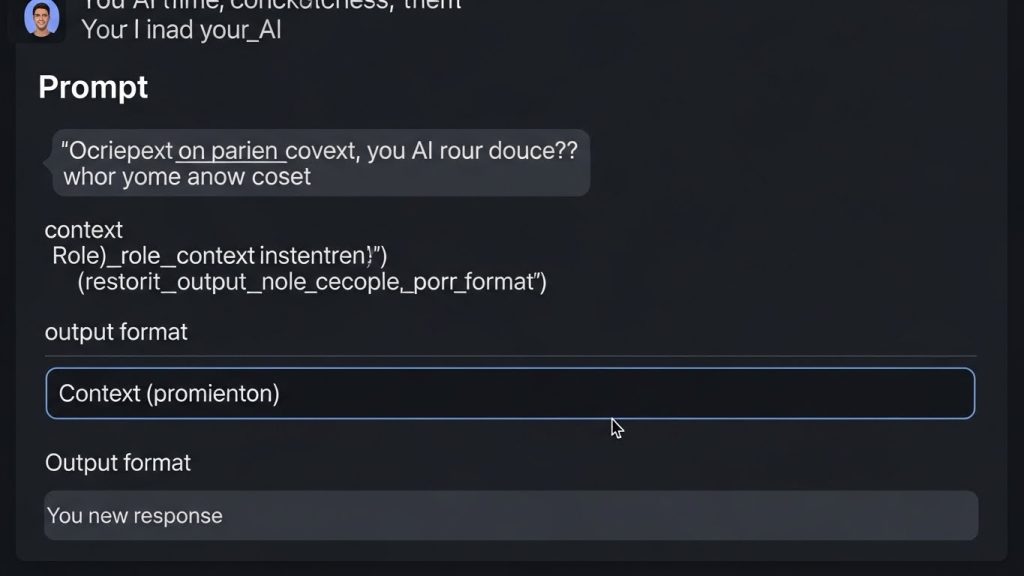
The basic building blocks are:
- Clear task instruction (“Summarize this article in 200 words”)
- Context (“Focus on economic impacts, written for business owners”)
- Examples (a few good/bad samples)
- Output format (“Use bullet points and bold key stats”)
Small changes make huge differences. Swap one word and the tone, accuracy, or creativity can shift completely.
How It Works in Real Life I remember helping a friend write product descriptions for an e-commerce store. Generic prompts gave bland copy. Once we started adding “Write as if you’re a witty copywriter for a premium brand, keep it under 80 words, include sensory words,” the results jumped from okay to sellable.
Key Techniques That Still Work in 2026 Even as models get smarter, these core methods remain powerful.
Zero-Shot & Few-Shot Prompting Zero-shot means no examples—just describe the task. Example: “Classify this review as positive, negative, or neutral: ‘The camera is great but battery life sucks.’”
Few-shot gives 2–3 examples first, then the real task. Models learn the pattern on the fly. This is especially useful for custom formats.
Chain-of-Thought Prompting This one’s a game-changer for reasoning. Instead of asking for the answer, ask the AI to “think step by step.” Example: “Solve this math problem step by step: If a train leaves at 60 mph…” Models perform dramatically better on logic, math, and analysis when forced to show their work.
Role-Playing and Advanced Tricks Tell the AI who to be: “You are a senior software engineer with 15 years experience.” Or use self-consistency: generate multiple answers and pick the most common one. Multimodal prompting is big now—combine text with images or audio for richer results.
Why Prompt Engineering Is Still a Big Deal In 2026, companies aren’t just playing with AI—they’re building entire workflows around it. Prompt engineering ensures outputs are accurate, on-brand, secure, and cost-effective.
In Business and Everyday Work From marketing teams generating ad copy to developers debugging code, good prompts cut costs (fewer tokens, fewer retries) and boost quality. I’ve seen teams 10x their productivity by standardizing prompts with templates.
Trends Shaping the Future Automation is coming—tools now suggest or refine prompts automatically. Multimodal is huge. Ethical prompting (avoiding bias) is non-negotiable. Domain-specific expertise matters more than generic tricks. Some say the “prompt engineer” job title is fading, but the skill is becoming table stakes, like knowing Excel.
Practical Tips to Get Better Fast
- Start specific, then loosen up if needed.
- Always iterate—run the prompt, tweak, run again.
- Use constraints (word count, format, tone).
- Test for bias and safety.
- Save good prompts as templates.
For deeper dives, check our guide on advanced chain-of-thought techniques or multimodal prompting basics.

Wrapping Up Prompt engineering isn’t going anywhere—it’s just getting smarter. As AI becomes more embedded in work and life, knowing how to communicate effectively with it will keep giving you an edge. It’s less about fancy words and more about clear thinking. The better you get at it, the more AI feels like an extension of your brain instead of a frustrating black box.
Key Takeaways
- Prompt engineering is crafting precise instructions for AI to get reliable, high-quality results.
- Core techniques like chain-of-thought, few-shot, and role-playing still deliver big wins in 2026.
- The skill is evolving into workflow design, multimodal, and ethical prompting.
- Businesses value it for accuracy, cost savings, and productivity.
- Practice, iterate, and save templates—small effort yields huge returns.
Frequently Asked Questions
What is prompt engineering exactly? It’s the skill of writing clear, detailed instructions to get useful responses from AI models like ChatGPT or Claude.
Is prompt engineering still worth learning in 2026? Yes—while some automation exists, human judgment in crafting prompts for complex or specialized tasks remains crucial.
What are the best prompt engineering techniques? Chain-of-thought for reasoning, few-shot for patterns, role-playing for tone, and multimodal for richer inputs.
How do I get better at prompt engineering fast? Practice daily, start specific, iterate on outputs, use constraints, and study good examples.
Will AI eventually make prompt engineering obsolete? Not fully. Models improve, but humans are still needed for intent, context, ethics, and domain expertise.
Can beginners learn prompt engineering? Absolutely. Start with simple tasks, experiment, and follow free tutorials. It gets intuitive quickly.