

Research suggests the AI-driven memory chip shortage, fueled by booming demand for high-tech memory in AI systems, is likely pushing up prices for everyday gadgets like smartphones and laptops by 3% to 8% this year. It seems companies are shifting production to fancy AI chips, leaving less for regular consumer stuff, which could mean delays or skimpy specs on new models. Evidence leans toward this crunch lasting through 2026, maybe into 2027, hitting budget buyers hardest while big tech firms stockpile what they can.
Key Points:
- Price Hikes Ahead: Expect gadgets to get pricier as memory costs soar – think an extra $50-100 on that new phone.
- Supply Squeeze: Fewer chips mean potential delays in shipping popular devices, especially mid-range ones.
- Market Slowdown: Smartphone and PC sales might dip by up to 5-9%, with folks holding onto old gear longer.
- AI’s Double Edge: While AI drives innovation, it’s creating shortages that ripple into consumer markets – a reminder that tech progress has trade-offs for everyone.
Why This Matters
It’s frustrating when something like an AI-driven memory chip shortage jacks up the cost of upgrading your phone or computer, right? We’ve seen chip issues before, but this one feels different because AI is gobbling up resources at an insane pace. From what experts are saying, this isn’t just a blip – it could reshape how we buy tech for the next couple of years.
What You Can Do
If you’re in the market for new electronics, maybe snag deals now before prices climb more. And keep an eye on brands like Samsung or Apple – they’re navigating this mess, but not without some bumps.
Table of Contents
What’s Behind the AI-Driven Memory Chip Shortage?
You know how AI is everywhere these days – from chatbots to self-driving cars? Well, all that smart tech needs a ton of memory chips to work. We’re talking about special high-bandwidth memory, or HBM, that’s perfect for handling massive data loads in AI servers. But here’s the kicker: making these chips is pulling resources away from the regular memory stuff used in our phones and computers.
I remember back in the pandemic when chips were scarce for cars and consoles; this feels similar, but way more targeted at memory. Demand for DRAM – that’s dynamic random-access memory – has shot up because AI workloads are so hungry for it. Analysts say the gap between supply and demand is around 10%, and it’s only widening as cloud companies build more data centers. It’s like everyone’s rushing to the same buffet, and the regular folks are left with scraps.
The Explosion of AI Demand
AI isn’t just a buzzword; it’s exploding. Companies like NVIDIA and AMD are churning out AI gear that requires heaps of fast memory. Sanjay Mehrotra, CEO of Micron, put it bluntly: the industry will stay “substantially short of demand for the foreseeable future.” Foreseeable meaning at least through 2026, probably longer. And with AI growing faster than anyone expected, chip factories can’t keep up. New plants take years to build – Micron’s next big one in Idaho won’t even start cranking until 2027.
How Chipmakers Are Shifting Gears
Big players like Samsung, SK Hynix, and Micron are rerouting their lines to make more HBM for AI, since that’s where the big bucks are. Samsung’s co-CEO TM Roh called this shortage “unprecedented,” and yeah, their stocks are soaring, up over 100% in some cases last year. But for consumer electronics? That means less NAND flash for storage in your phone or SSD. It’s a trade-off that’s boosting profits for these companies but squeezing everyone else.
How It’s Hitting Smartphones Hard
Smartphones are probably feeling this AI-driven memory chip shortage the most right now. These devices rely on DRAM for smooth multitasking and NAND for storage, and with supplies tight, manufacturers are in a bind. I’ve seen how past shortages delayed launches, and this could be worse.
Price Jumps and Spec Cuts
Expect average prices to climb 3% to 5% in a mild scenario, or up to 8% if things get ugly. For budget phones, memory makes up 15-20% of the cost, so brands like Xiaomi or Oppo might hike prices or dial back on RAM – no jumping from 12GB to 16GB on new models anytime soon. Samsung’s CEO even hinted at potential increases across their lineup, including TVs and appliances.
Here’s a quick table breaking down potential price impacts:
| Device Type | Expected Price Increase | Reason |
|---|---|---|
| Mid-Range Smartphones | 6-8% | Better leverage, but still affected |
| Flagship Phones | 3-5% | Better leverage but still affected |
| Budget Models | Up to 10% | Least priority for suppliers |
Market Growth Taking a Hit
The whole smartphone market might shrink by 2.9% to 5.2% this year, with people hanging onto their old devices longer. In places like the US, where we love our upgrades, this could mean more financing deals to soften the blow. But honestly, if you’re like me and hate paying extra for the same thing, it stings.
For a deeper dive, check out this video on how AI is messing with phone supplies: VIDEO. It’s eye-opening stuff.
Impacts on PCs, Laptops, and Other Gadgets
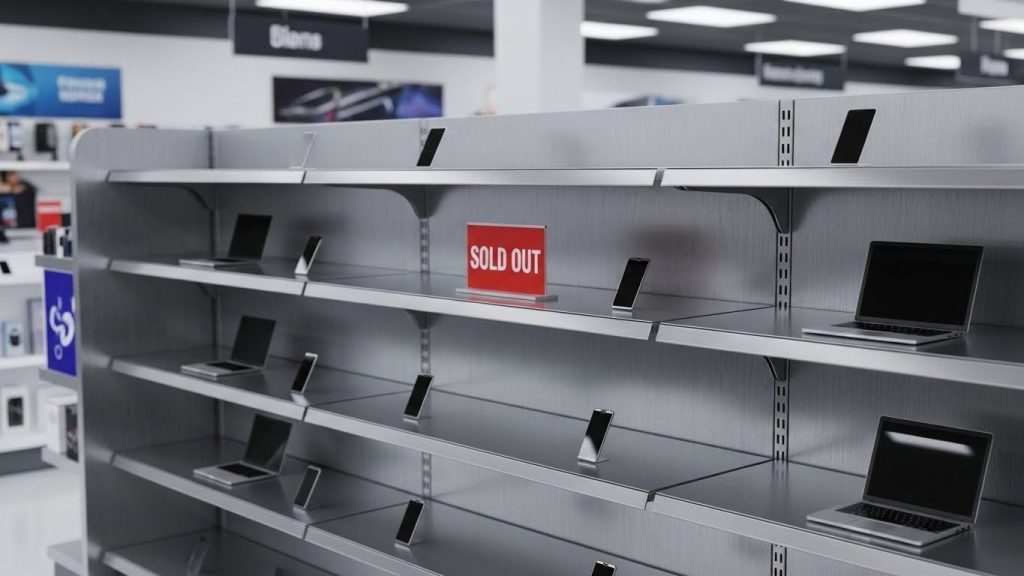
It’s not just phones – PCs and laptops are getting slammed too. With AI PCs needing at least 16GB RAM to run fancy features like Microsoft’s Copilot, the shortage is throwing a wrench in plans. Dell’s Jeff Clarke said these costs will “certainly” hit customers.
Rising Costs for Everyday Computing
PC prices could rise 4-6% mildly, or 6-8% worse case, with vendors like Lenovo or HP resetting contracts for 15-20% hikes on components. That means your next laptop might cost more or come with less RAM. And for gaming consoles or even smart home stuff? Same story – expect delays or pricier tags.
Broader Ripple Effects
This AI-driven memory chip shortage is trickling into other areas, too. Game consoles, USB drives, and even cars with infotainment systems could see issues. One analyst noted prices for some memory types have doubled since last February. It’s like a domino effect starting from AI data centers and knocking over consumer shelves.
If you’re curious about AI’s role in all this, read our guide on emerging AI technologies for more background.
Looking Ahead: Will the Shortage Ease Up?
No quick fix here – supply growth for DRAM is only 16% this year, way below what’s needed. But there’s hope as companies ramp up production, though it might not hit full stride until 2027.
Predictions for 2026 and Beyond
Experts call this a “supercycle” that could last into next year, with tight markets keeping prices high. Micron’s revenue might top $18.7 billion, showing how AI is a goldmine for some. For us buyers, it means budgeting more or waiting it out.
Tips for Consumers in a Crunch
Stock up if you can – one expert bought her iPhone early to beat the rush. Look for deals on older models, or consider refurbished gear. And explore our tips for smart tech shopping to navigate this. Bigger brands might weather it better, so stick with them if possible.
All this talk about the AI-driven memory chip shortage makes you think twice about tech dependence, doesn’t it? We’ve got amazing innovations, but they come with these unexpected hitches that affect everyday life. As AI keeps growing, hopefully suppliers catch up soon so we don’t keep paying the price – literally. In the meantime, staying informed helps us make smarter choices without getting caught off guard.
Key Takeaways
- The AI-driven memory chip shortage is mainly from AI servers hogging high-bandwidth memory, leaving less for consumer gadgets.
- Smartphones could see 3-8% price hikes and stalled RAM upgrades, with market growth dropping up to 5%.
- PCs face similar issues, with 4-8% increases and challenges for AI-enabled models needing more memory.
- This crunch might last through 2026, pushing consumers to buy early or opt for alternatives.
- Chip giants like Micron and Samsung are thriving, but everyday buyers feel the pinch most.
FAQ
What’s causing the AI-driven memory chip shortage right now? It’s mostly the huge demand for specialized chips in AI data centers – companies are prioritizing those over standard memory for phones and laptops, creating a supply gap that drives up costs.
How will the AI-driven memory chip shortage affect my next smartphone purchase? You might pay 3-8% more, or see models with less RAM than expected. Budget phones could get hit hardest, so if you’re shopping, grab deals sooner rather than later.
Is the AI-driven memory chip shortage going to last into 2027? Yeah, many experts think so – new factories take time to build, and demand keeps growing, so prices might stay high for a while.
What can I do to avoid the impacts of the AI-driven memory chip shortage? Consider buying refurbished devices or sticking with your current gear. Also, check out our article on budget-friendly tech alternatives for ideas.
How is the AI-driven memory chip shortage different from past chip crises? This one’s more focused on memory due to AI’s specific needs, unlike broader shortages before – it’s creating a “supercycle” where suppliers can’t keep pace fast enough.
Will big companies like Apple be affected by the AI-driven memory chip shortage? Absolutely, even giants are feeling it – they might raise prices or adjust specs, though they have better leverage with suppliers than smaller brands.
Key Citations
- NPR: Memory loss: As AI gobbles up chips, prices for devices may rise
- IDC: Global Memory Shortage Crisis
- Reuters: Memory chipmakers rise as global supply shortage
- Gizmodo: Samsung CEO Says What We Already Know
- OreateAI: Navigating the AI-Driven Memory Chip Shortage
- AInvest: The AI-Driven Memory Chip Shortage and Its Impact