

Ever wondered how new medicines get from a lab idea to actually helping people? It’s a long, pricey road—often taking over a decade and billions of dollars. But things are shifting fast with tools like the Insilico Medicine Generative AI Platform. This isn’t just some fancy software; it’s a game-changer that’s using smart AI to cut down those timelines and costs. I’ve seen how tech like this is making waves in biotech, and it’s pretty exciting to think about what it means for everyday health issues.
The Insilico Medicine Generative AI Platform, often called Pharma.AI, pulls together biology, chemistry, and data crunching in ways that feel almost magical. It helps researchers spot disease targets, dream up new drug molecules, and even predict how trials might go. And yeah, it’s already pushed drugs into human testing phases quicker than traditional methods. If you’re curious about biotech or just want to know how AI is tackling tough illnesses, stick around—we’ll dig into its capabilities without getting too jargony.
Table of Contents
The Rise of AI in Drug Development
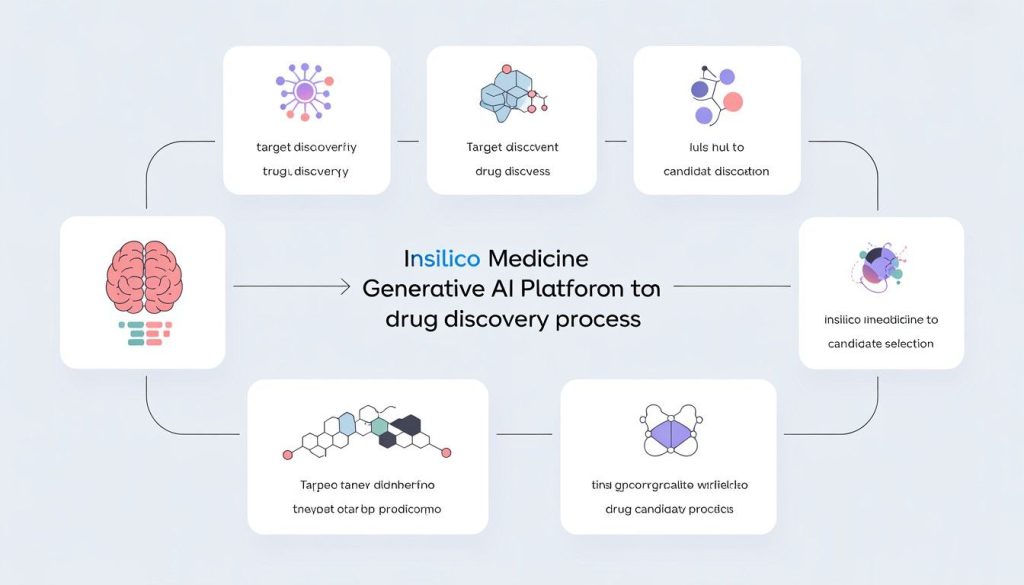
Drug discovery used to be all about trial and error—scientists testing thousands of compounds, hoping one sticks. But with AI stepping in, it’s more like having a super-smart assistant that learns from mountains of data. The Insilico Medicine Generative AI Platform fits right into this shift, focusing on generative models that create new ideas instead of just analyzing old ones. Think of it as AI not only spotting patterns but inventing solutions.
From my chats with folks in the field, it’s clear this tech is bridging gaps where human intuition falls short. For instance, it sifts through genetic data, clinical trials, and even aging studies to find hidden links. And it’s not hype—companies like Insilico are proving it with real drugs in the pipeline. If you’re interested in how AI is reshaping healthcare, check out our piece on emerging AI tools in biotech for more background.
Breaking Down the Insilico Medicine Generative AI Platform
At its core, this platform is a suite of tools that work together like a well-oiled machine. Pharma.AI is the main hub, with modules tailored for different steps in drug making. It’s built on generative AI, which means it can whip up novel molecules or proteins based on what you tell it. No more starting from scratch every time.
PandaOmics for Target Discovery
First up, finding the right target—a protein or gene tied to a disease—is crucial. PandaOmics, part of the Insilico Medicine Generative AI Platform, dives into massive datasets like gene expressions and clinical records. It uses AI to rank potential targets, factoring in things like how they link to aging or fibrosis.
In one case, it helped pinpoint a target for idiopathic pulmonary fibrosis (IPF), a nasty lung condition. The AI crunched data from thousands of samples, spotting connections humans might miss. It’s like having an extra set of eyes that never get tired. And recent updates? They’ve added LLM scores for even smarter analysis, making it easier for researchers to trust the picks.
Chemistry42 and Molecule Design
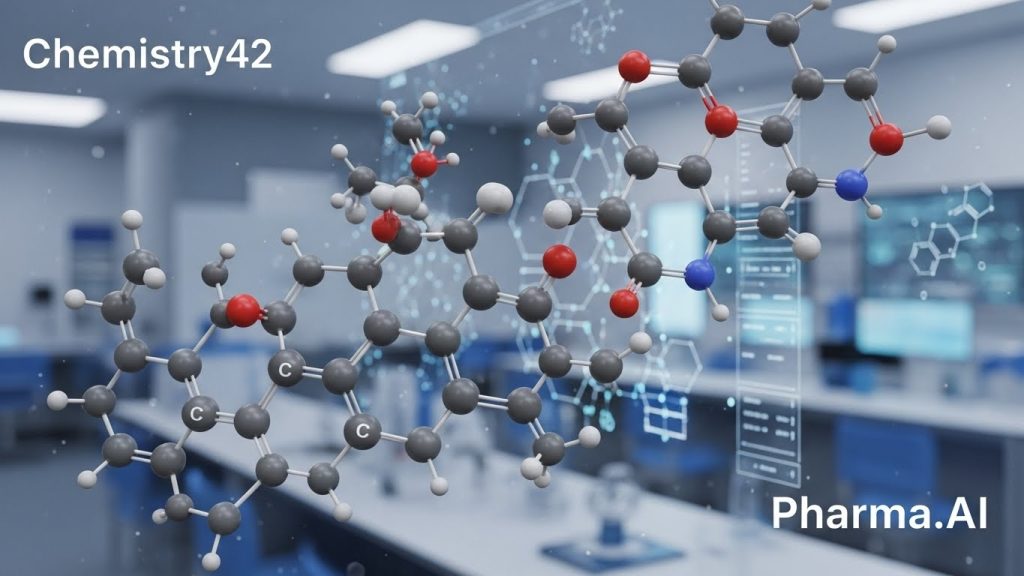
Once you’ve got a target, you need a drug to hit it. That’s where Chemistry42 shines in the Insilico Medicine Generative AI Platform. This module generates small molecules using generative models—think GANs and algorithms that evolve designs. It considers stuff like how well the molecule binds, its stability, and if it’s safe for humans.
I’ve heard stories from labs where this cut design time from months to weeks. For example, it created inhibitors for cancers like those with BRCA mutations. You input criteria, and boom—dozens of candidates pop out, ready for testing. Plus, the winter edition added tools like MolSpace for exploring chemical spaces, which sounds nerdy but really amps up creativity.
Generative Biologics in Action
Not all drugs are small pills; some are bigger biologics like antibodies. The Generative Biologics module in the Insilico Medicine Generative AI Platform handles that, using diffusion models to craft sequences and scaffolds. It even throws in physics simulations for better accuracy.
Take peptides for heart diseases—they designed one targeting GLP1R in just 72 hours. That’s wild compared to old-school methods. It conditions on specific traits, ensuring the final product is potent and functional. If you’re into videos, here’s a solid one explaining Pharma.AI’s launch:
It breaks down how these tools fit together without overwhelming you.
What Makes This Platform Stand Out?
Sure, there are other AI tools out there, but Insilico’s edges out with its end-to-end approach. It doesn’t just stop at ideas; it predicts clinical success too, via modules like inClinico. That means fewer flops in trials, saving time and money.
Speed and Efficiency Gains
One big win? Slashing discovery timelines. Traditional paths take 10-15 years; with this, Insilico got a drug to Phase II in under three. Their AI trains on millions of samples, spitting out optimized candidates fast.
Here’s a quick table comparing old vs. new:
| Aspect | Traditional Method | Insilico Medicine Generative AI Platform |
|---|---|---|
| Target Discovery | Manual data review, months | AI-driven, days to weeks |
| Molecule Generation | Lab synthesis, hit-or-miss | Generative models, dozens of options |
| Time to Candidate | 2-5 years | 18-24 months |
| Cost Savings | High failure rates | Predictive tools reduce risks |
It’s not perfect—AI still needs human oversight—but the efficiency is undeniable.
Handling Complex Diseases
Diseases like cancer or fibrosis are tricky because they’re multifaceted. The platform links them to broader themes, like aging, pulling in data from grants and patents. For IPF, it used causality inference to nail down targets, leading to INS018_055, now in trials. That kind of depth builds trust, especially when backed by peer-reviewed papers.
For more on fibrosis research, see our guide to AI in rare disease treatment.
Real-World Wins and Milestones
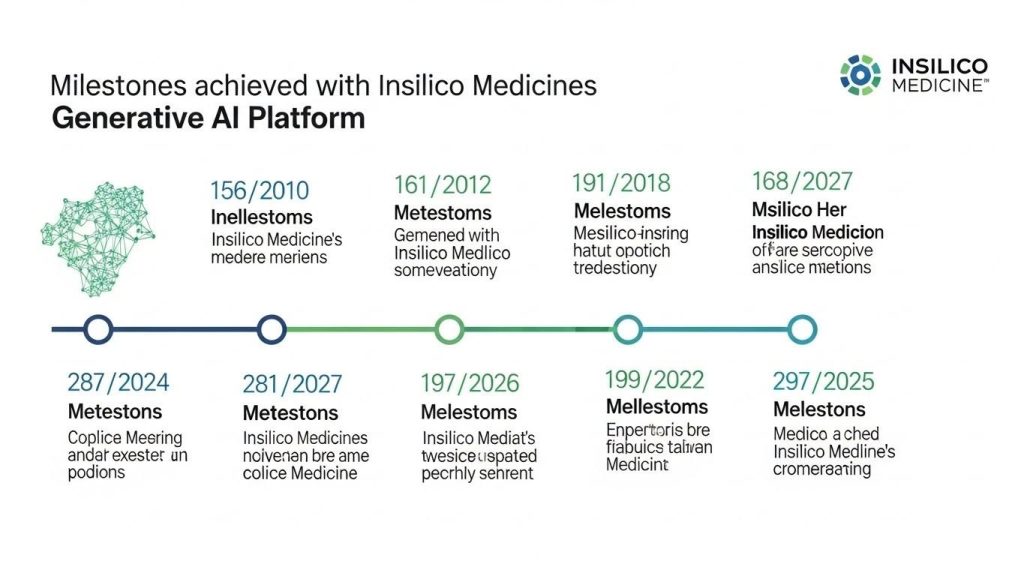
Insilico isn’t just talking the talk. Their first generative AI drug, INS018_055 for IPF, hit Phase II trials back in 2023—dosing patients and showing promise in safety and efficacy. Discovered in record time, it targets a novel pathway, potentially helping millions with lung issues.
Other hits include inhibitors for oncology, like DGKα for resistant tumors, and cardiometabolic candidates. They’ve got over 20 programs humming, with partnerships from big names like Eli Lilly. Awards pile up too, like top rankings in AI innovation. It’s proof that the Insilico Medicine Generative AI Platform delivers.
Looking Ahead with Insilico’s Tech
As AI evolves, so does this platform. Recent winter updates beefed up everything from binder designs to secure deployments. Imagine AI not just for drugs but sustainability or personalized medicine—Insilico’s dipping into that with tools like PreciousGPT.
It’s got me thinking: what if we could tackle aging itself? The platform’s already linking diseases to longevity research. Sure, challenges like data privacy and regulation loom, but the potential? Huge. For researchers or curious folks, it’s worth keeping an eye on. If you’re diving deeper, explore generative AI trends in pharma.
Key Takeaways
- The Insilico Medicine Generative AI Platform accelerates drug discovery by integrating target finding, molecule creation, and trial predictions.
- Modules like PandaOmics and Chemistry42 handle specific tasks with generative AI, cutting timelines dramatically.
- It’s led to real drugs in clinical trials, like for IPF, proving its value in tough areas like oncology and fibrosis.
- Updates keep it fresh, adding physics simulations and better interfaces for users.
- Overall, it’s a tool that blends speed with smarts, making biotech more accessible and efficient.
- While powerful, it thrives with human input to navigate complexities.
Wrapping this up, tools like the Insilico Medicine Generative AI Platform are flipping the script on how we fight diseases. It’s not about replacing scientists but giving them superpowers to get treatments out faster. Who knows what breakthroughs are next?
FAQ
How does the Insilico Medicine Generative AI Platform speed up drug discovery? It uses AI to automate steps like target spotting and molecule design, often shrinking years into months. For example, it generated a candidate for lung fibrosis super quick.
What are some key features of the Insilico Medicine Generative AI Platform? Think PandaOmics for digging into biology data, Chemistry42 for crafting small drugs, and Generative Biologics for bigger stuff like antibodies. They all tie into Pharma.AI for seamless work.
Has the Insilico Medicine Generative AI Platform led to any real medicines? Yeah, absolutely— their drug for IPF made it to Phase II trials, the first fully AI-generated one. Plus, a bunch of others in the pipeline for cancer and heart issues.
Is the Insilico Medicine Generative AI Platform only for small molecules? Nope, it covers biologics too, like peptides and antibodies, with recent updates making designs even more precise using physics models.
How trustworthy is the tech behind the Insilico Medicine Generative AI Platform? It’s backed by tons of peer-reviewed studies and collaborations with big pharma. They prioritize data from reliable sources, though like any AI, it needs verification.
Can anyone access the Insilico Medicine Generative AI Platform? It’s mainly for pros in research and pharma, but they offer licenses and demos. Check their site for details on getting started.