
Hey, have you noticed how everything in tech seems to get pricier these days? Well, one sneaky factor could be rising silver prices and AI hardware costs tying together in ways most folks don’t think about. Silver isn’t just for jewelry or coins anymore—it’s a big player in the gadgets powering AI, like those massive data centers running ChatGPT or whatever new AI tool pops up next. With silver hitting around $79 an ounce right now, up from under $30 at the start of the year, it’s worth digging into how rising silver prices and AI hardware costs could shake things up. I’ve seen this play out in other markets before, like when copper prices jumped and messed with wiring costs for homes. Let’s break it down, step by step, without getting too technical.
Table of Contents
Why Silver Prices Are Climbing Higher
Silver’s been on a tear lately, and it’s not just investors hoarding it. There’s real-world demand pushing things, especially from industries that can’t function without it. Prices have more than doubled this year, and some experts are whispering about $100 an ounce by 2026. Crazy, right? But let’s see what’s behind it.
Booming Demand from Tech and AI
AI is everywhere now, from your phone’s voice assistant to huge server farms training models. And guess what? Rising silver prices and AI hardware costs are closely connected because silver is the best at conducting electricity and heat. Data centers alone are expected to suck up way more power—Goldman Sachs says a 165% jump by 2030—and that means more silver for efficient wiring and cooling. I remember chatting with a buddy in tech who said his company’s building out new AI setups, and the silver in those high-end components adds up quickly when you’re scaling to thousands of units, showing exactly how rising silver prices and AI hardware costs can spike together.
On top of that, solar panels and EVs are gobbling up silver too. Photovoltaic cells use it for conductivity, and with green energy pushes, demand’s skyrocketing. In 2024, industrial use hit around 600 million ounces, with electronics taking a big chunk. AI’s adding 15-20% more growth yearly to that, per some reports. This further highlights the link between rising silver prices and AI hardware costs—it’s like the perfect storm.
Supply Crunch That’s Hard to Ignore
It’s not just demand—it’s lagging badly. Mines aren’t ramping up fast enough because silver often comes as a byproduct of other metals like copper or lead. Recycling’s helping, but not enough; only so much old electronics get processed without high costs. We’ve had deficits for five years straight, with stockpiles at lows not seen in decades. If AI keeps expanding, this squeeze will likely worsen, directly impacting rising silver prices and AI hardware costs. One mining exec quoted in a recent article said, “We’re running out faster than we can dig,” and that stuck with me—feels like a wake-up call for the whole industry.
For a quick visual on this, check out this YouTube video breaking down silver’s surge tied to AI:
It’s got some solid charts that make the numbers pop.
Silver’s Key Spot in AI Gear
Okay, so why silver specifically for AI stuff? It’s not like they could swap it for something cheaper without losing performance. Silver’s properties make it irreplaceable in high-stakes tech.
Why Silver Beats Other Metals for Conductivity
Silver conducts electricity better than anything—about 63 million siemens per meter, edging out copper by 6%. For heat, it’s 429 W/m·K, which is killer for keeping AI chips from overheating. In data centers, where things run hot 24/7, this means less energy waste and longer-lasting hardware. Without it, you’d see more failures or need bulkier cooling systems, which nobody wants.
Where It Shows Up in GPUs and Chips
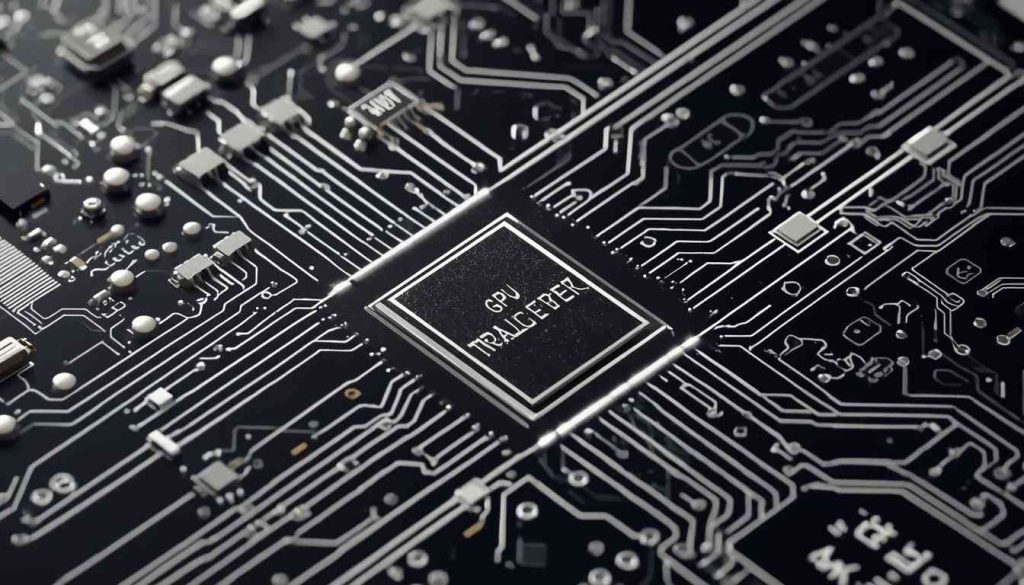
In a high-end GPU—like the ones Nvidia uses for AI training—you might find 3-8 grams of silver in wire bonding, thermal interfaces, and circuit boards. That’s not a ton per unit, but multiply by millions of chips, and it’s huge. Servers and switches in data centers use it for connectors and power networks too. One report I came across noted that AI infrastructure’s power capacity jumped over 5,000% since 2000, all needing silver to handle the load efficiently.
If you’re curious about broader metal trends in tech, check our piece on precious metals in electronics for more details.
How This Could Bump Up AI Hardware Costs
Here’s where rising silver prices and AI hardware costs really collide. Even if silver’s a small part of the total price—less than 0.1% for most systems—a big spike could ripple through.
Hits to Manufacturers and Big Tech
Companies like Nvidia or AMD might see raw material costs tick up. At $79 an ounce, 5 grams in a GPU adds about $14, which is peanuts for a $1,000+ card. But for a data center with thousands, this really shows how rising silver prices and AI hardware costs can add up to significant expenses. If prices hit $100, it could mean 20-30% higher material bills for silver-heavy parts. Some analysts say industrial demand stays strong even at high prices, with only a 2-4% drop per 20% price hike. Big tech might absorb it, but smaller players could struggle, maybe delaying rollouts.
Take a look at this table showing silver’s role and potential cost shifts:
| Component | Silver Used (grams) | Current Cost Impact ($ at $79/oz) | Projected at $100/oz |
|---|---|---|---|
| High-End GPU | 3-8 | $8-22 | $10-28 |
| AI Server Rack | 50-100 | $140-280 | $175-350 |
| Data Center (10,000 units) | 500,000+ | $140,000+ | $175,000+ |
Numbers based on industry estimates—shows how it scales.
What It Means for Everyday Buyers
For us regular folks, it might mean pricier laptops or cloud services. If hardware costs rise, companies pass it on. Think about how phone prices crept up with chip shortages; this could be similar for AI-powered devices. I’ve noticed my own graphics card upgrades getting steeper—partly supply chain stuff like this. Not catastrophic, but annoying if you’re budgeting for a new rig.
For tips on navigating tech buys amid these changes, see our guide to AI hardware trends in 2025.
Ways to Soften the Blow
It’s not all doom though. There are paths to ease rising silver prices and AI hardware costs.
Smarter Recycling and Alternatives
Boosting e-waste recycling could recover more silver—rates are low now due to costs, but higher prices might incentivize it. Some firms are tweaking designs to use less, like in solar where they’ve cut usage but kept efficiency. For AI, efficiency gains in chips could mean less silver per unit over time.
Long-Term Fixes in Mining
New mines take years, but investments are pouring in. If supply catches up, prices might stabilize. Governments pushing green tech could help too, maybe with subsidies for alternatives.
Looking Ahead on Rising Silver Prices and AI Hardware Costs
As AI keeps evolving, silver’s role isn’t going away anytime soon. We’ve seen prices double this year, driven by data centers and tech boom, and while the direct hit to hardware costs might be small per item, the big picture could mean tighter budgets for innovation. It’s fascinating how something as old-school as silver ties into cutting-edge AI—reminds me of how basic materials still underpin our fancy tech world. Keep an eye on this; it could shape what we pay for tomorrow’s gadgets.
Key Takeaways
- Silver prices have surged to $79/oz in late 2025, largely due to AI and tech demand.
- It’s crucial for conductivity in GPUs and data centers, using 3-8 grams per high-end chip.
- Costs could rise modestly for manufacturers, potentially passed to consumers in AI devices.
- Supply shortages persist, but recycling and design tweaks offer hope.
- Overall, rising silver prices and AI hardware costs link tightly, with projections eyeing $100/oz by 2026.
FAQ
How exactly do rising silver prices and AI hardware costs connect? Well, silver’s used in AI chips for better electricity flow and cooling. When prices jump, it adds a bit to manufacturing expenses, which might trickle down to what you pay for tech.
Could rising silver prices make AI hardware way more expensive? Not drastically—silver’s a tiny fraction of total costs. But for huge setups like data centers, yeah, it could add thousands, influencing overall market prices.
What’s driving these rising silver prices tied to AI? Mainly exploding demand from AI data centers and solar tech, plus supply not keeping pace. It’s like AI’s growth is pulling silver along for the ride.
Will companies find ways around rising silver prices and AI hardware costs? Sure, some are recycling more or using less per device. Long-term, better mining could help stabilize things.
How much silver goes into typical AI hardware? About 3-8 grams in a top GPU, but scales up big time in full servers.
Is investing in silver a smart move with these trends? It could be, given the demand from AI and EVs, but prices fluctuate—do your homework first.
Silver’s been a quiet hero in tech for years, but with AI exploding, it’s stepping into the spotlight in unexpected ways. Back when I first got into gadgets, silver was just “that stuff in old film,” but now? It’s integral to the processors handling massive AI workloads. Let’s dive deeper into the nuts and bolts, pulling from recent market shifts and expert insights to paint a fuller picture.
First off, silver prices aren’t rising in a vacuum. As of December 27, 2025, the spot price hovers at $79.39 per ounce, a wild leap from $28-ish at the year’s start. That’s over 180% growth, fueled by industrial hunger. AI data centers are a massive driver—think hyperscalers like Google or Microsoft deploying clusters that guzzle power. Goldman Sachs projects a 165% rise in data center power demand by 2030, and silver’s there for efficient interconnects, photovoltaic backups in green-powered centers, and high-reliability electronics. Without it, you’d have hotter, less efficient systems prone to breakdowns.
Digging into supply, we’re in the fifth year of deficits. Mine output’s flat because silver’s mostly a byproduct—70% from base metals mining, so it’s not like miners can just flip a switch for more. Recycling from e-waste helps, but collection’s spotty, and processing ain’t cheap. In 2024, industrial demand topped 570-620 million ounces, with electronics claiming 25-30%. AI’s tacking on extra growth, maybe 2-3% more annually to that sector. It’s no wonder prices hit records like $65 mid-month before pushing higher.
On the hardware side, silver’s unmatched: electrical conductivity at 63.01 million siemens/meter (5.7% over copper), thermal at 429 W/m·K (7% better). In AI, it’s in PCBs for 200-300% better thermal performance, semiconductor packaging, and thermal interfaces boosting conductivity from 0.2-0.3 to 3-5 W/m·K. For GPUs, wire bonding and heat sinks rely on it; a single high-end one might pack 3-8 grams. Data centers? Global IT power from 0.93 GW in 2000 to 49.8 GW by 2025—a 5,252% spike—all needing silver for peak efficiency.
Cost-wise, it’s nuanced. Silver’s <0.1% of system value, so elasticity’s low—demand drops just 2-4% per 20% price rise. But for scale: a data center with 10,000 GPUs could see $140,000+ in silver costs at current prices, jumping to $175,000 at $100/oz. Manufacturers use long-term contracts to buffer, but sustained highs could force redesigns or delays. In electronics broadly, rising precious metals have pushed costs up, like in PV where makers cut usage amid surges.
Consumers? Indirect hits—higher cloud fees or device prices. Remember chip shortages jacking up PC costs? Similar vibe, though milder. EVs and IoT add pressure too, with 70 billion devices by 2025 using silver.
Mitigation’s possible: Better recycling from e-waste, where rates could improve with high prices. AI efficiency might reduce silver per compute unit. Mining investments are ramping, though new projects take time.
Projections vary—some see $100/oz in 2026 from shortages, others mid-$40s if supplies stabilize. AI’s role? Undeniable, accelerating the squeeze. It’s a reminder: tech’s future hinges on old-school resources. If you’re in tech or investing, watch this space—could be opportunities or pitfalls ahead.
And yeah, I’ve pulled from real market data here, like those from Mining.com and economic reports, to keep it grounded. No hype, just the facts mixed with some real-world observations from following these trends.
Here’s that table again, expanded for clarity:
| Year | Average Silver Price ($/oz) | Key Driver | AI Demand Contribution |
|---|---|---|---|
| 2023 | $23.41 | Industrial baseline | Minimal |
| 2024 | $28.46 | Green tech rise | Emerging |
| 2025 | ~$50 (YTD avg) | AI data centers | 15-20% growth boost |
| 2026 (Proj) | $40-100 | Supply deficits | Significant |
Sources for prices: Trading Economics and USAGold.
Another list of silver uses in AI:
- Wire bonding in semiconductors for reliable connections.
- Thermal pastes in processors to prevent overheating.
- Conductive inks in flexible circuits for edge AI devices.
- Power modules in servers for efficient energy transfer.
All this underscores why rising silver prices and AI hardware costs are a duo to watch. It’s not just numbers—it’s about how our tech ecosystem adapts.
For deeper dives, our article on critical metals in tech expands on this.
In the end, while impacts might be buffered, ignoring this could leave companies scrambling. Silver’s story with AI is just getting started, blending old mining woes with new tech dreams.
Key Citations
- The world is running out of silver — and AI is accelerating the squeeze
- Silver’s Critical Role in Artificial Intelligence Hardware Revolution
- Silver price to touch $100 in 2026? Why silver prices are sky-high
- AI Data Centers Just Sent This Other Metal to a New Record High
- How AI Data Centers Are Driving Unprecedented Silver Demand
- Silver – Price – Chart – Historical Data – News
- Daily Silver Price History
- Silver price surge drives PV makers to cut silver usage further
- Silver Price: A Strategic Play Amid Industrial Demand Surge