
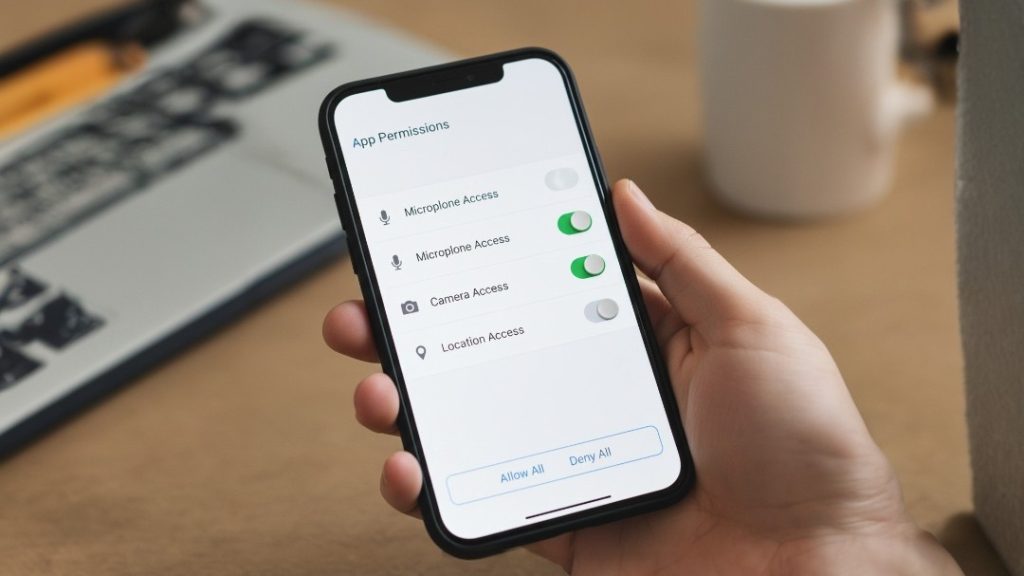
I’ve been thinking a lot about this lately—every time my phone buzzes with some eerily spot-on ad, I wonder just how much it’s listening. Turns out, I’m not alone. With AI baked into pretty much every app we use in 2026, the line between helpful features and straight-up surveillance feels blurrier than ever. So yeah, is AI spying on Americans through our phones? Let’s dig into what’s actually happening with AI phone data privacy and what your device is quietly sharing.
How AI in Your Phone Collects Data Like Crazy
Phones today aren’t just phones anymore. They’re little AI-powered assistants that predict what you want before you even ask. But that magic comes at a cost—data. Tons of it.
Your voice assistant (Siri, Google Assistant, whatever) is always kinda listening for the wake word. Apple and Google swear they don’t record until you say “Hey,” but mistakes happen. Remember those contractor scandals a few years back, where humans were listening to recordings to improve the systems? That still stings.
Then there’s location data. Apps like Maps or Weather need it to work, but a bunch of others grab it too—often without you really noticing. In 2026, AI uses that info not just to route you around traffic but to build detailed profiles: where you work, where you hang out, even when you hit the gym (or skip it).
And photos? Face recognition tech scans your camera roll to tag people automatically. Handy, sure. But that data sometimes gets uploaded to the cloud for “processing,” and who knows how long it sticks around.
I had this creepy moment last month—my phone suggested a restaurant I’d only talked about in a voice note to a friend. No search, no text. Just talked. Made me double-check every permission that night.
The Big Players and Their Privacy Policies
- Apple: They push “privacy is a human right” hard. Most processing happens on-device now with their Apple Intelligence stuff. Less data sent to servers compared to others.
- Google: Android’s AI features are powerful, but Google’s whole business runs on data. They anonymize a lot, but aggregated info still fuels ads.
- Samsung, Xiaomi, others: Varies wildly. Some Chinese brands have faced scrutiny over data flowing back home.
It’s not all doom and gloom, though. Regulations like California’s CCPA and new federal pushes in 2026 have forced companies to be more transparent. You actually get those “data sharing” notices now—though most of us still tap “accept” without reading.
What Exactly Gets Shared—and With Whom?
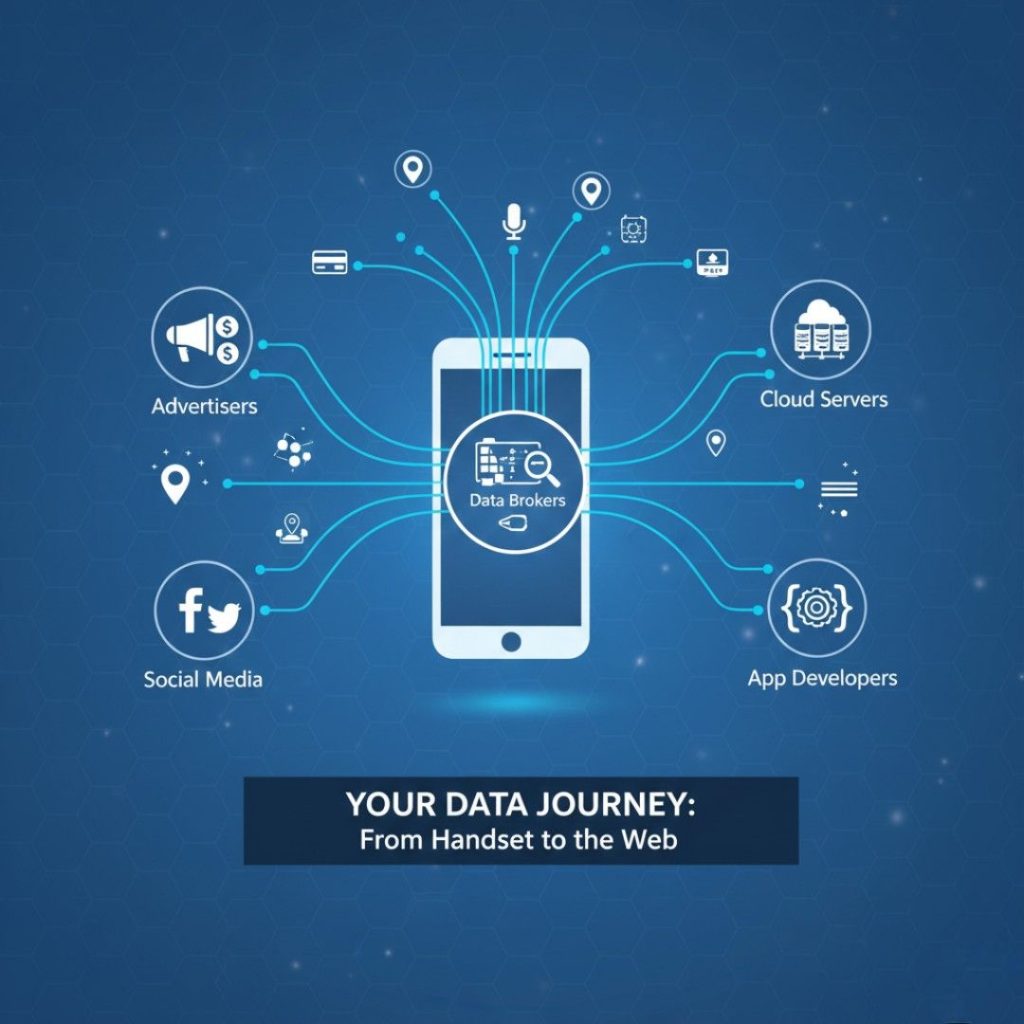
Here’s the part that keeps me up sometimes. Your phone data doesn’t just stay on your phone.
Third-party apps are the worst offenders. That free flashlight app? Probably selling your location to brokers. In 2026, data brokers are bigger than ever, packaging up your habits and selling them to advertisers, insurers, and even political campaigns.
Key data points commonly shared:
- Location history
- Search and browsing habits
- Voice recordings (when permitted)
- Contacts and calendar events
- Health data from wearables (steps, heart rate, sleep)
A 2024 investigation by The Markup showed how some popular apps were still sending data to Facebook (now Meta) even if you didn’t have an account. Things have improved a bit with App Tracking Transparency, but workarounds exist.
Real-World Consequences People Actually Faced
It’s not theoretical. In 2023, a guy in Nebraska was charged based partly on location data from Google that placed him near a crime scene. Turned out he was innocent, but the data dragnet was real.
Or think about period-tracking apps after Roe v. Wade got overturned. Women rushed to delete them because law enforcement could subpoena that data. In 2026, with AI getting better at predicting pregnancies from shopping and search patterns, it’s even easier to infer sensitive stuff.
I know someone who got denied life insurance because their wearable data showed “risky” sleep patterns. AI crunched the numbers—no human even looked at it closely.
Steps You Can Take Right Now to Protect Yourself
You don’t have to ditch your smartphone to regain some privacy. A few tweaks make a big difference.
Quick privacy checklist:
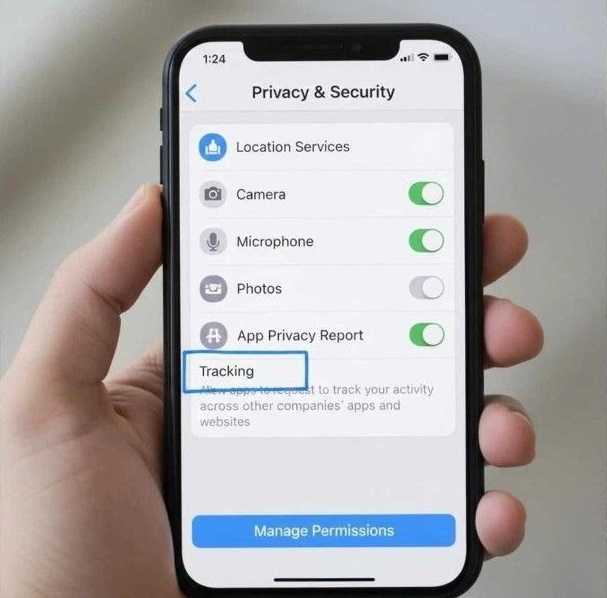
- Go to Settings > Privacy & Security (iOS) or Privacy (Android) and review app permissions. Turn off microphone/camera access for anything that doesn’t need it.
- Disable personalized ads: On iPhone, turn off “Allow Apps to Request to Track.” On Android, opt out of ad personalization.
- Use a VPN when on public Wi-Fi—keeps your ISP from seeing everything.
- Delete old apps you don’t use. They’re often the leakiest.
- Consider privacy-focused alternatives like DuckDuckGo for search or Signal for messaging.
For more details on locking down your iPhone specifically, check out this guide on managing app permissions (internal link to a related article on iOS privacy settings).
And yeah, enable two-factor authentication everywhere. Basic, but it stops a lot of breaches.
The Bigger Picture: Is Regulation Catching Up?
Congress has been talking about national privacy laws forever. In 2026, we finally have the American Data Privacy and Protection Act making its way through—fingers crossed it passes without getting gutted.
Europe’s GDPR set the bar years ago. Americans deserve similar controls: easy data deletion, opt-in consent, real penalties for companies that screw up.
Until then, it’s on us to stay vigilant.
Wrapping It Up
Look, AI on our phones makes life easier in a hundred small ways—I’m not giving up my smart assistant anytime soon. But the trade-off is real. Companies know more about us than ever, and that power can be misused.
The good news? Awareness is growing. More people are paying attention to AI phone data privacy, demanding better options, and actually using the tools available.
Stay skeptical, check your settings regularly, and don’t just blindly accept every permission. Your data is yours—act like it.
Key Takeaways
- AI features rely on massive amounts of personal data, often collected quietly in the background.
- Major companies have improved transparency, but third-party apps and data brokers remain big risks.
- Simple settings changes can drastically reduce what your phone shares.
- Real people have faced real consequences from oversharing data.
- Stronger U.S. privacy laws are needed and hopefully coming soon.
FAQ
Q: Is my phone actually listening to my conversations?
A: Not constantly recording (usually), but wake-word detection means the mic is always sampling audio. Accidental triggers happen, and some apps do request always-on access.
Q: Which is more private—iPhone or Android?
A: Generally iPhone edges out because more processing stays on-device and tracking controls are stricter. But it depends on the manufacturer—Pixel phones with stock Android are pretty good too.
Q: Can I stop all data sharing?
A: Not completely if you want a functional smartphone. But you can cut it way down and stay off the worst offenders.
Q: Are voice assistants safe to use at home?
A: Mostly, if you trust the company. Just be mindful what you say around them—kids have accidentally ordered stuff, and sensitive talks could get stored.
Q: What about kids’ phones?
A: Extra careful. Use parental controls, limit app downloads, and teach them early about permissions. Their data gets collected too, and it sticks around.
Q: Will privacy get better or worse in the next few years?
A: Mixed bag. AI will get more invasive, but pushback from consumers and regulators should force improvements. We’ll see.