
I’ve been messing around with tech since the dial-up days, and honestly, nothing has blown my mind quite like what Google AI is doing right now. It’s not just another update or a flashy new phone — it’s quietly changing how we work, create, drive, and even think. And the crazy part? Most people still think “Google AI” just means better search results. Nah. It’s way bigger than that.
The Big Shift Nobody Saw Coming
Remember when Siri first came out and we all lost our minds because she could set a timer? Cute. Today Google’s Gemini models can write entire legal briefs, debug code faster than most senior developers, and even help diagnose rare diseases alongside doctors. We went from “Hey Google, play Despacito” to actual life-changing tools in like five years.
I was at a buddy’s startup in Austin last month and watched their tiny team ship an app in two weeks that would’ve taken six months a year ago — almost all of it powered by Google AI tools. That’s not hype. That’s happening in garages and Fortune 500s alike.
From Search Engine to Brain Extension
Google didn’t just slap AI on top of search and call it a day. They rebuilt the whole thing. The new AI Overviews (you know, those summaries at the top of results now) pull from Gemini 1.5 Pro and actually understand context like a human. Type in “best budget beach vacation for a family with a toddler and a dog who hates flying,” and it doesn’t just spit out TripAdvisor links — it gives you real options with pros, cons, and current prices.
And yeah, it still screws up sometimes. I asked it about a local barbecue joint that closed in 2022 and it swore it was open. But the fact that it’s wrong 5% of the time instead of 80% like the old days? That’s wild progress.
Everyday Life Looks Totally Different Now
Let’s talk about the stuff regular people actually use.
- Gmail’s “Help me write” feature saved my butt when I had to fire someone over email (never fun). It turned my angry rambling into something professional but still human.
- Google Photos can now find “that picture of mom on the beach with the red hat from 2018” even if you never tagged it. Magic.
- Maps predicts traffic so well now that I’ve started leaving the house five minutes later and still get there on time.
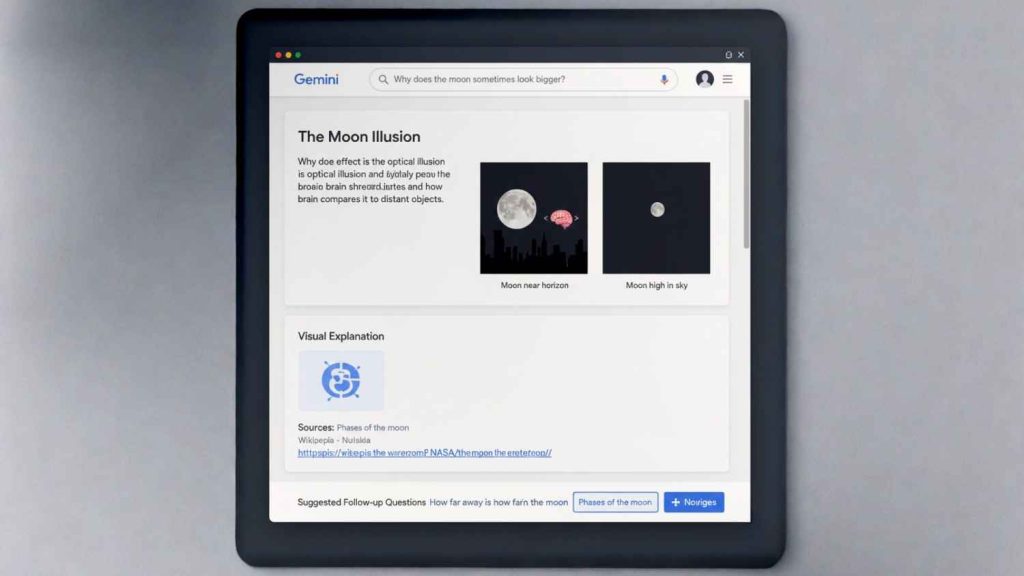
My favorite, though? Bard (well, Gemini now) is helping my 9-year-old nephew with his science homework. The kid asked, “Why does the moon look bigger sometimes?” and got a perfect explanation with diagrams. Beat the hell out of me trying to remember 4th-grade science.
The Creator Economy Just Exploded
Musicians are using Google’s MusicLM to generate backing tracks. YouTubers are using Veo to make cinematic videos from text prompts. My friend Sarah went from 2K to 120K subscribers in six months because she started using Google AI tools to make thumbnails, scripts, and even edit raw footage. She’s not special — thousands are doing the same thing right now.
The Stuff That Actually Matters (Healthcare, Climate, Science)
Look, cute cat videos made with AI are fun, but Google DeepMind’s AlphaFold basically solved protein folding — a 50-year biology problem — and just dropped AlphaFold 3 this year that’s even crazier. Scientists say it’s cutting drug discovery time from years to months.
They’re also using AI to optimize wind farm layouts (getting like 20% more energy from the same turbines) and helping predict floods days earlier than before. This isn’t sci-fi. It’s happening while you’re reading this on your phone.
Yeah, There’s Some Scary Stuff Too
I’d be lying if I said it’s all sunshine. Deepfakes are getting insane — I saw one of my old college professor giving a commencement speech he never gave, and 90% of people couldn’t tell it was fake. Google’s fighting back with SynthID watermarking, but it’s an arms race.
Jobs are changing too. My cousin lost his copywriting gig to agencies using Gemini, but then he pivoted to “AI prompt engineer” and makes double now. The transition sucks for some people, no question.
Where This Is All Going (My Take)
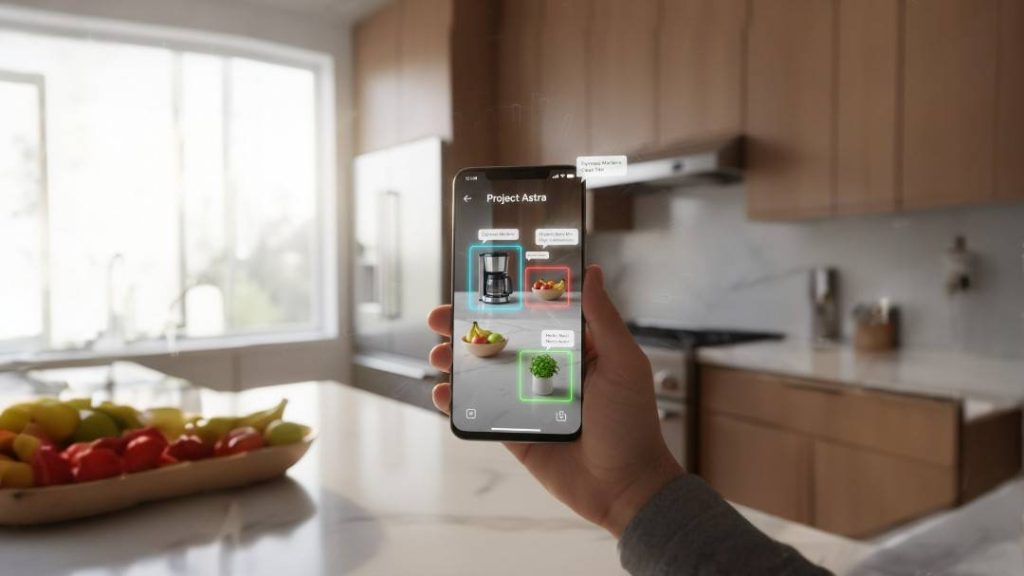
We’re probably two years away from agents that can handle your entire inbox, book trips, negotiate bills, and basically act like an executive assistant that never sleeps. Google’s already testing Project Astra — this universal AI assistant that can see through your phone camera and understand everything happening in real time. Show it your broken dishwasher and it’ll diagnose the problem, find the part, and schedule a repair. Actually wild.
Key Takeaways
- Google AI isn’t just “smart search” — it’s in healthcare, creative tools, self-driving cars, and climate solutions
- Tools like Gemini, Veo, and MusicFX are already available to normal people (many are free)
- Yes, jobs are changing, but new ones are appearing even faster
- The tech still makes mistakes — treat it like a super-smart intern, not a god
- We need better rules around deepfakes and copyright yesterday
FAQ
Q: Is Google AI actually better than ChatGPT now?
A: Depends on what you’re doing. For research and up-to-date info, Gemini crushes it because it can search the live web. For creative writing, some people still prefer Claude or GPT-4o. I bounce between all three like a lunatic.
Q: Do I need to pay for Google AI stuff?
A: Basic Gemini is free. Gemini Advanced (the really good version) is $20/month with Google One AI Premium. Most of the creative tools have free tiers with limits.
Q: Is my data safe?
A: Google says they don’t use your personal chats for training anymore (that changed after the backlash), but it’s still Google. If you’re paranoid, don’t put super private stuff in there.
Q: Will AI take my job?
A: Probably change it more than take it. Every job I’ve had in the last 20 years doesn’t exist in the same form anymore — that’s just tech. Adapt or get left behind.
Q: What’s the coolest Google AI thing right now?
A: Honestly? Project Astra demos. Being able to point your phone at anything and have it understand context in real time feels like living in the future.
Q: Should I be worried?
A: Yes and no. The capabilities are moving faster than society’s ability to handle them. But Google’s actually being pretty responsible compared to some others (looking at you, open-source wild west). Stay informed, vote for people who understand this stuff, and we’ll probably be okay.