
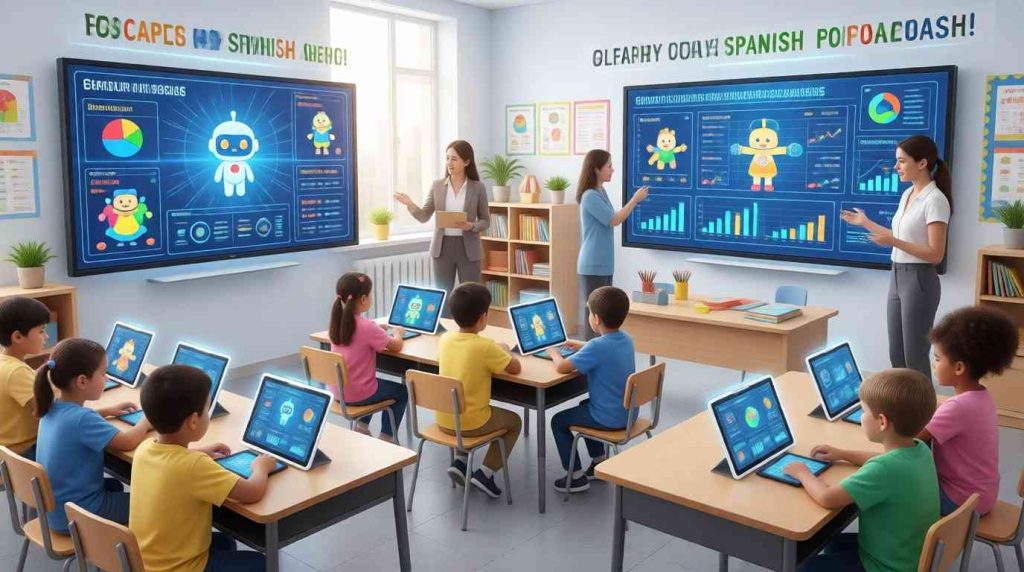
Remember those days when learning a new language as a kid meant flipping through flashcards or repeating after a teacher in a stuffy classroom? Yeah, that was me in elementary school, stumbling over basic Spanish words like “hola” and “adiós.” But fast-forward to today, and things are shifting big time with AI tools in early language education. These tech helpers aren’t just gadgets; they’re reshaping how we introduce Spanish to preschoolers in 4K programs. Imagine four-year-olds giggling over interactive apps that adjust to their pace, making learning feel like playtime instead of a chore. It’s exciting to think about, especially as more schools in the U.S. experiment with bilingual setups.
I’ve seen this firsthand volunteering at a local daycare in Texas, where kids from diverse backgrounds pick up Spanish bits through songs and games. But traditional methods can fall short—some kids zoom ahead while others lag, and teachers juggle too much. That’s where AI tools in early language education come in, promising to make things more tailored and engaging. Over the next few years, we might see these tools turning preschool classrooms into vibrant hubs of personalized language fun.
Table of Contents
What’s the Buzz About AI Tools in Early Language Education?
Let’s kick this off by unpacking what all the hype is about. AI tools in early language education are basically smart software that uses artificial intelligence to help kids learn languages like Spanish from a young age. Think apps, chatbots, or virtual tutors that listen, respond, and adapt in real time.
Why Early Spanish Matters for Little Kids
Starting Spanish early isn’t just cute—it’s backed by solid reasons. Kids’ brains are like sponges at that age, soaking up sounds and words effortlessly. Studies show that bilingual kids often do better in problem-solving and even empathy. In the U.S., with growing Hispanic communities, early Spanish can bridge cultural gaps too. But how do we make it stick without overwhelming tiny tots?
The Old-School Way vs. What’s Coming
Back in the day, it was all about rote memorization: repeat after me, fill in the blanks. Effective? Sure, for some. But AI tools in early language education flip the script by adding interactivity. Instead of one lesson for the whole class, AI can spot if a kid struggles with pronunciation and offer extra practice. It’s like having a patient tutor in your pocket.
Big Challenges in Teaching Spanish to Preschoolers
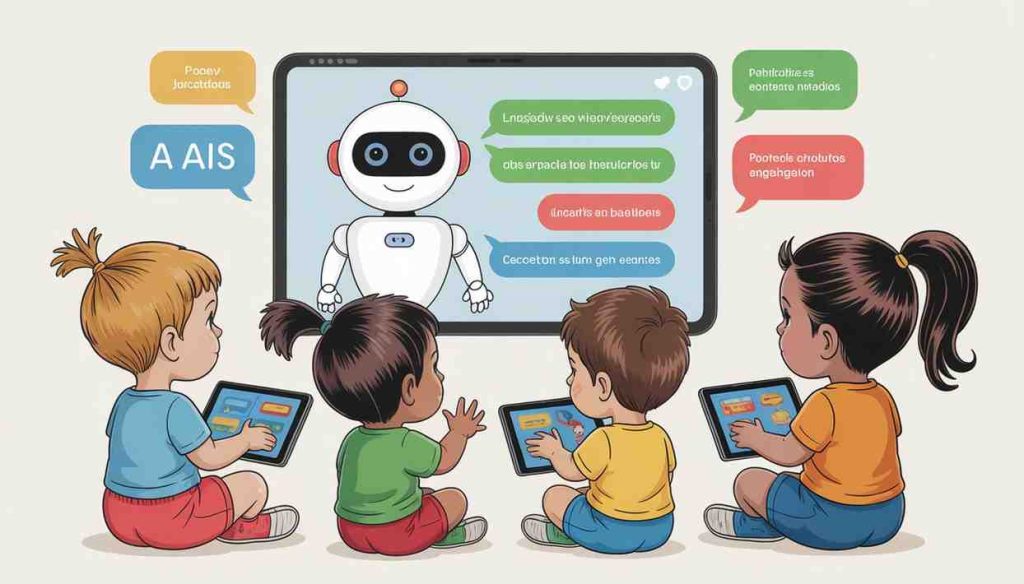
Teaching Spanish to four-year-olds isn’t a walk in the park. These little ones have short attention spans, and let’s face it, not every kid learns the same way.
Keeping Kids Engaged Isn’t Easy
Picture a room full of wiggly preschoolers—how do you hold their interest? Traditional books and worksheets often lead to yawns or tantrums. Without fun elements, kids tune out fast, and that’s a missed opportunity for building language skills early.
One-Size-Fits-All Just Doesn’t Cut It
Every child is unique. Some pick up vocabulary like pros, while others need more time with basics. In crowded classrooms, teachers can’t always customize, leaving some behind. This is where gaps start forming, and by kindergarten, it’s harder to catch up.
For more on handling diverse learning styles, check out our guide on effective preschool activities.
How AI Tools in Early Language Education Are Stepping Up
Okay, so AI isn’t magic, but it’s pretty close when it comes to fixing these issues. These tools use machine learning to analyze how kids interact and adjust accordingly. It’s not about replacing teachers; it’s about giving them superpowers.
Personalized Lessons That Feel Just Right
One of the coolest things? AI can tailor content. If a kid nails colors but trips on numbers, the tool shifts focus. Take a scenario from a Miami preschool I heard about: AI apps adjusted difficulty on the fly, boosting confidence and retention. No more frustration—just steady progress.
Fun Games and Interactive Stuff
Who says learning can’t be a game? AI tools in early language education often include gamified elements like virtual rewards or animated characters. Kids practice Spanish through stories or songs, and it feels like play. “It’s transformed our sessions,” says a teacher I chatted with online. Bold move? Absolutely, and it works.
Tracking Progress Without the Hassle
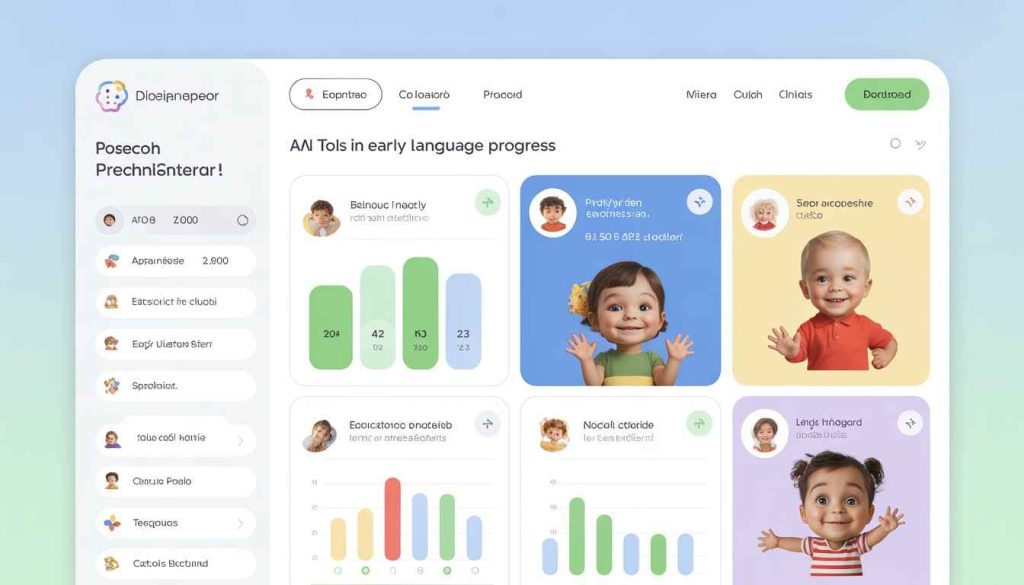
Teachers get real-time data too—no more guessing. AI dashboards show what’s working, helping tweak lesson plans. It’s efficient and lets educators focus on the human touch, like group activities.
Top 5 AI Tools Making Waves in Preschool Spanish
Let’s get practical. Here are five standout AI tools in early language education that could change the game for teaching Spanish to preschoolers. I’ve pulled these from recent reviews and my own digs into edtech trends—they’re user-friendly and effective.
| Tool Name | Key Features | Best For | Price Range |
|---|---|---|---|
| Duolingo ABC | Interactive stories, voice recognition for pronunciation | Beginners in 4K | Free with ads |
| Rosetta Stone Kids | Adaptive lessons, immersive audio | Building vocabulary | $10/month |
| Lingokids | Games and songs with AI feedback | Fun engagement | Free basic, $5 premium |
| Babbel for Children | Personalized paths, cultural tidbits | Cultural immersion | $12/month |
| ABCmouse Spanish Module | Integrated with early learning curriculum | School integration | $10/month |
These aren’t just apps; they’re evolving with AI to make Spanish accessible. For instance, Duolingo’s owl character now uses AI to chat back in simple Spanish, making kids feel heard.
Duolingo for Kids: A Playful Start
Duolingo’s kid version stands out for its bite-sized lessons. It uses AI to detect accents and suggest fixes gently. Parents love how it sneaks in learning during screen time.
Rosetta Stone’s AI Twist
This classic got an AI upgrade, focusing on natural conversations. It’s great for preschoolers starting Spanish, with visuals that match words to images seamlessly.
Other Cool Ones Worth Checking
Don’t sleep on Lingokids—it’s all about play, with AI adapting to energy levels. Or Babbel, which weaves in cultural stories to make Spanish relatable.
If you’re into more edtech options, see our post on best apps for bilingual kids.
What Might the Next Few Years Look Like?
Peeking ahead, AI tools in early language education could make preschool Spanish a staple in U.S. schools. With tech advancing, we might see virtual reality field trips to Spanish-speaking countries or AI buddies that converse like real friends.
Blending AI with Real Teachers
The sweet spot? Hybrid setups. Teachers guide, AI handles drills. It could free up time for creative activities, like role-playing market scenes in Spanish.
Potential Hiccups to Watch For
Not everything’s rosy. Privacy concerns with kid data are real, and not all families have device access. Plus, over-reliance on screens might skip social skills. Schools need to balance it out thoughtfully.
As we wrap this up, it’s clear that AI tools in early language education hold tons of promise for revamping how we teach Spanish to the littlest learners. From personalization to pure fun, these innovations could make bilingualism more achievable for U.S. preschoolers. It’s not about ditching the basics but enhancing them in ways that fit modern kids. Who knows, your four-year-old might be chatting fluently in Spanish sooner than you think. Worth keeping an eye on as tech evolves.
Key Takeaways
- AI tools in early language education personalize learning, making Spanish accessible for preschoolers.
- Challenges like engagement and customization get tackled head-on with interactive AI features.
- Tools like Duolingo and Rosetta Stone are leading the charge with adaptive, fun lessons.
- Future blends of AI and human teaching could transform 4K classrooms.
- Watch for issues like data privacy to ensure safe implementation.
FAQ
What are some top AI tools in early language education for teaching Spanish? Tools like Duolingo ABC and Lingokids use AI to make lessons interactive and tailored, helping preschoolers pick up Spanish through games and stories.
How do AI tools in early language education help with personalization? They adjust to each kid’s pace—if a child struggles with words, the AI offers extra practice, making learning feel custom-made without extra teacher effort.
Are AI tools in early language education safe for young kids? Mostly yes, but check for privacy features. Reputable ones comply with U.S. kid protection laws, though parents should monitor screen time.
Can AI tools in early language education replace teachers in preschool Spanish classes? Nah, they’re supplements. AI handles repetition, but teachers bring the warmth and group dynamics that build real social language skills.
What’s the cost of using AI tools in early language education? Many start free, like Duolingo, but premium features run $5–12 a month. It’s affordable for most families or schools dipping into bilingual programs.
How quickly might we see changes from AI tools in early language education? Over the next 2–3 years, expect more integration in U.S. preschools, especially as tech gets cheaper and easier to use.