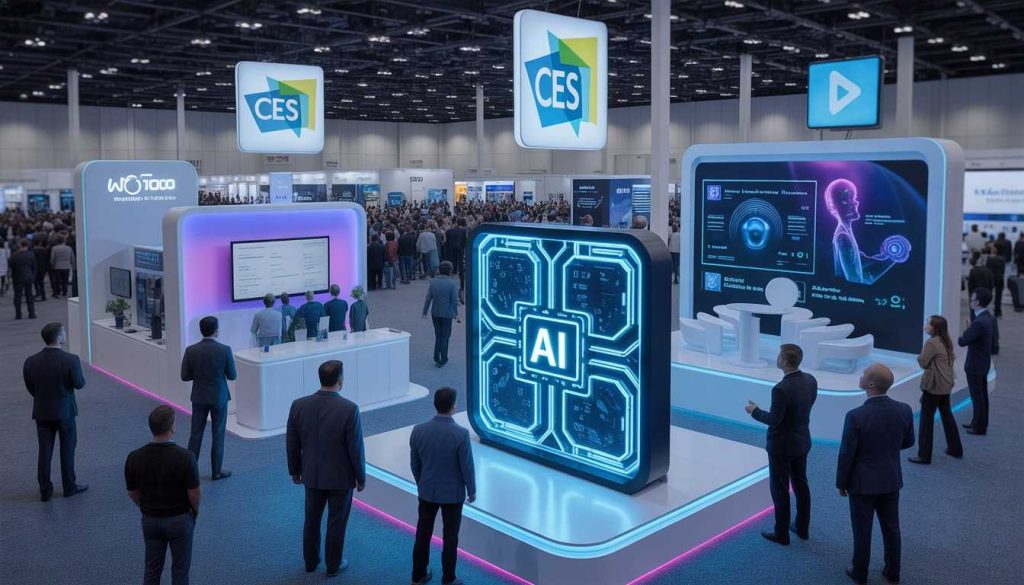
CES 2026 kicked off in Las Vegas this week, and man, if you thought last year was wild with all the AI hype, this year’s show is on another level. We’re talking about AI advances at CES 2026 that aren’t just buzzwords—they’re real tech that’s starting to weave into everyday stuff like your fridge, your car, or even that robot vacuum that’s been collecting dust in your closet. I’ve been keeping tabs on these shows for a while now, and it feels like we’re finally seeing AI move from “cool demo” to “hey, this could actually make my life easier.” From powerhouse chips that crank out insane performance to robots that think and act more like us, here’s a rundown of the most significant AI advances at CES 2026. We’ll break it down into the big players and what they’re bringing to the table, with some real-world examples thrown in because, let’s face it, who wants dry specs without seeing how it fits into life?
Table of Contents
Chip Giants Push AI Boundaries
The heart of all these AI advances at CES 2026? Chips. Yeah, those tiny silicon brains are powering everything from your laptop to massive data centers. NVIDIA and AMD stole the spotlight here, unveiling stuff that makes last-gen tech look like a flip phone. It’s exciting because these aren’t just faster—they’re smarter, more efficient, and geared toward making AI accessible everywhere, not just in some tech lab.
NVIDIA’s Rubin Platform and Open Models
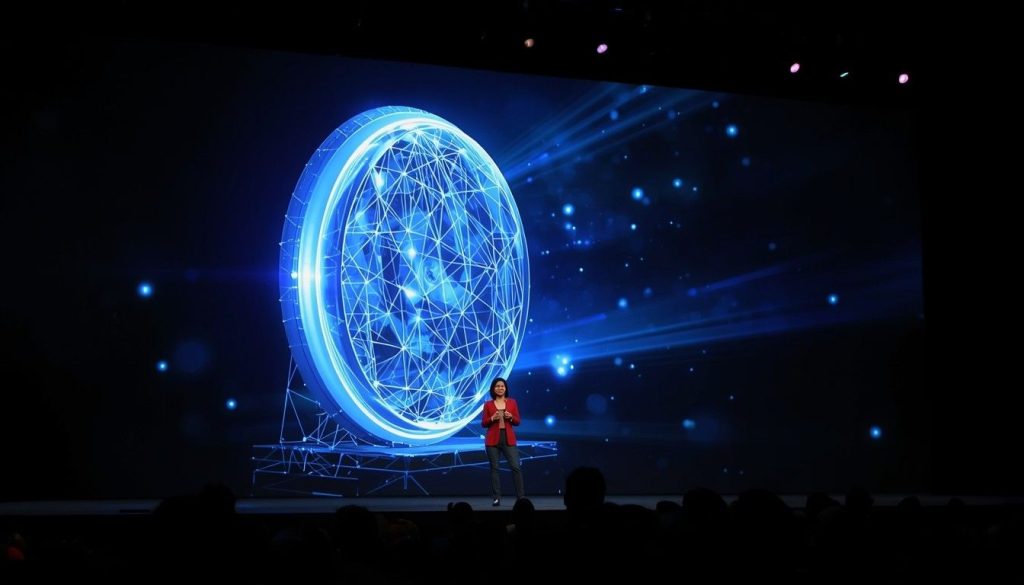
NVIDIA’s Jensen Huang took the stage and basically dropped a blueprint for the future. Their Rubin platform is now in full production, packing six specialized chips that work together like a well-oiled machine. We’re talking Rubin GPUs hitting 50 petaflops for inference, Vera CPUs handling agentic tasks, and NVLink 6 for super-fast connections. The big win? It cuts token generation costs by a whopping 90% compared to older setups, meaning AI factories can churn out models faster and cheaper. Huang put it bluntly: “The faster you train AI models, the faster you can get the next frontier out to the world.”
But it’s not just hardware—NVIDIA’s open models like Cosmos for robotics and Alpamayo for driving (more on that later) are game-changers. They’re trained on massive datasets and available for anyone to tweak, fostering this global ecosystem. Imagine training a robot in a virtual sim before it hits the real world; that’s Isaac Lab in action. Partnerships with folks like Siemens are turning factories into “giant robots,” as Huang called them. If you’ve ever dealt with clunky manufacturing, this could slash downtime and boost efficiency big time.
For gamers, DLSS 4.5 ups the ante with dynamic frame generation, making 4K gaming smoother than ever. Over 250 titles support it now, including new ones like Phantom Blade Zero. It’s the kind of stuff that makes you rethink upgrading your rig.
AMD’s New Ryzen AI and Instinct Series
Not to be outdone, AMD’s Lisa Su shared their “AI Everywhere” vision, and it delivered. The Ryzen AI 400 Series for laptops packs 60 TOPS of NPU power, shipping this month—perfect for on-device AI without draining your battery. They also teased the Instinct MI500 GPUs for 2027, promising up to 1,000x better performance than current models. That’s yotta-scale computing, folks, for training massive AI without breaking the bank.
Their Helios platform bundles MI455X GPUs with EPYC CPUs for 3 exaflops of AI muscle. Partnerships with OpenAI and AstraZeneca show how this tech is hitting real fields like drug discovery. Su highlighted embedding AI in education, too, with a $150 million commitment. If you’re a developer or just someone tinkering with AI at home, the Ryzen AI Halo platform coming in Q2 could be your new best friend for compact projects.
Check out this keynote clip for more: video. It’s worth watching if you’re into the nitty-gritty.
AI in the Home: Companions and Robots
Okay, shifting gears to the stuff that’ll hit your living room first. AI advances at CES 2026 are all about making homes smarter, but in a way that feels helpful, not creepy. Samsung and LG led the charge with companions that anticipate your needs, turning chores into afterthoughts.
Samsung’s Vision for AI Companions
Samsung’s “The First Look” event was a feast for the eyes, unveiling AI that acts like a personal sidekick. Their Bespoke AI Laundry Combo? It washes, dries, and even suggests cycles based on your habits—no more guessing. The Galaxy Z TriFold phone unfolds into a hub controlling everything from your fridge to health wearables. Galaxy Health uses AI to tweak your sleep setup or coach workouts, pulling data from sensors around the house.
They even showed off a Pet Care system that spots if your dog’s acting up and alerts you. It’s practical; think about those busy days when you forget to check the fridge—AI handles inventory and recipes. The Micro RGB 130” TV won awards for its voice-activated smarts, like predicting game outcomes or queuing up tunes. If you’re upgrading your setup, check out last year’s smart home trends for context.
LG’s Affectionate Intelligence
LG flipped the script with “Affectionate Intelligence,” focusing on AI that cares about your emotional side. Their Zero Labor Home vision has devices like the CLOiD robot coordinating with appliances to handle tasks seamlessly. Picture this: AI notices you’re stressed from work patterns and dims lights, plays chill music, or even preps a warm bath. ThinQ platform connects it all, learning your routines without you micromanaging.
It’s not just gimmicks; in a demo, AI anticipated meal prep based on schedules. For families, this could mean less arguing over chores. LG is extending this to cars and offices too, creating an ecosystem that’s intuitive. I’ve seen similar tech fizzle before, but LG’s human-centered approach feels like it could stick.
Autonomy and Robotics Take Center Stage
Robots and self-driving tech? Huge at CES 2026. These AI advances are bridging the gap between sci-fi and reality, with safety and reasoning at the forefront.
NVIDIA’s Alpamayo for Autonomous Driving
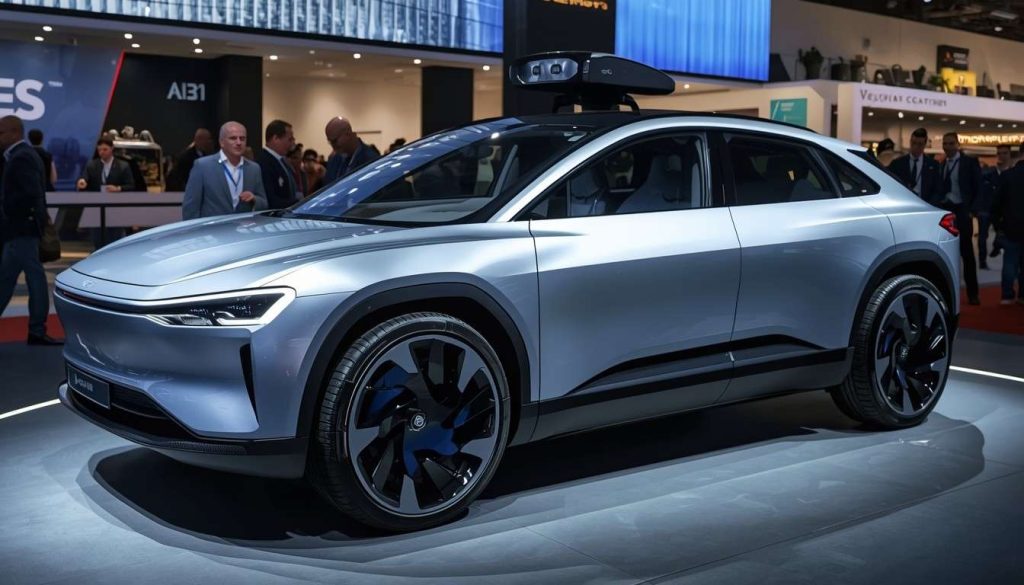
NVIDIA’s Alpamayo models are open-source wonders for level-4 autonomy. The 10B-parameter Alpamayo-1 reasons like a human driver in tricky spots—sensor data in, smart decisions out. It’s debuting in the Mercedes CLA this year, which just nailed a five-star safety rating. Huang said, “It reasons about what action it is about to take,” which could mean fewer accidents on highways.
AlpaSim lets devs test in virtual worlds, cutting real-world risks. If you’ve ever worried about self-driving cars, this open approach invites scrutiny and improvements from the community.
Boston Dynamics and Google DeepMind Partnership
Announced at Hyundai’s booth, this collab merges Boston Dynamics’ robots like Atlas with DeepMind’s AI smarts. Expect humanoids that learn faster, handle complex tasks in factories or homes. Hyundai’s pushing their robotics strategy, integrating AI across products. It’s a big step for “embodied intelligence,” where robots don’t just follow scripts—they adapt. Think warehouse bots that improvise around obstacles; game-changer for logistics.
Other Notable AI Advances at CES 2026
Beyond the headliners, there were gems in health and industry that show AI’s broad reach.
Health and Personal Care Innovations
The Longevity Mirror scans your face in 30 seconds to predict health risks 20 years out—wild, right? Samsung’s AI Beauty Mirror offers personalized tips, while earbuds and wearables pack biometric AI for real-time monitoring. It’s like having a doctor in your pocket, but remember, it’s not a substitute for pros.
Industrial AI and Edge Applications
Caterpillar showcased AI for worksites, turning equipment autonomous to boost safety. SwitchBot’s Onero H1 robot handles chores like laundry, showing household AI’s maturing. Edge chips from Etron power on-device AI for drones and AR, keeping data local for privacy.
For more on industrial shifts, see our deep dive on AI in manufacturing.
| Company | Key AI Advance | Impact |
|---|---|---|
| NVIDIA | Rubin Platform | 5x inference speed, 10x cost reduction |
| AMD | Ryzen AI 400 | 60 TOPS for everyday AI PCs |
| Samsung | Bespoke AI Appliances | Zero-effort home management |
| LG | CLOiD Robot | Emotional, adaptive home help |
| Boston Dynamics | DeepMind Integration | Smarter, learning humanoids |
Wrapping Up the AI Buzz
Whew, CES 2026 wrapped up with AI feeling less like a trend and more like the new normal. From chips that supercharge innovation to robots that lend a hand, these developments hint at a world where tech anticipates us, freeing up time for what matters. Sure, there are kinks to iron out—like privacy concerns or energy use—but the momentum is undeniable. Keep an eye on rollouts this year; it might just change how you game, drive, or even unwind at home. Exciting times ahead.
Key Takeaways
- NVIDIA’s Rubin slashes AI costs, making advanced models more accessible.
- AMD pushes AI into PCs and edges with powerful, efficient chips.
- Home AI from Samsung and LG focuses on companions that learn and adapt.
- Autonomous driving gets a reasoning boost with open models like Alpamayo.
- Robotics partnerships signal faster adoption in homes and industries.
- Health tech like mirrors and wearables bring predictive AI to personal care.
FAQ
What were the biggest AI advances at CES 2026 in chips? NVIDIA’s Rubin platform and AMD’s Ryzen AI series stood out, offering massive performance leaps for everything from data centers to laptops. These AI advances at CES 2026 make high-end computing cheaper and faster.
How is AI changing home life based on CES 2026? Companies like Samsung and LG showed AI companions that handle chores and personalize experiences. Think fridges that plan meals or robots that adjust your environment—real steps toward zero-labor homes.
What’s new in autonomous driving from AI advances at CES 2026? NVIDIA’s Alpamayo models add reasoning to self-driving, debuting in cars like the Mercedes CLA. It’s about safer, smarter decisions on the road.
Are there any robotics highlights from CES 2026? Yeah, the Boston Dynamics-DeepMind tie-up promises humanoids that learn on the fly, plus bots like SwitchBot’s Onero for household help. AI advances at CES 2026 are pushing robots into everyday use.
How does CES 2026 AI impact health? Innovations like the Longevity Mirror predict long-term risks, while wearables offer real-time coaching. It’s preventive care powered by AI, but always check with a doc.
Will these AI advances at CES 2026 be available soon? Many, like AMD’s chips, ship this month. Others, like advanced GPUs, hit later in 2026 or 2027. Stay tuned for consumer rollouts.